Mermaid Beach Emerges as Gold Coast's Hottest Rental Investment Suburb
Vacancy rates across the Gold Coast have collapsed to just 0.8 per cent, and one mid-strip suburb is drawing serious investor attention for the first time in years.
Vacancy rates across the Gold Coast have collapsed to just 0.8 per cent, and one mid-strip suburb is drawing serious investor attention for the first time in years.
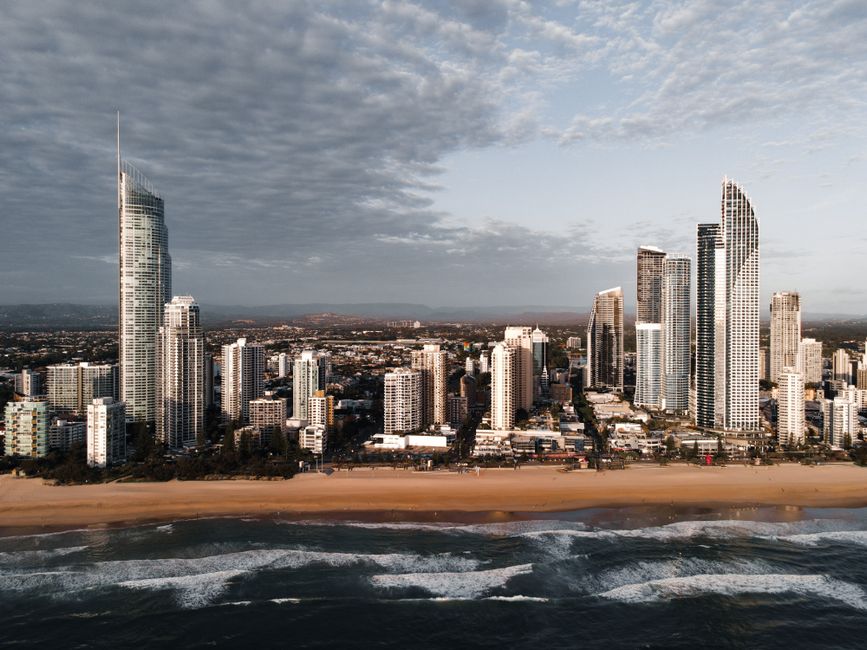
Gold Coast rents have surged to record levels, with the coastal corridor between Broadbeach and Burleigh Heads now commanding median weekly rents above $850 for a three-bedroom house — a 14 per cent jump on the same period last year. At the centre of the frenzy sits Mermaid Beach, a suburb that agents and property analysts are increasingly flagging as the city's most compelling investment proposition of 2026.
The timing matters. Queensland's rental market has been tightening since late 2024, but the first half of this year has delivered conditions that haven't been recorded since the pre-pandemic era — only now in reverse. Back then, vacancy rates were climbing and landlords were nervous. Today, the Real Estate Institute of Queensland puts the Gold Coast vacancy rate at 0.8 per cent, roughly a third of what economists consider a balanced market. For every rental property listed, agents report fielding between 12 and 22 applications within 72 hours of a property going live on platforms like realestate.com.au.
Mermaid Beach sits roughly 2.5 kilometres south of Pacific Fair Shopping Centre and just north of the Nobby Beach café strip on Lavarack Avenue, which has seen foot traffic surge since a cluster of specialty food businesses opened there from mid-2025. The suburb offers something rare on the Gold Coast: walkable amenity, direct beach access, and relative land value that still sits below Burleigh Heads. Median house prices in Mermaid Beach reached $2.1 million in the June 2026 quarter, compared to Burleigh's $2.65 million, according to CoreLogic data — making the yield calculation more attractive for buyers entering now.
The suburb's rental stock is tight by any measure. Of 1,840 private dwellings in Mermaid Beach, fewer than 15 were listed for rent on the Gold Coast at any point during June, according to figures compiled by the Real Estate Institute of Queensland's local chapter. Weekly asking rents for a two-bedroom unit on Hedges Avenue — the suburb's prestige beachfront strip — have broken $1,200 for the first time, up from $970 in July 2024. Even modest 1970s-era brick units one block back from the beach are achieving $680 to $720 per week, yields that were unthinkable three years ago.
Demand is coming from multiple directions at once. Tourism recovery has pushed a cohort of short-stay investors back into the long-term market after platforms like Airbnb introduced new council-mandated registration requirements for Gold Coast short-term rentals in February 2026 under the City of Gold Coast's Short-Term Rental Accommodation Code. Some of those owners — particularly those with properties north of the Mermaid Beach foreshore — have converted to 12-month leases to reduce compliance overhead, paradoxically tightening supply further for long-term tenants.
A standard investor entry point in Mermaid Beach today is a two-bedroom unit in the $850,000 to $1.1 million range. At current rents, gross yields are sitting between 3.4 and 4.1 per cent — modest by regional Queensland standards but unusually strong for a beachside Gold Coast suburb where capital growth has historically been the primary drawcard. Buyers' agents working through firms operating from Broadbeach are reportedly fielding calls from interstate investors, particularly from Sydney's inner west and Melbourne's bayside suburbs, where comparable yields have compressed even further.
The practical read for would-be investors is this: the window is narrow. Properties in Mermaid Beach spent an average of just 18 days on market in the June quarter, compared to 34 days for the Gold Coast overall. Anyone waiting for prices to ease while vacancy rates remain under 1 per cent is likely to be disappointed in the near term. The smarter play, according to the REIQ's local quarterly briefing published in late June, is to prioritise land-rich properties or older unit blocks on streets like Hedges Avenue and Sea World Drive surrounds — assets where underlying land value provides a cushion even if the rental growth cycle eventually turns.
For renters, the outlook is grimmer. With no significant new apartment supply expected to complete in the Mermaid Beach-Nobby Beach corridor before mid-2027, the pressure on households competing for limited stock shows no sign of easing before spring.
Spread the word
About this article
Published by The Daily Gold Coast
Daily brief
Free, in your inbox before 7am. Weekdays.
More from Gold Coast


