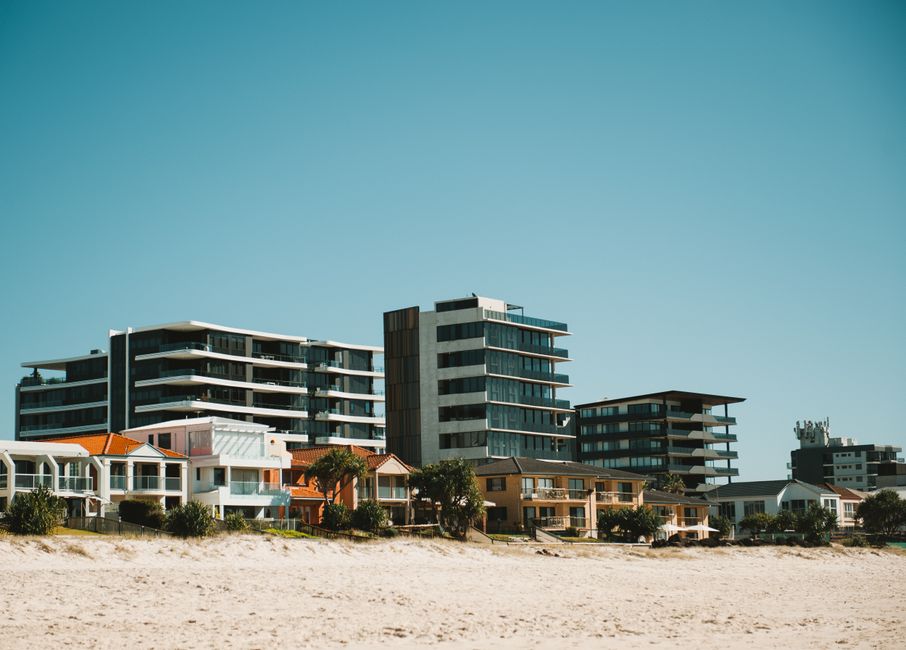
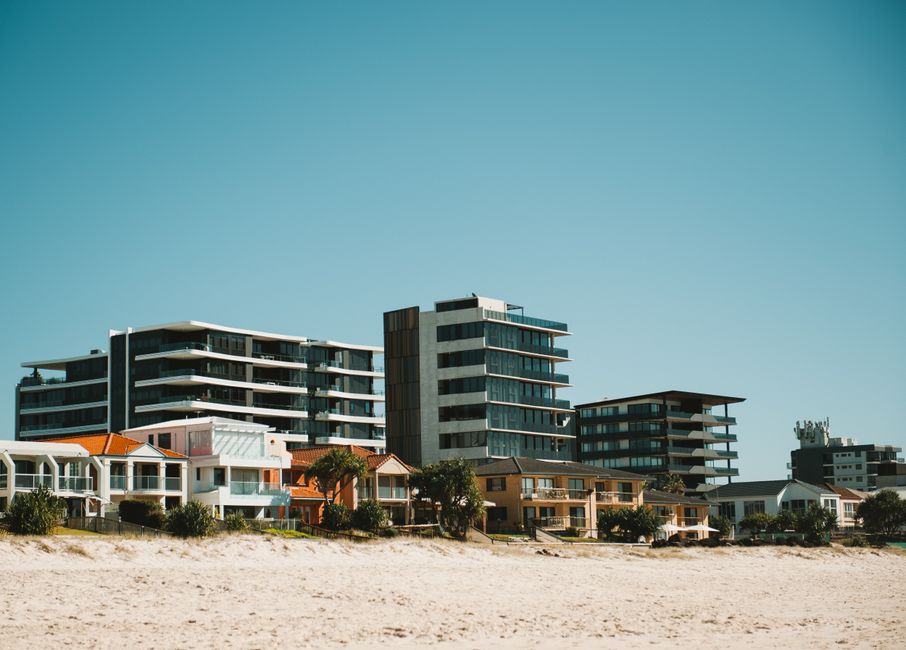
Gold Coast City Council has pushed through a suite of amendments to the City Plan 2016 that will, from August 1, tighten design requirements and recalibrate density allowances across several key precincts — moves that are already forcing developers to rework applications sitting in the pipeline and prompting a fresh wave of pre-lodgement meetings at the council's planning counter on Cavill Avenue.
The timing is not accidental. Queensland's state government has been pressuring councils statewide to fast-track housing supply under the Housing Availability and Affordability Act 2025, but Gold Coast's amendments carve out a notably different position: more density in transit-connected corridors, stricter design controls everywhere else. That tension is what the property industry is now trying to price into land valuations and feasibility models.
What Changes, and Where
The amendments do three concrete things. They lift the allowable building height in the Southport Priority Development Area from the current 30-storey envelope to 45 storeys on sites within 400 metres of the G:link light rail corridor — a change that was flagged in the council's South East Queensland Regional Plan response last October. At the same time, they introduce mandatory 20 percent deep-soil setback requirements for any residential development above four storeys in the Broadbeach and Burleigh Heads low-medium density zones, a provision that will directly reduce the developable floor area on a typical 800-square-metre block. And they impose new facade articulation rules requiring a minimum 1.5-metre visual break every 15 metres of street frontage across the entire high-density zone, which stretches from Main Beach down through Surfers Paradise to Mermaid Beach.
Developers working on sites along Hedges Avenue in Mermaid Beach and Christine Avenue in Varsity Lakes flagged the facade rules as the biggest operational headache. Several schemes that received preliminary approval before June 30 will need to be redesigned before construction certificates can issue, adding cost and time to projects that were already battling elevated construction prices.
The Urban Development Institute of Australia Queensland division submitted a formal objection to the facade provisions in May, arguing the rules would add between $8,000 and $14,000 per apartment in design and construction costs — a figure the council's planning officers disputed in their assessment report, placing the figure closer to $3,500 per dwelling. The gap between those two numbers is now the subject of a post-adoption review, with findings due by December 2026.
What the Numbers Say About Demand
The amendments land in a market where the Queensland median house price sits at roughly $850,000, but Gold Coast's own median has been running hotter. CoreLogic data from the June 2026 quarter put the Gold Coast unit median at $742,000, up 6.2 percent year-on-year, driven partly by downsizer demand from interstate buyers and continued lifestyle migration from Sydney and Melbourne. That Melbourne comparison is instructive: auction clearance rates there have sagged well below 60 percent as seller confidence erodes, while Gold Coast private treaty sales volumes held firm through the June quarter.
Southport, the precinct most directly affected by the height uplift, logged 47 development applications in the 12 months to May 2026 — the highest single-year count since the G:link extension to Helensvale opened in 2017. The council's planning department approved 31 of those, with eight still under assessment. The height increase is expected to make a further dozen sites that were previously marginal suddenly viable, according to feasibility modelling circulated within the industry.
For buyers and investors, the practical consequences will take 18 to 24 months to materialise in the form of new stock hitting the market. Existing apartment owners in Broadbeach and Burleigh Heads may find the new deep-soil and facade rules act as a mild supply brake in those neighbourhoods, which could support prices in the near term. Anyone assessing an off-the-plan purchase in a scheme lodged before August 1 should confirm with the developer's project manager whether a redesign is required and, if so, get a written timeline for when revised plans will be submitted to council.