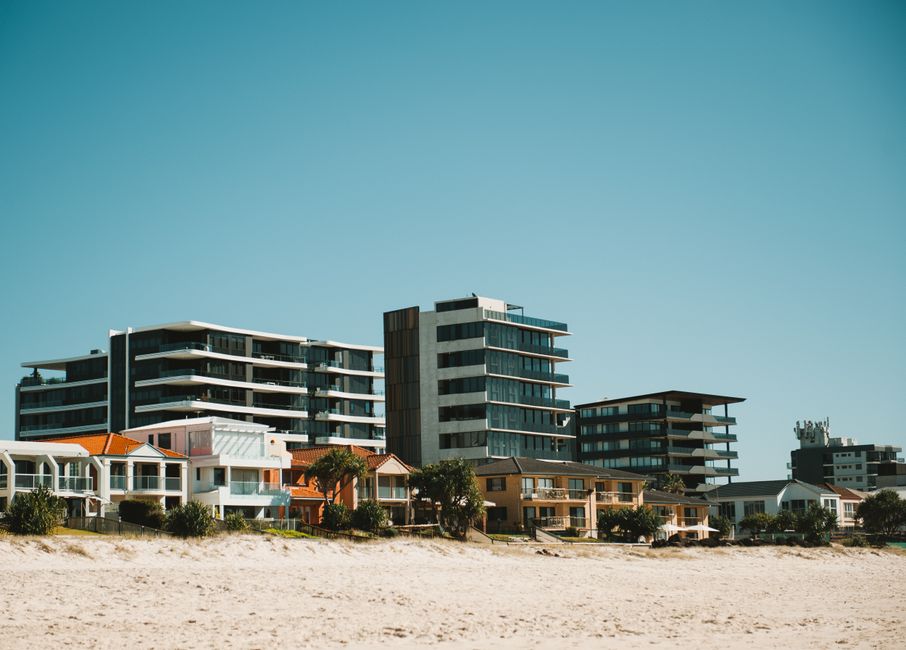
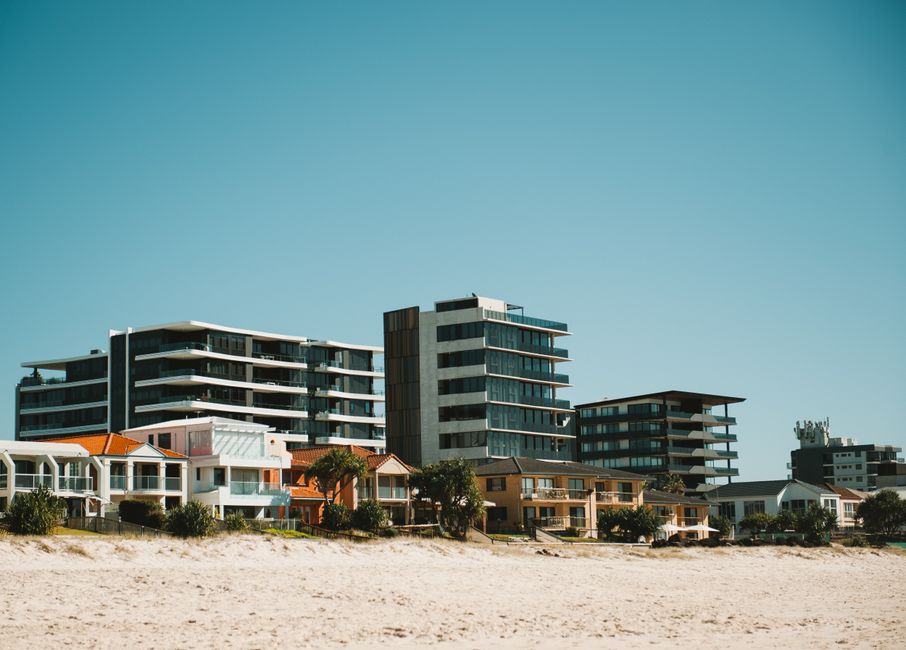
The vacancy rate across Gold Coast's most sought-after suburbs has dropped to approximately 0.6%, according to data tracked through the Real Estate Institute of Queensland's July 2026 figures — a level so tight that property managers in Broadbeach and Burleigh Heads report receiving upwards of 40 applications for a single two-bedroom unit. For renters, it's a scramble. For prospective buyers sitting on the sidelines and renting in the meantime, it's costing them the deposit they're trying to save.
This matters now because the city is absorbing two pressures simultaneously. Queensland's population grew by roughly 110,000 people in the 12 months to March 2026, with the Gold Coast corridor from Southport to Coolangatta taking a disproportionate share of that growth. At the same time, new dwelling completions along the M1 strip have lagged badly behind approvals — construction delays tied to material costs and a chronic labour shortage have pushed back projects by an average of nine to fourteen months. The result: more people chasing fewer front doors.
Where the Pain Is Sharpest
Burleigh Heads is the epicentre. A three-bedroom house within walking distance of Goodwin Terrace — the strip that runs parallel to the beach — was listed in late June 2026 at $950 per week and attracted 52 enquiries inside 48 hours. Property management firms operating out of the James Street commercial precinct in Burleigh confirm that open-home queues are now a weekly sight. Broadbeach is no different. Apartments within five blocks of Kurrawa Park, which two years ago might have sat on the market for three or four weeks, are being leased sight-unseen by interstate applicants willing to offer multiple months' rent upfront.
The Queensland Government's Housing Availability Taskforce, established in late 2024, flagged the Gold Coast as one of four critical pressure zones in the state. Its July 2025 review noted that the city needed approximately 8,400 additional rental properties just to return vacancy rates to the historical equilibrium of 2.5%. That construction hasn't happened. The Cbus Property development at Southport's Sundale site — one of the larger mixed-tenure projects in the pipeline — isn't expected to deliver its 340 units until mid-2027 at the earliest.
What This Means for Would-Be Buyers
The cruelty of the current market is structural. A household paying $800 per week in rent — the rough median for a two-bedroom apartment in Palm Beach or Currumbin — is spending $41,600 annually on accommodation that builds them no equity. The Queensland median house price sits around $850,000, meaning a standard 20% deposit requires $170,000. For a couple earning average wages, that takes years. While they save, rents rise, deposit targets move, and the gap between renting and owning widens rather than closes.
Some first-home buyers are leaning on the federal government's Help to Buy shared equity scheme, which opened a Queensland application round in February 2026 and allows eligible purchasers to enter the market with as little as a 2% deposit. Gold Coast-based mortgage brokers say demand for that scheme has been intense locally, but the income caps — $90,000 for singles, $120,000 for couples — exclude a significant portion of dual-income households in the city's professional class.
For renters unwilling or unable to buy right now, the practical advice from Gold Coast property managers is blunt: get your paperwork ready before you start looking. That means payslips, bank statements, rental ledger, and references assembled and ready to submit digitally within hours of an inspection. Applying mid-week rather than after weekend opens can also improve your odds slightly, since most property managers process applications on Tuesday and Wednesday mornings. In a market this tight, hesitation is the only thing a prospective tenant can't afford.