Latest Developments and What Happened This Week in Gold Coast's Short-Term Rental Regulation
A crucial week for the city's tourism and housing sectors as new rules take shape to manage the impact of short-term rentals on local communities.
A crucial week for the city's tourism and housing sectors as new rules take shape to manage the impact of short-term rentals on local communities.
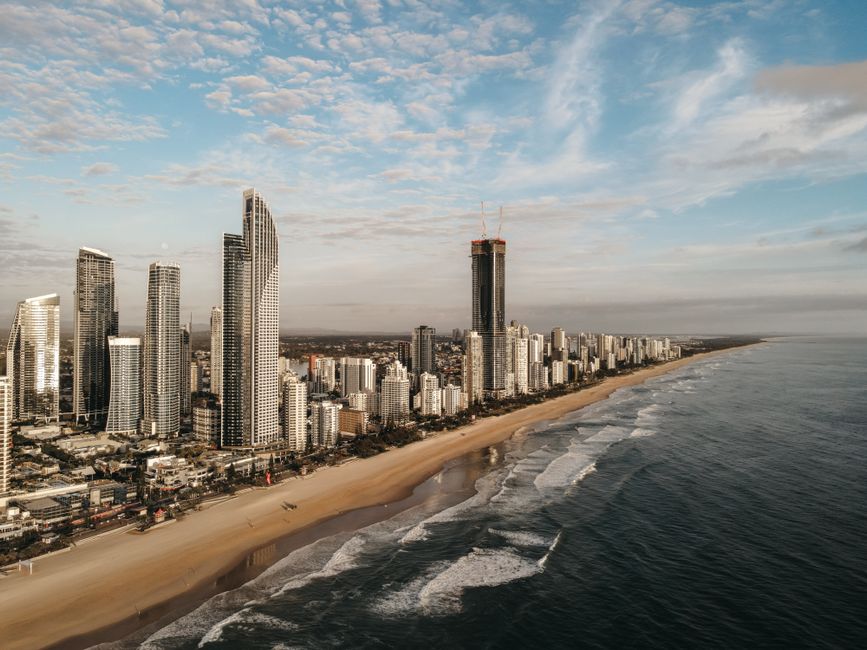
This week, the Gold Coast City Council moved closer to implementing new regulations on short-term rentals, a crucial step in managing the impact of platforms like Airbnb on local communities. The council's planning committee approved a proposal to limit short-term rentals in residential areas, a decision that will affect thousands of properties across the city.
The regulation of short-term rentals has become a pressing issue on the Gold Coast, particularly in popular tourist areas like Surfers Paradise and Main Beach. With the 2032 Olympics looming, the city is expecting a surge in demand for accommodation, and the council is under pressure to balance the needs of tourists and residents. The new regulations aim to prevent the proliferation of 'party houses' and ensure that short-term rentals do not disrupt the character of residential neighborhoods.
In areas like Burleigh Heads and Palm Beach, where short-term rentals are already widespread, the new regulations will have significant implications for property owners and managers. The Gold Coast Tourism Corporation has welcomed the move, saying it will help to maintain the city's reputation as a family-friendly destination. Meanwhile, organizations like the Real Estate Institute of Queensland (REIQ) have expressed concerns about the potential impact on property values and the local economy.
According to data from the council, there are currently over 12,000 short-term rental properties on the Gold Coast, with the majority located in the northern suburbs. The new regulations will require property owners to obtain a license to operate a short-term rental, with fees ranging from $500 to $2,000 per year, depending on the location and type of property. As of July 1, 2026, property owners will have six months to comply with the new regulations, which will be enforced through a combination of monitoring and community reporting.
As the city moves forward with the implementation of these regulations, residents and property owners can expect a period of adjustment. The council has established a dedicated webpage and hotline to provide information and support to those affected by the changes. With the Olympics just six years away, the Gold Coast is under pressure to get its short-term rental regulations right, and this week's developments mark an important step towards achieving that goal.
Spread the word
About this article
Published by The Daily Gold Coast
Daily brief
Free, in your inbox before 7am. Weekdays.
More from Gold Coast
News
News
News