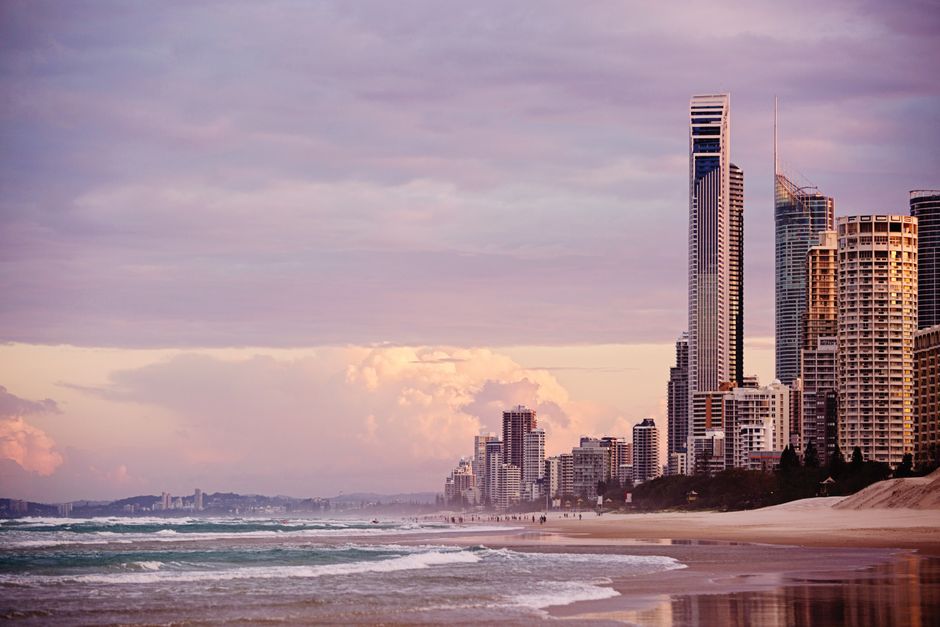
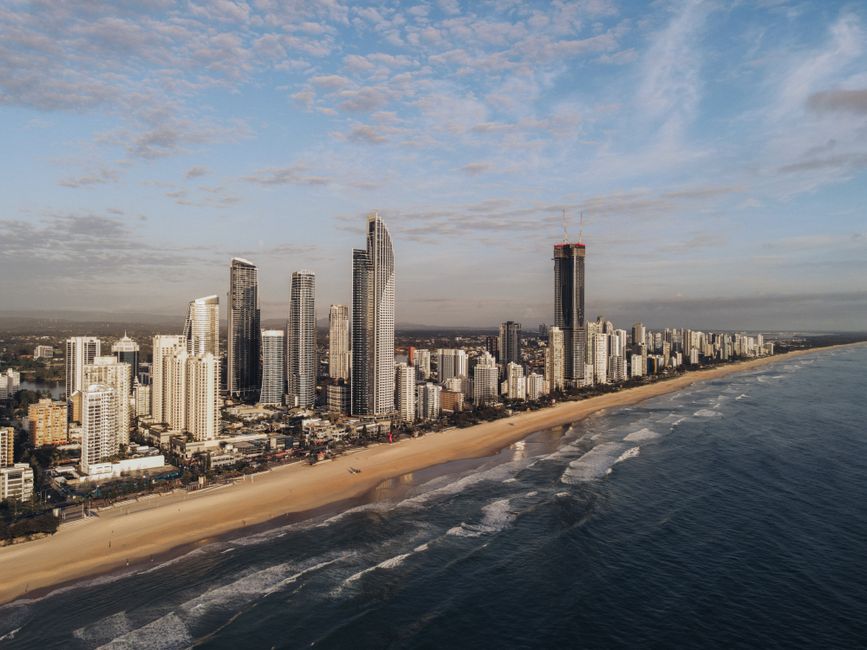
Gold Coast City Council is under mounting pressure to tighten enforcement of duplicate short-term rental listings — properties advertised multiple times across platforms under slightly different names or addresses — after the practice was identified as inflating occupancy statistics and distorting local rental availability data. The issue, which has drawn regulatory responses in at least six countries over the past three years, is now squarely on the agenda for Queensland's 2032 Olympic host city.
The timing matters. With Coomera Arena and Coomera Indoor Sports Centre locked in as Olympic venues, and Robina Stadium pencilled in for football events, the surrounding suburbs are already experiencing a construction and short-term accommodation boom. Property investors have responded accordingly, with platforms carrying multiple active listings for units in Broadbeach, Surfers Paradise and Hope Island — sometimes the same dwelling listed under a host account and a property management company simultaneously.
What Other Cities Have Done
Barcelona moved hardest. The city's Ajuntament announced in November 2023 it would not renew approximately 10,000 short-term tourist apartment licences when they expired in 2028, a decision driven in part by evidence that duplicate and overlapping listings were making enforcement of its existing cap effectively impossible. Amsterdam has required hosts to register with the municipality since 2021 and caps rentals at 30 nights per year in most districts, with digital verification tools cross-referencing listings across Airbnb, Booking.com and local platforms. New York City's Local Law 18, which came into force in September 2023, requires hosts to register and be present during guest stays — a rule that wiped out roughly 15,000 listings within months of its introduction.
Closer to home, Byron Bay's Shire Council introduced a short-term rental register in 2022 under New South Wales planning rules, and the state government mandated a 60-night cap for non-hosted dwellings in certain high-demand areas. Queensland has no equivalent state-wide cap. Gold Coast operates under the Queensland Government's voluntary Code of Conduct for Short-Term Rental Accommodation, introduced in 2023, which relies on platform compliance and neighbour complaints rather than proactive listing audits.
The voluntary model has its critics. A University of Queensland analysis published in the Journal of Housing Economics in 2024 found that voluntary short-term rental codes in Australian jurisdictions without a mandatory register showed materially weaker compliance rates than those with a legislated framework — though the Gold Coast was not singled out by name in that study. Separate data published by property analytics firm Suburbtrends in early 2025 placed Gold Coast among the top three Queensland local government areas for short-term rental density relative to total housing stock.
What Gold Coast Is — and Isn't — Doing
Gold Coast City Council's Planning and Environment Committee discussed short-term rental compliance at its May 2026 meeting, according to the publicly available agenda documents on the council's website. The committee noted the absence of a mandatory registration system as a gap, but no binding resolution was passed at that meeting. The council's current approach centres on responding to complaints lodged through its MyGC app rather than conducting systematic cross-platform audits for duplicate listings.
The distinction matters for the Surfers Paradise Boulevard and Elkhorn Avenue precincts, where high-density apartment towers house hundreds of individually listed short-term rentals. Property managers operating across those buildings have publicly acknowledged — in industry forum discussions, not in statements to this masthead — that cross-listing a unit is standard practice to maximise platform visibility.
What happens next depends heavily on whether Queensland follows New South Wales in legislating a mandatory register before the 2032 Games lift international scrutiny of the city's housing pressures. Councils in host cities for previous Olympics, including Tokyo and Paris, faced sharp criticism over short-term rental market distortion in the lead-up to their Games. The Coomera and Robina venues are scheduled to begin operational readiness testing by late 2030, giving council roughly four years to build a compliance framework that actually has teeth — or explain to a global audience why it chose not to.