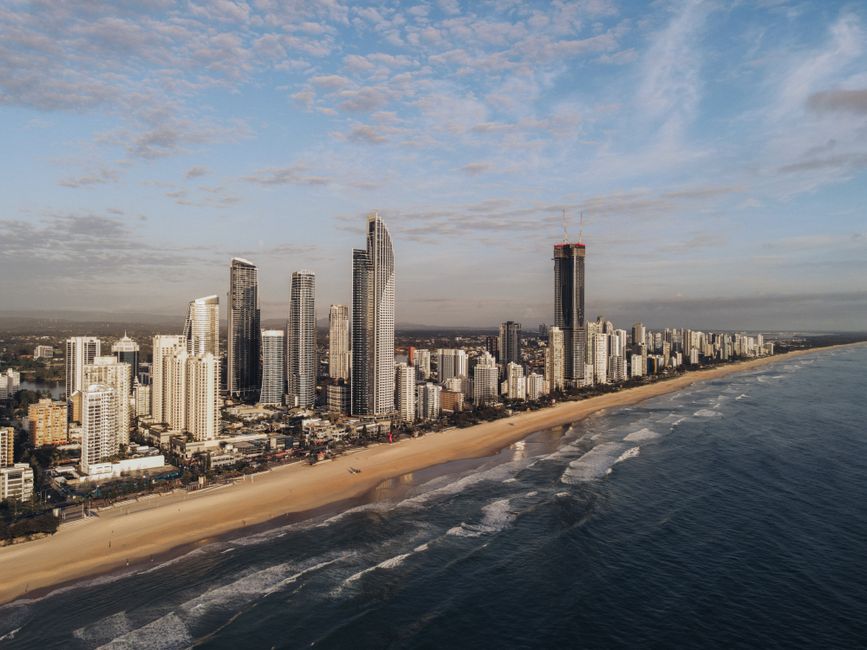
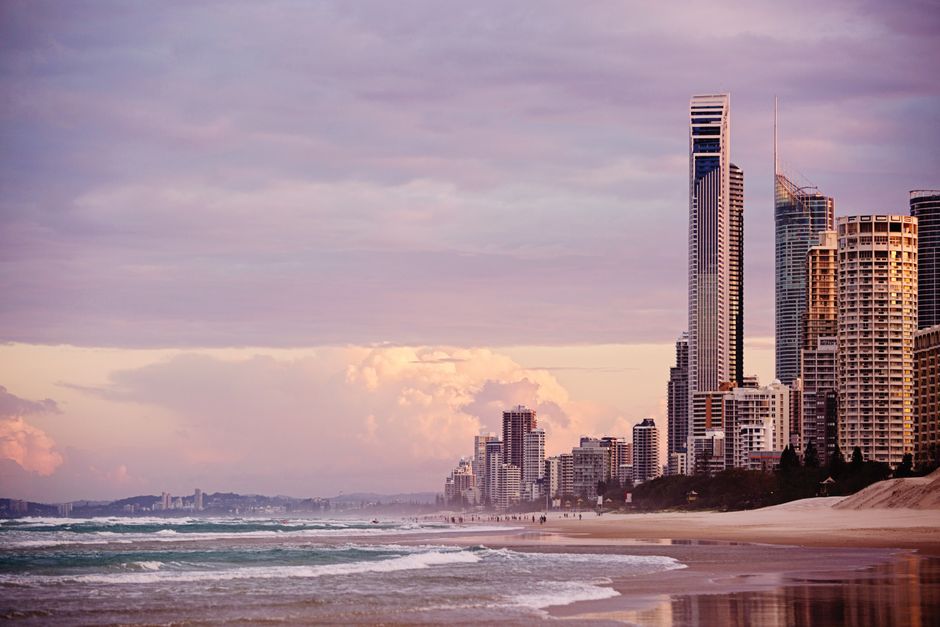
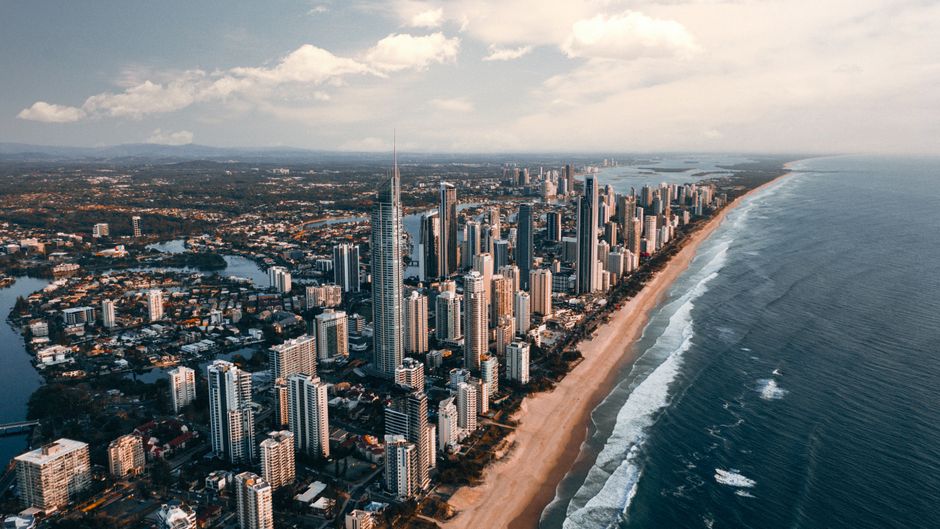
Gold Coast City Council's planning and compliance teams have been quietly building a case file since at least 2023, cataloguing short-term rental listings on platforms including Airbnb and Stayz that reuse identical photographs across multiple, distinct properties. The practice — known in the industry as duplicate image replacement — has inflated perceived property quality, misled tourists booking ahead of school holidays and major events, and complicated the council's own efforts to audit short-term rental stock ahead of the 2032 Brisbane Olympics, which will bring competition swimming to Coomera and athletics to Robina Stadium.
The timing matters for a specific reason. Queensland's Short-Term Rental Accommodation framework, which the state government activated in late 2023, requires platforms to provide accurate listing data to local councils. That regulatory expectation created, for the first time, a formal paper trail. Where councils previously had limited standing to pursue misleading imagery, they now have a compliance mechanism they can actually use.
How Duplicate Images Took Hold on the Coast
The problem has roots in the post-pandemic short-term rental surge. When domestic tourism rebounded hard through 2021 and 2022, Gold Coast suburbs from Broadbeach Waters to Coolangatta saw a wave of new listings from landlords who had never operated short-stay accommodation before. Many hired the same small pool of local property photographers or simply purchased stock image packages — and some listings management companies serving the Surfers Paradise and Southport corridors began recycling hero shots of premium ocean views, resort pools, and granite kitchen benchtops across their entire client portfolios.
By early 2024, consumer advocacy groups were documenting cases where the same photograph of a Broadbeach balcony view appeared in listings for at least four different units across two separate apartment towers. Guests who had booked expecting that specific outlook arrived to find their actual unit faced the M1 overpass. Refund disputes followed. The Accommodation Association of Australia flagged the pattern to the Queensland Department of Tourism and Innovation as a systemic rather than isolated issue.
Platform self-regulation was the first line of defence — and it underperformed. Airbnb's own image verification tools, introduced globally in 2022, were designed to detect AI-generated fakes but were not configured to flag authentic photos appearing in multiple listings within the same geographic cluster. Stayz operated under similar constraints. The result was that genuinely real photographs, taken of genuinely real properties, could circulate freely across competing listings without triggering any automated flag.
What the Council's Audit Found
Gold Coast City Council's 2025 short-term rental compliance audit, covering the period January to June 2025, examined roughly 4,200 active listings within the local government area. Council has not publicly released the full findings, but planning committee discussions recorded in publicly available meeting minutes from August 2025 referenced a subset of listings where image metadata pointed to a single photographic source being used across three or more separate property addresses. The Chevron Island and Isle of Capri precincts were specifically noted in those minutes as areas of elevated concern.
The practical consequence for renters has been financial as well as experiential. Average nightly rates in Surfers Paradise hit $389 during the Easter 2025 peak period, according to short-term rental analytics firm AirDNA's publicly reported Queensland data. Guests paying those rates on the basis of photographs that didn't match their actual accommodation had limited formal recourse before the updated state framework clarified complaint pathways through the Office of Fair Trading.
What happens now is, in part, a test of whether the Queensland framework has real teeth. Councils have until the end of 2026 to integrate listing compliance checks into their broader short-term accommodation registration processes. For the Gold Coast, with Coomera's new aquatic centre scheduled to open in 2027 and a projected influx of international visitors in the years before the Olympics, getting the listing data clean is not a bureaucratic exercise — it's foundational to whether the city's accommodation sector can be trusted at scale. Property managers operating in the Robina and Coomera catchments in particular have been put on notice that image audits will be part of registration renewals from January 2027 onward.