Gold Coast Short-Term Rental Regulation: What Happens Next and the Key Decisions Ahead
As the city navigates the impact of short-term rentals on housing and tourism, key decisions are looming on regulation and enforcement.
As the city navigates the impact of short-term rentals on housing and tourism, key decisions are looming on regulation and enforcement.
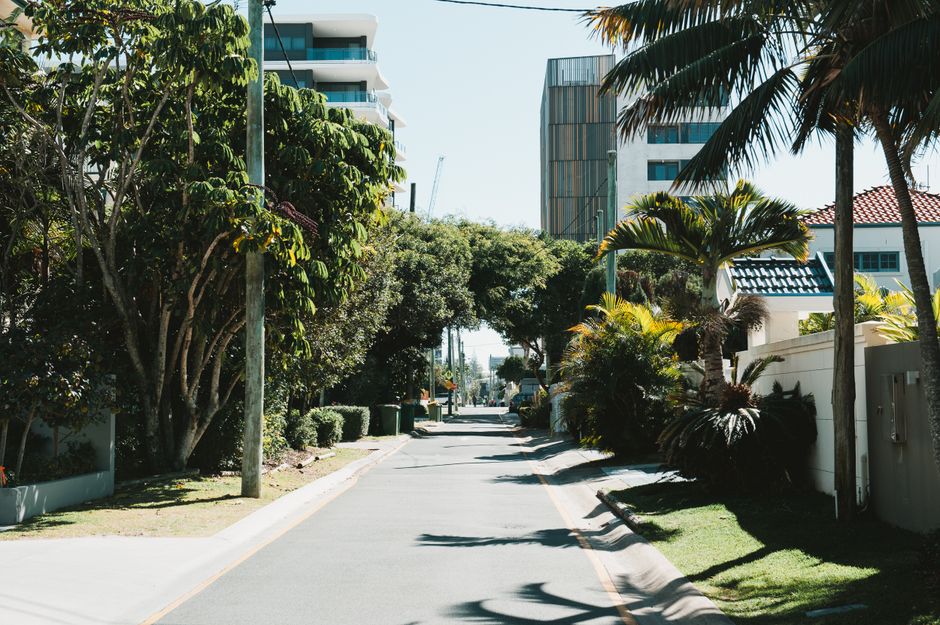
The Gold Coast City Council is set to make crucial decisions on short-term rental regulation in the coming months, with a review of the current framework underway. This review will have significant implications for the city's housing market, tourism industry, and residents.
The regulation of short-term rentals, particularly those listed on platforms like Airbnb, has become a pressing issue for the Gold Coast. With the city's popularity as a tourist destination continuing to grow, the demand for short-term accommodation has increased, leading to concerns about the impact on housing affordability and availability. The 2032 Olympics, which will see venues constructed at Coomera and Robina, are also expected to put additional pressure on the city's housing market.
In the Gold Coast, areas like Surfers Paradise, Main Beach, and Burleigh Heads have seen a significant increase in short-term rentals. The Gold Coast Tourism Corporation has reported that the city's tourism industry is recovering well from the COVID-19 pandemic, with a record number of visitors expected in the coming year. However, this growth has also led to concerns about the impact of short-term rentals on residential areas, with some residents complaining about noise, parking, and other issues. Organisations like the Gold Coast Residents Association and the Surfers Paradise Chamber of Commerce are closely watching the council's review, as are local MPs like Ted Sorensen, who represents the electorate of Theodore.
According to data from the Gold Coast City Council, there are currently over 12,000 short-term rental properties listed on platforms like Airbnb, with the majority located in areas like Surfers Paradise and Main Beach. The council has reported that it receives an average of 500 complaints per year about short-term rentals, with the most common issues being noise, parking, and overcrowding. The cost of regulating and enforcing short-term rentals is significant, with the council estimating that it spends around $1.5 million per year on compliance and enforcement activities. As of June 2026, the council has issued 250 fines to short-term rental operators for non-compliance with regulations, with fines ranging from $500 to $5,000.
As the council considers its options for regulating short-term rentals, residents and stakeholders are being encouraged to have their say. The council has launched a public consultation process, which will run until August 2026, and will include community meetings and online surveys. Residents can provide feedback on the current regulation framework and suggest changes they would like to see. The council will also be considering the impact of short-term rentals on the city's housing market, with a report from the Queensland University of Technology finding that short-term rentals have reduced the availability of long-term rental properties in the city. With the council's decisions expected to have a significant impact on the city's housing market and tourism industry, it is essential that residents and stakeholders are involved in the process.
Spread the word
About this article
Published by The Daily Gold Coast
Daily brief
Free, in your inbox before 7am. Weekdays.
More from Gold Coast
News
News
News