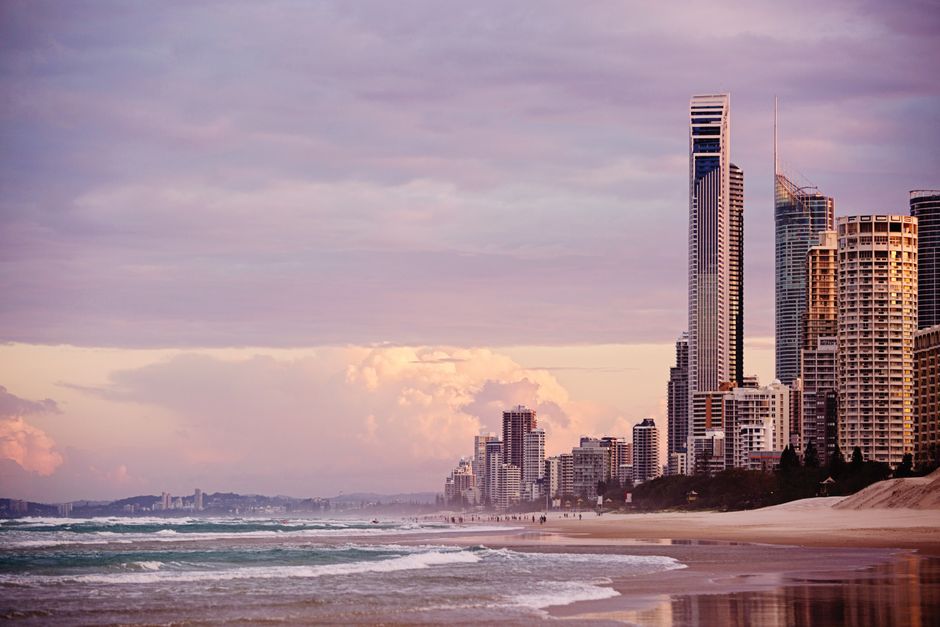
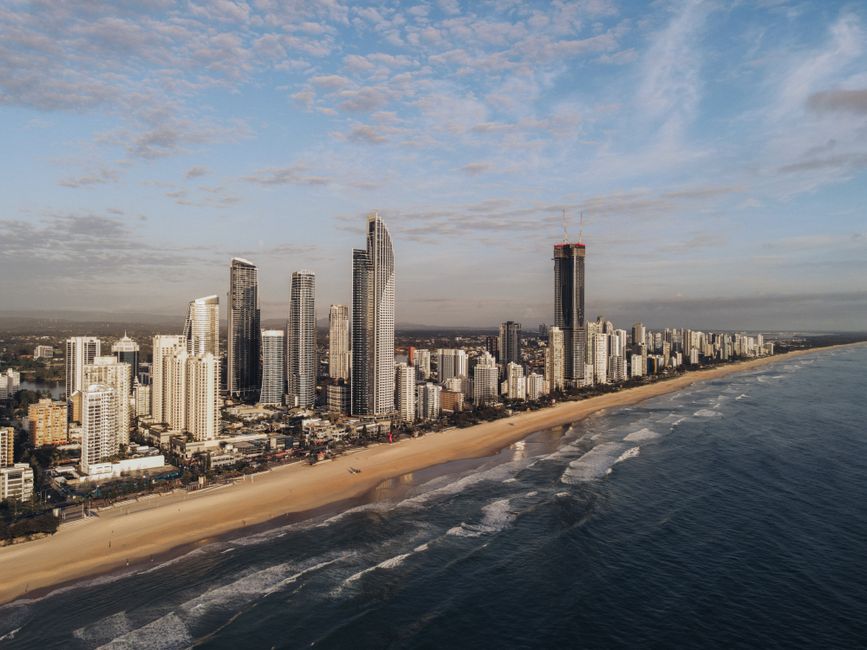
The Gold Coast City Council faces a narrow window this July to lock in its formal position on short-term rental regulation before the Queensland Government's statewide framework takes effect — and the decisions made in the next 90 days will determine who can afford to live here by the time the 2032 Olympic torch arrives.
The pressure is not abstract. Queensland's planning reform agenda has put local governments on notice to align their own planning schemes with new short-term accommodation rules. For the Gold Coast, which already hosts one of the highest concentrations of Airbnb-style listings of any local government area in the country, that alignment process is far more complicated than it sounds.
The city's rental vacancy rate has sat stubbornly below two per cent for most of the past three years, according to figures published by the Real Estate Institute of Queensland. Median weekly rents for a three-bedroom house in suburbs such as Burleigh Heads and Mermaid Beach have climbed well past $1,000. The link between the short-term rental market and long-term housing availability has been debated here for years, but the Olympic clock has given it fresh urgency.
Two Venues, One Housing Problem
The 2032 Games venues at Coomera Indoor Sports Centre and Robina Stadium sit at opposite ends of the city's light rail corridor — or rather, the corridor that is still partly on a drawing board. The State Government's commitment to extending the G:link tram network from Broadbeach to Burleigh Heads and eventually to Coolangatta has been confirmed in principle, but funding timelines remain tied to infrastructure negotiations that won't conclude before late 2026.
What that means for housing is direct. The suburbs within walking distance of both venues — Coomera, Hope Island, Robina, Varsity Lakes — are already absorbing speculative construction investment. Developers lodging applications with Council's Development Assessment branch have cited Olympic infrastructure proximity as a primary commercial justification. Several large mixed-use projects along Robina Town Centre Drive are already before Council, according to publicly listed development applications on the City Plan portal.
The short-term rental question cuts right across all of it. If the state framework allows unrestricted Airbnb-style use in residential zones — with registration but no cap on nights — investor appetite for short-stay units near Olympic venues will only accelerate. If the Council elects to apply a stricter local overlay, it risks a legal challenge from property owners who bought under existing planning assumptions.
The Decisions Council Cannot Delay
Council's City Planning Committee is scheduled to consider its submission to the state framework through the third quarter of this year. Three options are in front of planners: endorse the state's base model, apply a local overlay capping short-term lets in defined residential precincts, or pursue a registration-and-levy model similar to what Byron Shire Council has pursued in New South Wales.
The Byron model — which charges a nightly levy that funds affordable housing — has attracted interest from Gold Coast housing advocates, including groups operating out of Southport's community services corridor. Whether Council has the political appetite for a levy is a different question. The city's LNP-aligned councillors have historically been cautious about anything framed as a tax on property owners.
Separately, Tourism and Events Queensland's long-term planning for the 2032 visitor surge assumes significant short-stay accommodation capacity in the Broadbeach-to-Coomera corridor. That assumption may be incompatible with any serious attempt to claw back rental housing stock.
The Council must file its formal response to the state by September 30, 2026. Between now and then, community submissions open, developer lobby groups will make their case, and housing advocates will push for supply-side protections. The City Plan itself may require amendment regardless of which path is chosen.
Property owners with short-term rental listings should register with Council's emerging system now — the registration requirement is expected to be mandatory from January 1, 2027, whether or not the broader regulatory debate is resolved. Owners with properties in residential-coded zones near Robina and Coomera in particular should seek planning advice before committing to further investment, given the genuine uncertainty about what overlay rules may apply once the framework is finalised.