Gold Coast's Short-Term Rental Crackdown: What Happens Next and the Key Decisions Ahead
With council votes looming and housing pressure mounting, the Gold Coast's Airbnb regulation fight is entering its most consequential phase.
With council votes looming and housing pressure mounting, the Gold Coast's Airbnb regulation fight is entering its most consequential phase.
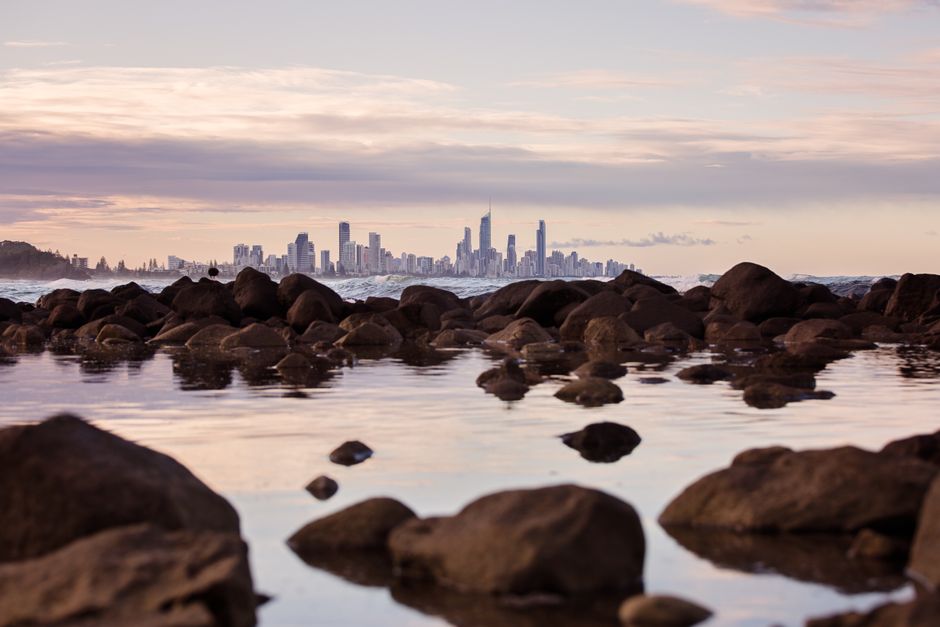
Gold Coast City Council is heading toward a set of regulatory decisions that will shape the short-term rental market across the city for years — and property owners, long-term renters, and platform operators are all watching the calendar. The critical question now is not whether tighter controls are coming, but how far they will reach and which suburbs will feel them first.
The pressure has been building for months. Residential vacancy rates across the Gold Coast have sat well below comfortable thresholds, while entire apartment blocks in Surfers Paradise and Broadbeach have quietly converted from permanent housing stock to Airbnb-style listings. That erosion of supply has pushed rents higher in corridors that were already under strain — and it has given local councillors a politically useful issue heading toward the 2028 state election cycle. The 2032 Brisbane Olympic Games, with confirmed Gold Coast venues at Coomera Arena and Coomera Indoor Sports Centre, have added urgency: accommodation pressure during an eight-year infrastructure build is not a theoretical problem.
The immediate decision point sits with Gold Coast City Council's planning and environment committee, which is expected to consider a draft short-term accommodation framework before the end of the third quarter of 2026. The framework under discussion would, according to council agenda papers published in June, introduce a tiered registration system for properties listed on platforms such as Airbnb and Stayz. Under one option being examined, owner-occupied dwellings could list freely up to a set number of nights per year, while investment properties run as full-time short-term lets would require a separate, higher-cost approval category.
Operators in the Chevron Island and Main Beach precincts — both of which have seen substantial short-term listing growth over the past three years — are understood to be tracking the draft closely. The Gold Coast Accommodation Association has previously flagged concerns about compliance costs for smaller operators, though the council has not yet published a formal response to industry submissions.
Queensland's Planning Act 2016 gives local governments the authority to regulate short-term accommodation through planning scheme amendments, but any changes to the Gold Coast City Plan must go through a public notification period of at least 15 business days. That procedural requirement means even a committee decision in August would not produce enforceable rules until late 2026 at the earliest.
Real Estate Institute of Queensland data from the first quarter of 2026 put the Gold Coast's residential rental vacancy rate at 1.1 per cent — well below the 3 per cent level economists typically regard as a balanced market. The Robina and Coomera growth corridors, where Olympic infrastructure spending is already accelerating construction activity, recorded some of the tightest conditions in the city.
At the same time, the short-term rental sector is not a marginal part of the local economy. Tourism Research Australia figures from 2025 showed the Gold Coast receiving more than 12 million visitors annually, and peer-to-peer accommodation platforms capture a meaningful share of that spend. Any regulation that reduces listing supply risks shifting that economic activity north to Brisbane or south to Tweed Heads — a fact councillors from LNP-held seats along the northern Gold Coast corridor have been careful to note in public hearings.
The policy balance is genuinely difficult. Hosing down speculative short-term listings protects long-term renters and families competing for housing. Overreaching risks damaging one of the city's core revenue streams ahead of the most significant international event it has ever hosted.
The next formal step is a council officer's report, due before the planning committee no later than September 2026. After that, councillors will vote on whether to proceed to public notification — the point at which the community, platform operators, and the property industry can formally put positions on the record. Anyone with a stake in the outcome should be preparing submissions now, because once that notification window opens, the timeline to a council decision compresses fast.
Spread the word
About this article
Published by The Daily Gold Coast
Daily brief
Free, in your inbox before 7am. Weekdays.
More from Gold Coast
News
News
News