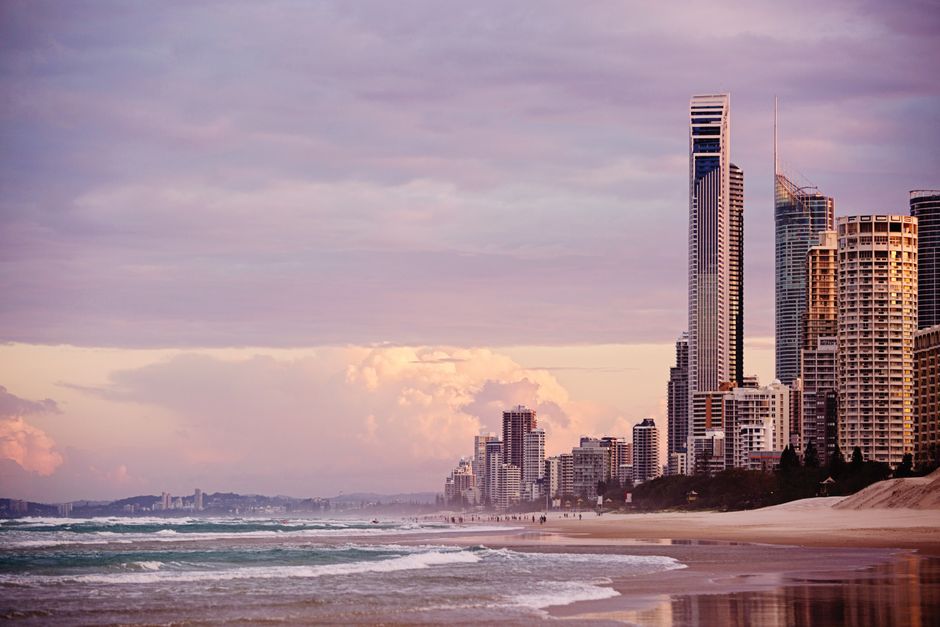
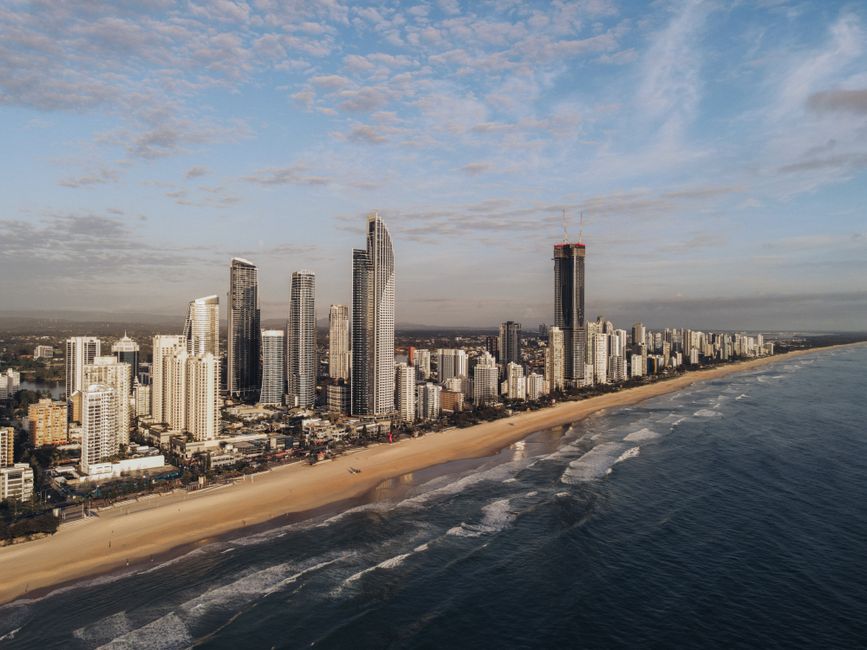
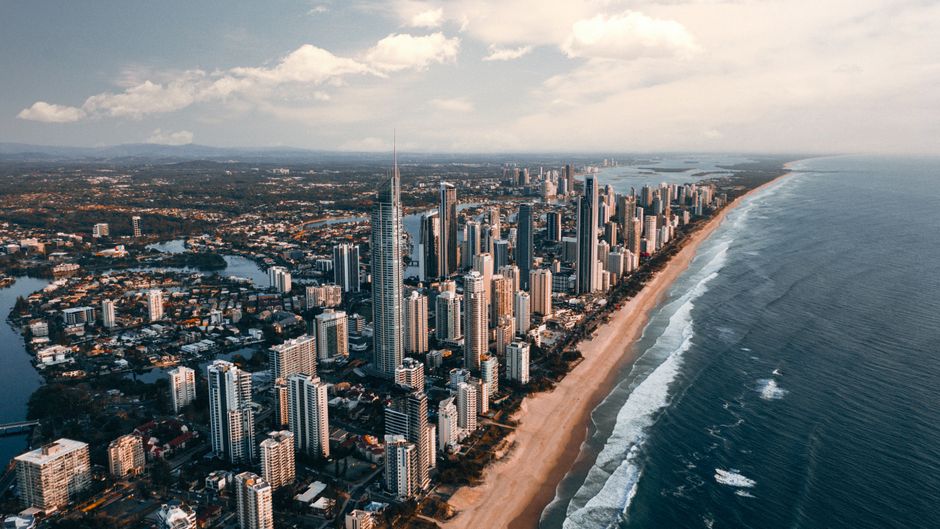
Property managers, council officials and real estate advocates are raising fresh alarm about a specific and growing headache in Gold Coast's short-term rental sector: duplicate images recycled across multiple listings, sometimes for properties kilometres apart. The concern is sharpest along the Surfers Paradise strip and in the northern suburbs feeding the 2032 Olympic precinct near Coomera, where new investor stock is coming to market at speed.
The timing is not accidental. Gold Coast City Council tightened its short-term rental registration requirements earlier this year under Queensland's new accommodation framework, which came into force in 2025. That framework obliges hosts to maintain accurate, property-specific listing information — including photographs. Industry figures say enforcement of the image-accuracy element has been patchy at best, and that platforms operating in the market have been slow to develop detection tools capable of flagging recycled photos before a guest books and arrives to find a property that looks nothing like the ad.
Why the Gold Coast Market Is Particularly Exposed
The city's construction boom has added thousands of near-identical apartment units in a short period, particularly in towers along Chevron Island, Broadbeach and the new residential corridors around Robina. Investors often work from the same developer-supplied render packages or show-apartment photo sets. When those images are uploaded to booking platforms without verification, they can appear across dozens of listings simultaneously — some accurate, some representing units that have never been photographed independently.
REIQ — the Real Estate Institute of Queensland — has previously outlined guidance for members on photo authenticity as part of its listing standards framework, though enforcement ultimately rests with individual agencies and platform operators. The Queensland Office of Fair Trading handles formal complaints under the Property Occupations Act 2014, and industry observers note the agency's complaints-handling capacity has been under pressure as the rental market has expanded. Gold Coast alone accounts for a significant share of Queensland's registered short-term rental properties, a figure that has grown sharply since international tourism rebounded post-pandemic.
At the Coomera and Robina precincts — both locked in as venues for the 2032 Brisbane Olympics — the stakes are particularly high. Developers and investor-landlords are already marketing properties on the strength of future Games demand. If listing images don't match the actual stock, the reputational risk extends beyond individual hosts to the broader effort to attract pre-Games visitors and long-stay athletes' families from 2030 onward.
What Needs to Happen, and When
The practical fix most frequently cited by property management professionals involves mandatory geo-tagged, time-stamped photography verified at the point of registration — not just at initial listing but on annual renewal. Council registration numbers, which Gold Coast City Council requires hosts to display on listings, provide one layer of accountability, but critics argue that number alone does not guarantee the images attached to a listing are current or property-specific.
Several property management firms operating out of Bundall and Varsity Lakes have begun requiring independent photographic verification as an internal policy ahead of any regulatory mandate, according to publicly available statements from industry group Tourism Accommodation Australia. That body has called on the Queensland government to align platform accountability rules with those already in place in New South Wales and Victoria, where listing-image verification sits more explicitly within consumer protection legislation.
For guests planning Gold Coast stays — particularly those booking months ahead for the school holiday period or major events at the Gold Coast Convention and Exhibition Centre in Broadbeach — the practical advice from consumer advocates is straightforward: cross-reference listing photos against Google Street View and satellite imagery for external shots, request current interior photos directly from the host before paying, and lodge complaints with the Queensland Office of Fair Trading if a property materially misrepresents itself. Formal complaints can be filed online and do not require a solicitor.
Council has not publicly committed to a specific audit of listing imagery as of this week, but the short-term rental registration renewal cycle — which runs annually — is the most likely mechanism through which image verification could be bolted onto existing compliance checks. The next major renewal window opens in early 2027.