Gold Coast Grapples with Short-Term Rental Regulation: What Happens Next and the Key Decisions Ahead
As the city balances tourism recovery with residential concerns, policymakers must weigh the impact of new rules on the local economy and community.
As the city balances tourism recovery with residential concerns, policymakers must weigh the impact of new rules on the local economy and community.
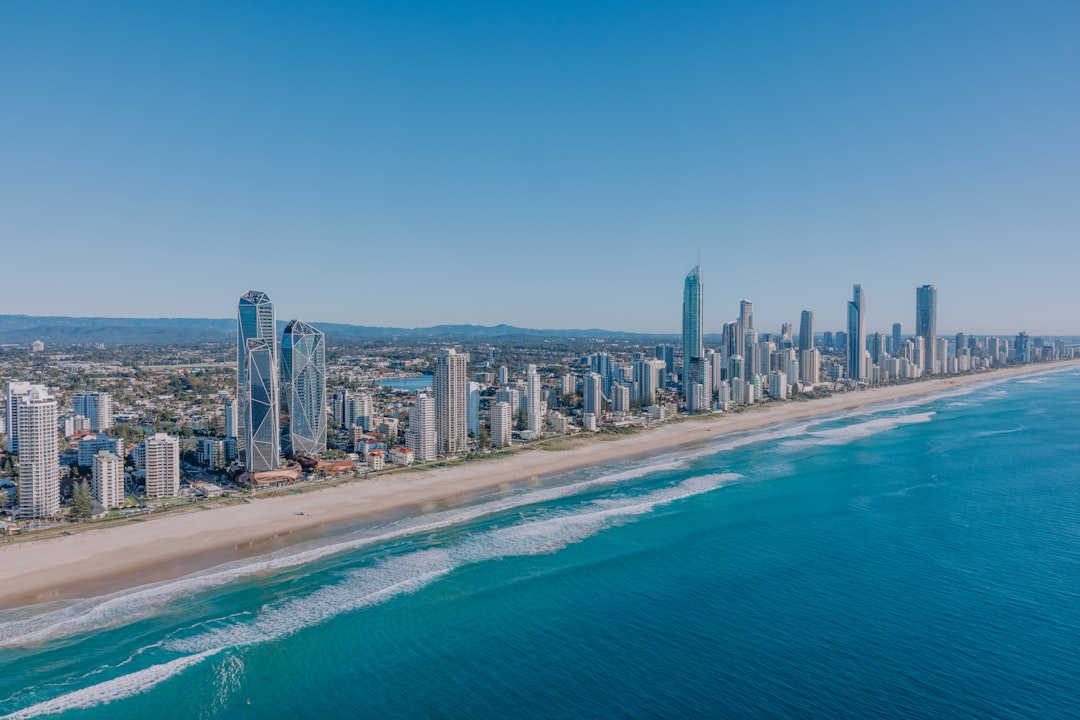
The Gold Coast City Council is set to make key decisions on short-term rental regulation in the coming months, with the aim of striking a balance between the city's thriving tourism industry and the concerns of local residents. The council has been grappling with the issue for years, and the recent construction boom and 2032 Olympics venue developments at Coomera and Robina have added urgency to the debate.
The regulation of short-term rentals, particularly those listed on platforms like Airbnb, is a critical issue for the Gold Coast. The city's tourism industry is a major driver of the local economy, with visitors drawn to the region's iconic beaches, theme parks, and natural attractions. However, the proliferation of short-term rentals has also raised concerns about noise, parking, and affordability for long-term residents. As the city prepares to host the 2032 Olympics, policymakers must ensure that the regulation of short-term rentals supports the local economy while also protecting the interests of residents.
In the suburbs of Surfers Paradise and Broadbeach, where short-term rentals are most concentrated, residents have expressed concerns about the impact of these properties on their quality of life. The Gold Coast Light Rail extension, which is set to connect the city's major tourist precincts, will also increase the attractiveness of these areas to short-term renters. Organisations like the Gold Coast Tourism Corporation and the Surfers Paradise Chamber of Commerce have been working with the council to develop regulations that will support the local tourism industry while also addressing the concerns of residents. For example, the council is considering implementing a registration system for short-term rental properties, which would require owners to meet certain standards and pay a fee.
According to data from the Gold Coast City Council, there are currently over 12,000 short-term rental properties listed on platforms like Airbnb in the city. The council has estimated that these properties generate around $1.2 billion in economic activity each year, supporting over 10,000 jobs. However, the council has also received over 1,000 complaints about short-term rentals in the past year, with the majority related to noise and parking issues. As of June 2026, the median price of a short-term rental property in the Gold Coast is around $450 per night, with prices expected to increase by up to 20% in the lead-up to the 2032 Olympics.
As the council moves forward with regulating short-term rentals, it will be critical to balance the needs of the tourism industry with the concerns of local residents. The council is set to release a draft regulation policy in August 2026, which will be open for public comment. Residents and stakeholders can expect to see a range of measures aimed at addressing the issues associated with short-term rentals, including stricter noise and parking regulations, increased enforcement, and incentives for property owners to convert their properties to long-term rentals. The council will also be working with organisations like the Queensland Government's Department of Tourism, Innovation and Sport to develop strategies for supporting the local tourism industry while also protecting the interests of residents.
Spread the word
About this article
Published by The Daily Gold Coast
Daily brief
Free, in your inbox before 7am. Weekdays.
More from Gold Coast
News
News
News