Gold Coast City Council is expected to finalise its position on short-term rental registration requirements before the end of the third quarter of 2026, a timeline that leaves property owners, real estate agents and community housing advocates scrambling to understand what comes next. The decision, which dovetails with Queensland's broader statewide framework review, will determine whether thousands of dwellings currently listed on platforms including Airbnb and Stayz face new compliance costs, occupancy caps, or mandatory registration fees.
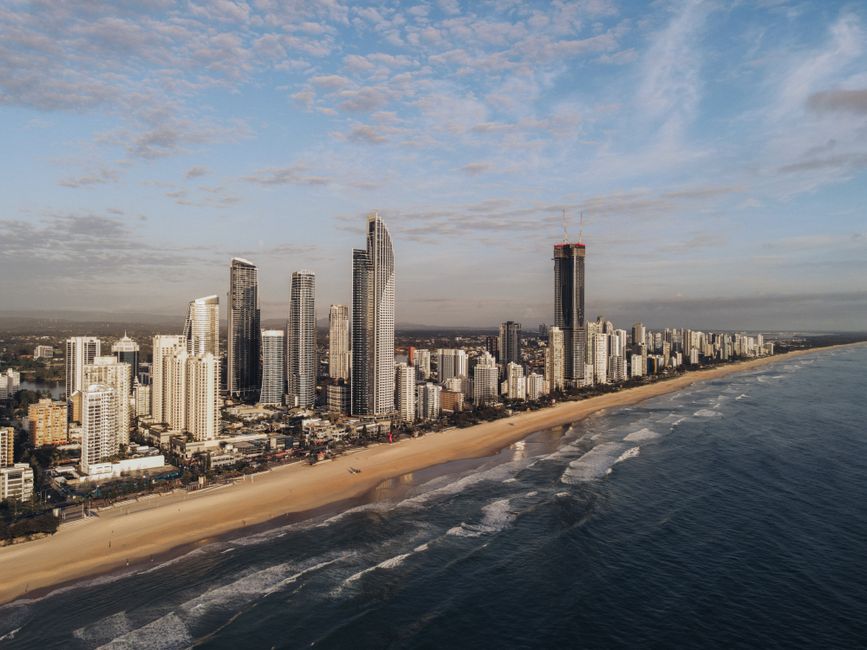
The stakes are higher now than at any previous point in this debate. Gold Coast has one of the densest concentrations of short-term rental stock in Queensland, particularly across Surfers Paradise, Broadbeach and the Chevron Island precinct, where investor-owned apartments have long operated in a regulatory grey zone between tourism accommodation and residential tenancy. The 2032 Brisbane Olympic Games — with venues confirmed at Coomera Indoor Sports Centre and Robina Stadium — have already started to reshape investor expectations about peak accommodation demand, giving platform-listed properties a commercial argument for continued deregulation that they have not had before.
The Pressure Points Building Across the City
The housing affordability dimension is impossible to separate from this conversation. Queensland's rental vacancy rate has been running at historically tight levels, and advocacy groups have argued consistently that removing short-term rental stock from the long-term market would meaningfully increase supply for permanent residents. Gold Coast's own rental market reflects that pressure, with median weekly rents for two-bedroom units in suburbs like Southport and Labrador tracking well above the levels recorded before the pandemic tourism rebound.
The council's planning and environment committee considered a staff report on short-term accommodation regulation in June 2026, but no binding resolution has been passed as of the date of publication. A key sticking point is whether the registration framework — if adopted — would apply uniformly to both owner-occupied properties rented occasionally and investor-owned units listed for the full calendar year. Industry bodies representing property managers have argued those two categories carry fundamentally different risk profiles and should not face identical compliance obligations.
Gold Coast Tourism, which promotes the city as a destination to domestic and international visitors, has a direct financial interest in how the regulation lands. A framework that dramatically reduces available short-term stock ahead of the 2032 Olympics could tighten accommodation supply at exactly the wrong moment. At the same time, state government modelling presented to Queensland Parliament earlier this year indicated that jurisdictions with capped short-term rental days — typically around 90 to 180 nights per calendar year — saw measurable increases in long-term rental listings within 12 months of implementation.
The Decisions That Will Define the Outcome
Three choices now sit at the centre of what happens next. First, the council must decide whether to adopt Queensland's proposed state-level registration portal or design its own local licensing scheme — a choice with significant cost implications for both the council and operators. Second, the planning committee must settle on whether short-term rental activity in low-density residential zones in areas like Reedy Creek and Mudgeeraba requires a separate development application, which would effectively exclude most residential houses from the market. Third, the council must determine enforcement: who investigates complaints, what penalties apply, and whether compliance monitoring falls to council officers or is outsourced.
For landlords currently listing on platforms, the practical advice from property law firms operating out of the Southport CBD is consistent: do not assume the current settings are permanent, document your current listing activity thoroughly, and review the terms of any existing body corporate by-laws before the third quarter deadline approaches. Body corporate rules in high-rise towers along the Esplanade can restrict short-term letting independent of whatever council ultimately decides, and those rules are enforceable regardless of the state framework outcome.
The council's next scheduled planning committee meeting falls in late July 2026. Whatever resolution emerges will set the template not just for Gold Coast, but likely for how other South-East Queensland councils approach the same question in the lead-up to 2032.