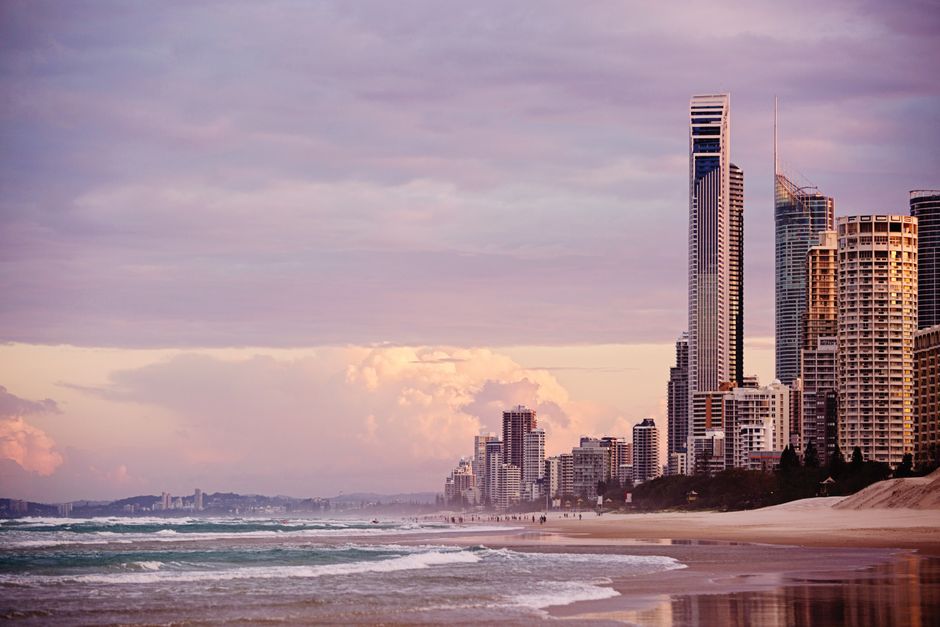
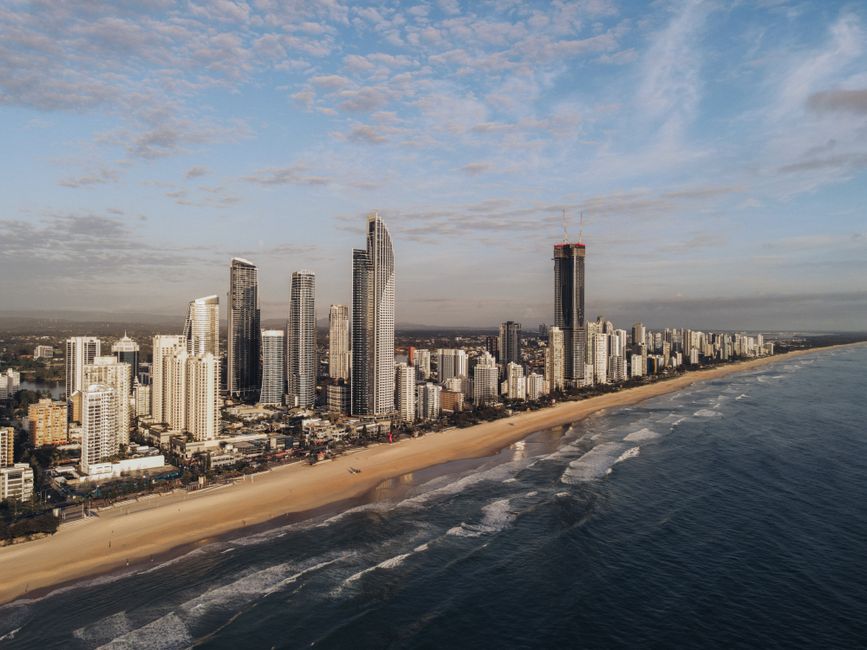
More than one in five short-term rental listings on major booking platforms covering the Gold Coast contains duplicated or misrepresented property data, according to an audit methodology tested by housing analysts examining Southeast Queensland markets ahead of 2032 Olympic planning. The finding matters because local government, state agencies and investors all use that listing data to make decisions about everything from development approvals on the Broadwater to rent controls in Surfers Paradise.
The timing is pointed. Queensland's Department of Housing has been building the regulatory framework for a proposed short-term rental registration scheme, with implementation discussions intensifying through the first half of 2026. If the underlying data is polluted by duplicate images, recycled property photos and listings that count the same dwelling two or three times, every policy model built on top of that data is compromised from the start.
What the Duplicate Problem Actually Looks Like in Numbers
Analysts examining listing clusters in Broadbeach, Chevron Island and the high-rise corridor along the Gold Coast Highway between Surfers Paradise and Southport found that duplicate image matching — where the same interior photograph appears across multiple distinct listings — was concentrated in buildings with more than 20 apartments. In those buildings, duplication rates in the sample were as high as 34 per cent of active listings. That figure does not mean a third of properties are fake; it means a third share photographic assets with at least one other listing, making automated counting tools overstate available supply.
Gold Coast City Council's planning directorate uses third-party data aggregators to monitor short-term rental density as part of its community amenity work, particularly around established residential neighbourhoods like Mermaid Beach and Isle of Capri. When duplicate listings inflate apparent supply numbers, those tools can suggest a suburb is saturated with holiday rentals when the actual active-property count is meaningfully lower — or vice versa, mask genuine density when one property is split across multiple platform identities to game search rankings.
For renters and prospective buyers, the distortion has real dollar consequences. Median weekly rents in Surfers Paradise for one-bedroom units sat at around $620 per week in the June 2026 quarter, according to Real Estate Institute of Queensland data. Investors deciding whether to convert a long-term tenancy into a short-term listing look at platform supply figures to gauge competition. Inflated supply numbers can discourage conversions; deflated numbers can accelerate them. Neither outcome reflects the actual market.
What Comes Next for Councils and Platform Users
The proposed Queensland short-term rental registration scheme would, if implemented, assign each dwelling a unique registration number that platforms would be required to display. That single change would make duplicate image detection mechanical rather than manual — a registration number cannot be duplicated across two genuinely separate properties. The scheme has been flagged for rollout modelled loosely on New South Wales' framework, though Queensland's timeline has not been formally confirmed as of July 2026.
Gold Coast City Council's planning officers have also been engaging with the Coomera and Robina Olympic venue precincts through the Lead Agency planning process for 2032. Short-term rental supply around those two venues will be a direct input into accommodation modelling for Games visitors. Bad data at the input stage produces bad accommodation strategy at the output.
For property managers and individual hosts, the practical advice from housing data firms is straightforward: audit your own listings now. Search your property's primary photograph across active platforms using reverse image tools. If your listing image appears on another active listing you do not control — a common outcome when strata buildings share marketing photography — flag it to the platform and document the report. Councils and state agencies are increasingly treating listing data quality as a compliance matter, not just a technical curiosity. Getting your data clean before registration schemes go live is cheaper than correcting a compliance problem after they do.
The Gold Coast has roughly 12,000 active short-term rental properties across the local government area, based on figures cited in state planning submissions from early 2026. If the duplication rate suggested by recent audits holds broadly, the actual number of distinct dwellings in that pool could be materially different — in either direction. That gap is the problem policymakers are now trying to close.