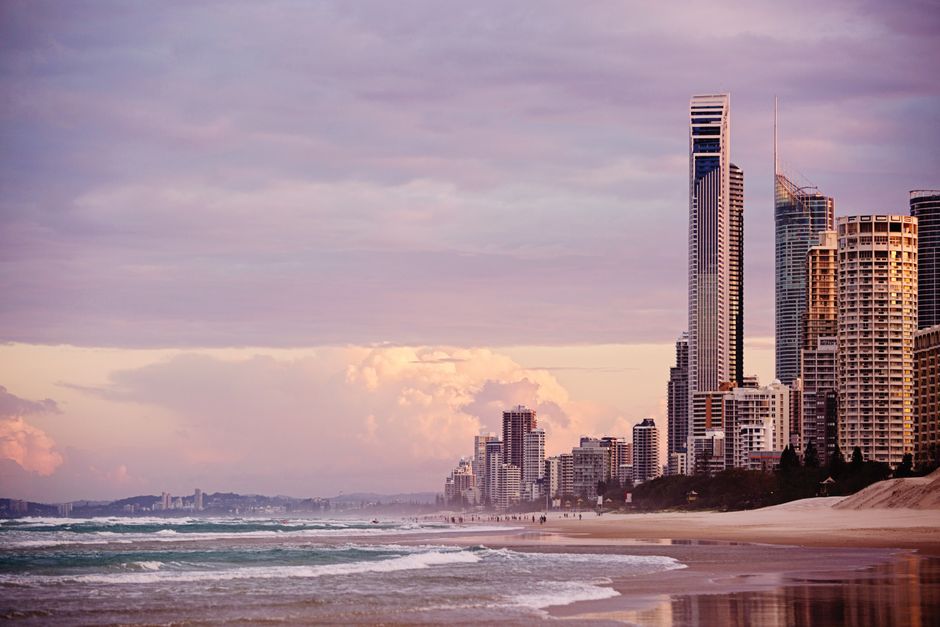
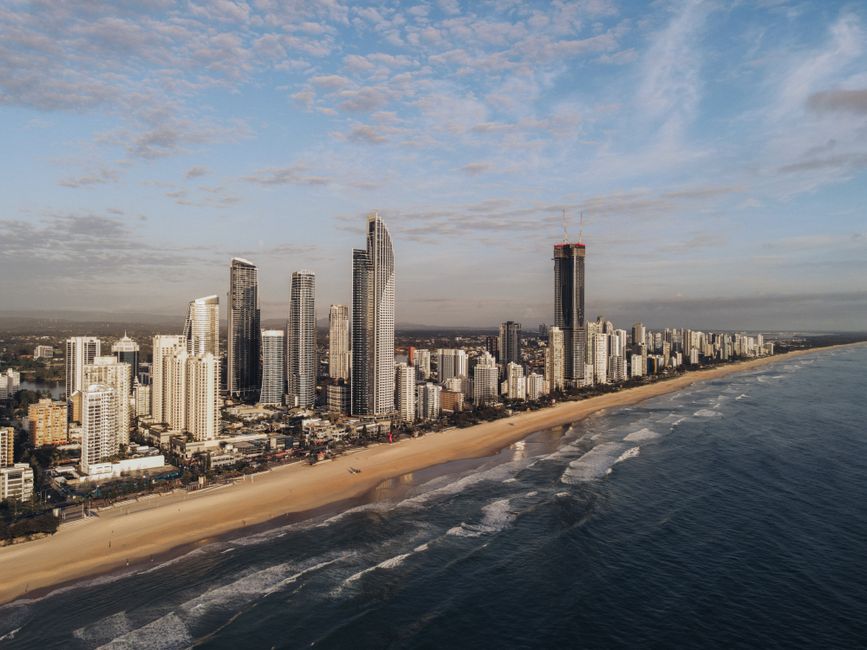
More than 8,400 properties on the Gold Coast were listed on short-term rental platforms as of the first quarter of 2026, according to figures compiled by the Queensland Department of Housing and tracked by the Gold Coast City Council's planning directorate. That count — up from roughly 6,200 listings recorded in the same period three years earlier — sits at the centre of a heated local debate about who those dwellings are actually housing, and at what cost to the city's long-term residents.
The timing matters because Queensland's state government has flagged a review of its short-term rental code of conduct, which took effect in April 2023, with a formal assessment now underway. Locally, the pressure is compounding: Gold Coast's residential vacancy rate sat at approximately 0.7 percent in May 2026, according to the Real Estate Institute of Queensland's monthly data — one of the tightest figures the city has recorded since the post-pandemic surge. The combination of a near-frozen rental market and a growing short-term letting stock has pushed housing affordability onto the agenda of almost every council committee meeting held at Evandale Place this year.
Surfers Paradise and Broadbeach: Where the Listings Cluster
The concentration of short-term rentals is not spread evenly across the city. Internal mapping shared at the council's June 17 planning committee meeting showed that the suburbs of Surfers Paradise and Broadbeach together account for close to 34 percent of all active short-term rental listings on the Gold Coast — a figure that dwarfs the combined share of suburbs like Robina, Coomera, and Ormeau, where long-term family housing stock dominates. Chevron Island, squeezed between the Nerang River and the Surfers Paradise strip, has seen its proportion of short-term listings climb sharply since 2023, driven partly by investor purchases of one-and two-bedroom units in buildings along Stanhill Drive and Thornton Street.
Average nightly rates for a two-bedroom apartment in Surfers Paradise have climbed to around $285 on major platforms during the July school holidays, based on publicly visible listing data. That figure is roughly three times the weekly-equivalent cost of a long-term rental in the same building type — a gap that landlords and housing advocates both acknowledge creates a straightforward financial incentive to list short rather than long. The Gold Coast Housing Company, a community housing provider operating properties across Labrador, Southport, and Nerang, has noted publicly that its waitlist has grown substantially over the past 18 months, though the organisation has not publicly attributed that growth solely to short-term rental pressures.
The Olympic Clock and What It Means for Supply
There is another layer to this story that sits six years out: the 2032 Brisbane Olympics. The Gold Coast is confirmed as a venue city, with Coomera Indoor Sports Centre and Robina Stadium both on the official program. State and federal infrastructure investment tied to those venues is already shaping development approvals in the northern and southern growth corridors. Council planning officers have flagged that investor interest in short-term rental-eligible properties within a 10-kilometre radius of Coomera has increased noticeably since the venues were confirmed, though no formal audit of that trend has been published.
Gold Coast City Council's current planning scheme does not require a separate approval for short-term rentals in most residential zones — a gap that separates it from Byron Bay Shire Council in New South Wales, which introduced a 60-night annual cap on non-hosted short-term rentals in 2023. Whether the Queensland state review leads to a similar cap here remains the central question for property managers, housing advocates, and the roughly 27,000 households on the Gold Coast currently renting privately.
For residents trying to navigate the market now, the practical reality is unforgiving. Anyone hunting a long-term rental in Broadbeach or Chevron Island this winter is competing in a pool of listings that council's own data suggests has shrunk by close to 12 percent since 2023. The state government's review is expected to produce draft recommendations before the end of 2026. Until then, the numbers keep moving — and mostly in the same direction.