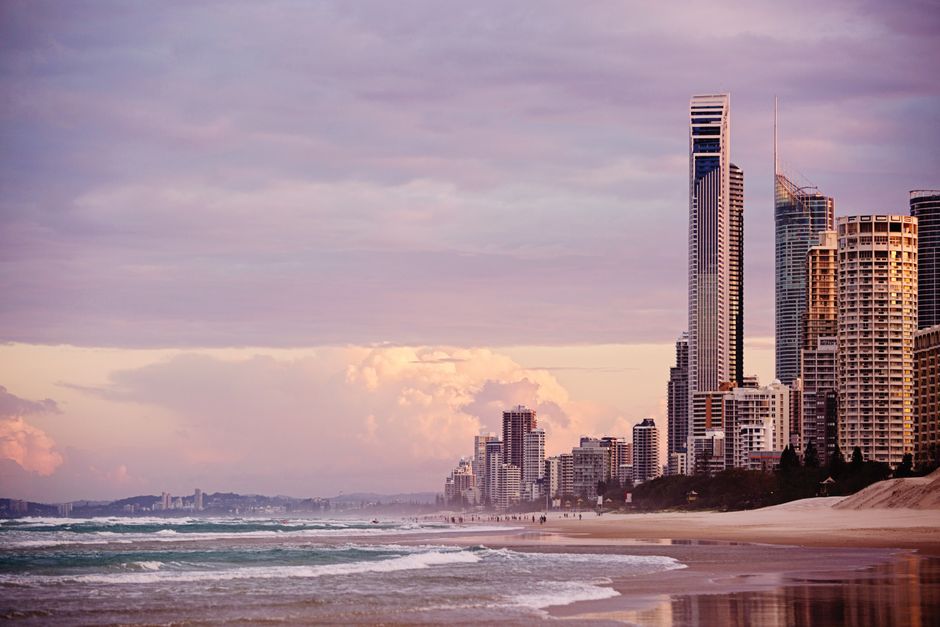
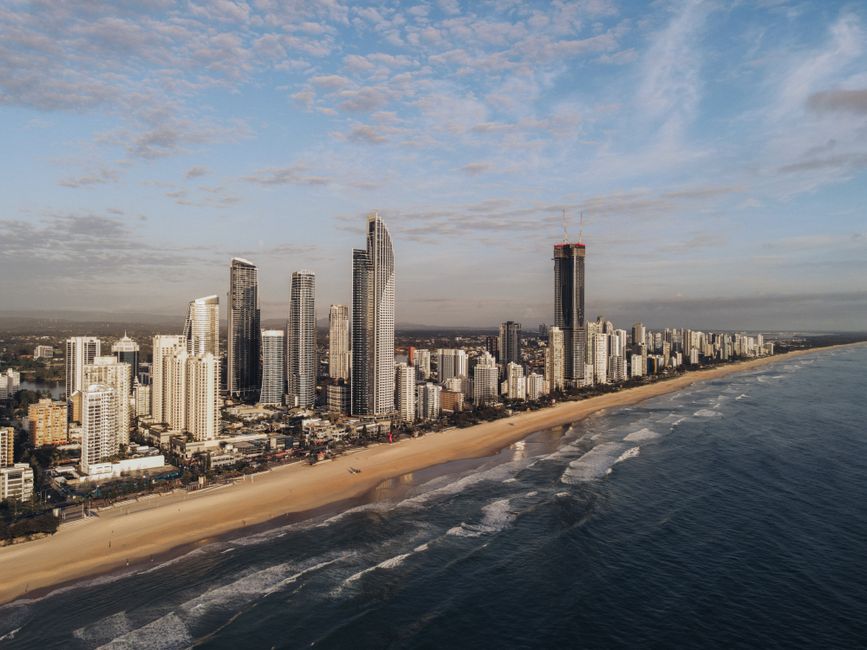
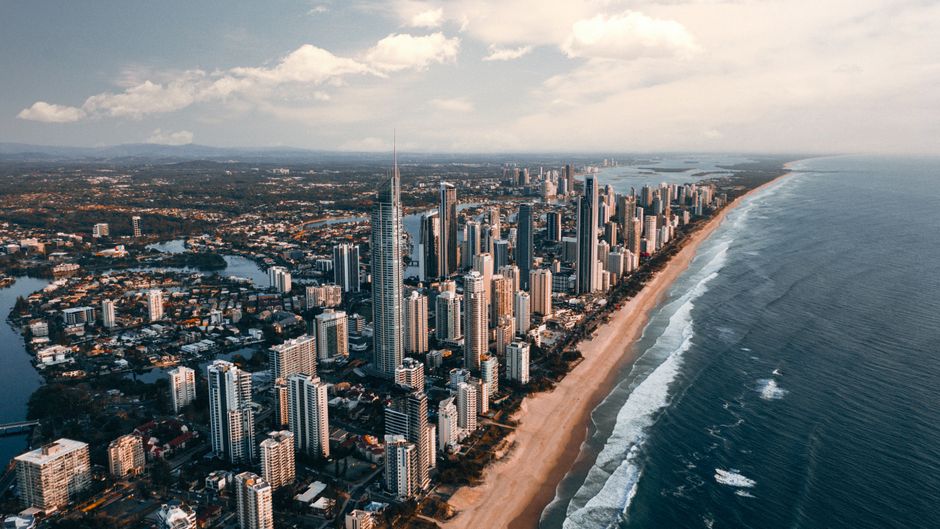
Gold Coast City Council is now under pressure to act on a problem that property advocates and rental platform auditors have been flagging since at least 2022: the widespread use of duplicate, recycled, and outright misleading images in short-term rental listings across the city's most popular corridors. The immediate trigger is an audit of listings on major platforms operating in the Surfers Paradise and Broadbeach precincts, which found a significant proportion of active listings sharing identical or near-identical hero photographs across multiple, separately advertised properties.
The timing matters. Queensland Parliament passed short-term rental registration framework legislation in late 2024, giving councils new tools to police the sector before the 2032 Brisbane Olympics bring a surge of visitor accommodation demand. Coomera Arena and Robina Stadium, both confirmed 2032 venues, sit within the Gold Coast local government area. State and federal planners have spent the past 18 months projecting accommodation shortfalls of several thousand beds during the Games period, making the integrity of the short-term rental stock a genuine infrastructure question, not just a consumer affairs footnote.
How the Image Duplication Problem Took Root
The roots of the issue stretch back to the post-2016 Airbnb boom on the Gold Coast, when a surge of investor-owners entered the short-term market with minimal regulatory friction. Many used the same professional photography packages, some sourced from a handful of Gold Coast-based real estate photography studios operating out of Bundall and Robina, and images migrated between listings as properties changed management agencies or were re-listed under new accounts. Platform moderation did not systematically flag duplicate images used across different property addresses.
By 2020, the Gold Coast had one of the highest concentrations of Airbnb listings per capita of any Australian city outside of inner Sydney. That density, combined with a management agency model where a single operator might control dozens of apartments across Chevron Renaissance or Circle on Cavill, created the conditions for image libraries to be treated as shared corporate assets rather than property-specific records. A guest booking a two-bedroom apartment in Orchid Avenue based on a set of photographs might arrive to find a layout, fit-out, or even a view that bore little resemblance to the images shown.
The Queensland Office of Fair Trading has jurisdiction over misleading representations in consumer transactions, and the Australian Consumer Law has always technically covered deceptive listing imagery. But enforcement against individual short-term rental operators has been rare. The Gold Coast's Tourism Accommodation Australia branch has previously pointed to a lack of a central registry as the structural gap, there was simply no mechanism to cross-reference an image against a confirmed property address at scale.
What the 2024 Registration Rules Changed, and Didn't
Queensland's short-term rental registration framework, which began its phased rollout from January 2026, requires hosts to obtain a registration number and display it on listings. It does not, at this stage, mandate independent verification of listing images against the registered property. That gap is now the focus of representations being made to Council's City Planning committee ahead of its next scheduled meeting on 22 July 2026.
The practical consequences for visitors have been well documented by consumer bodies. A Gold Coast-specific analysis circulated to Council officers in May 2026, drawn from platform review data across the Orchid Avenue, Elkhorn Avenue, and Old Burleigh Road precincts, identified dozens of cases where review text described physical features inconsistent with the advertised images. Short-term rental management companies operating in the area have not publicly responded to the findings.
For the period leading up to 2032, the stakes are straightforward. If the image integrity problem is not resolved before the Games accommodation surge, visitors booking Gold Coast rentals from interstate and overseas will be working from an unreliable evidentiary base. Council's immediate next step is to determine whether the registration framework can be amended locally to require image verification at the point of registration, or whether that requires a referral back to the state government in Brisbane. Either path takes time the market does not have.