Behind the Numbers: The Data Statistics and Numbers Behind Gold Coast's Short-Term Rental Regulation
A closer look at the statistics driving the city's approach to managing short-term rentals and their impact on local communities
A closer look at the statistics driving the city's approach to managing short-term rentals and their impact on local communities
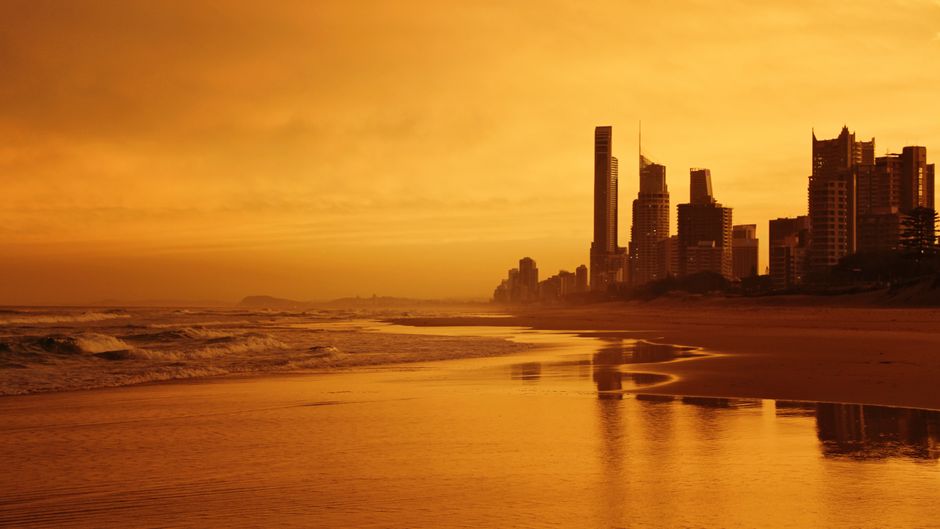
Gold Coast City Council has received over 1,200 submissions on its proposed short-term rental regulation, with 70% of respondents supporting stricter controls on platforms like Airbnb. This comes as the city experiences a surge in tourism, with visitor numbers expected to reach 12 million by the end of 2026.
The regulation of short-term rentals is a pressing issue for the Gold Coast, particularly in areas like Surfers Paradise and Main Beach, where the proliferation of short-term lets has led to concerns about noise, parking, and strain on local amenities. With the 2032 Olympics on the horizon, the city is under pressure to balance the needs of tourists and residents, while also ensuring that the benefits of tourism are shared fairly. The Queensland Government's $1 billion investment in Olympic infrastructure, including the Coomera Sports Centre and Robina Stadium, is expected to drive growth and development in these areas.
In local neighbourhoods like Burleigh Heads and Palm Beach, residents are reporting increased instances of party houses and noise disturbances, prompting calls for greater regulation. The Gold Coast Chamber of Commerce has weighed in on the debate, arguing that a balanced approach is needed to support local businesses while also protecting the rights of residents. The City Council's proposed regulation would require short-term rental operators to obtain a licence and comply with strict noise and safety standards, with fines of up to $10,000 for non-compliance.
According to data from the Australian Bureau of Statistics, the Gold Coast has seen a 25% increase in short-term rental listings over the past year, with the average nightly rate rising to $250. Meanwhile, a report by the Queensland University of Technology found that 40% of residents in areas with high concentrations of short-term rentals reported feeling like they were living in a 'tourist zone'. The City Council's own data shows that there are currently over 15,000 short-term rental properties in the city, with 60% of these located in the coastal suburbs. The regulation is expected to affect around 80% of these properties, with operators required to comply with the new rules by January 2027.
As the City Council moves to finalize its regulation, residents and businesses are being urged to have their say. The proposed regulation is expected to come into effect in September 2026, with a 6-month transition period for operators to comply. In the meantime, the City Council is working with local stakeholders to develop a comprehensive plan for managing short-term rentals, including education and enforcement programs. With the future of the Gold Coast's tourism industry hanging in the balance, it's clear that getting the regulation right will be crucial to ensuring the city remains a vibrant and livable place for both residents and visitors.
Spread the word
About this article
Published by The Daily Gold Coast
Daily brief
Free, in your inbox before 7am. Weekdays.
More from Gold Coast
News
News
News