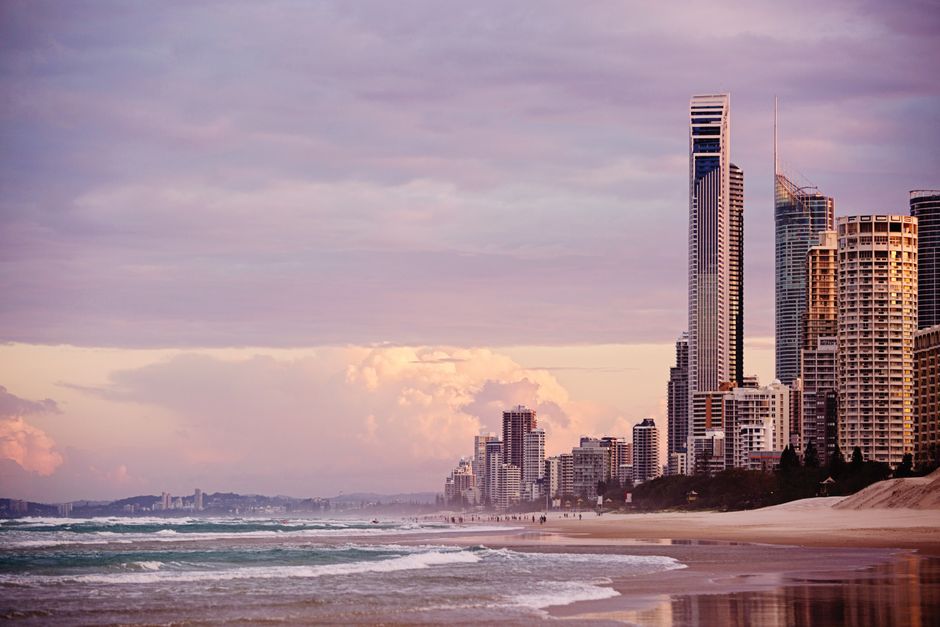
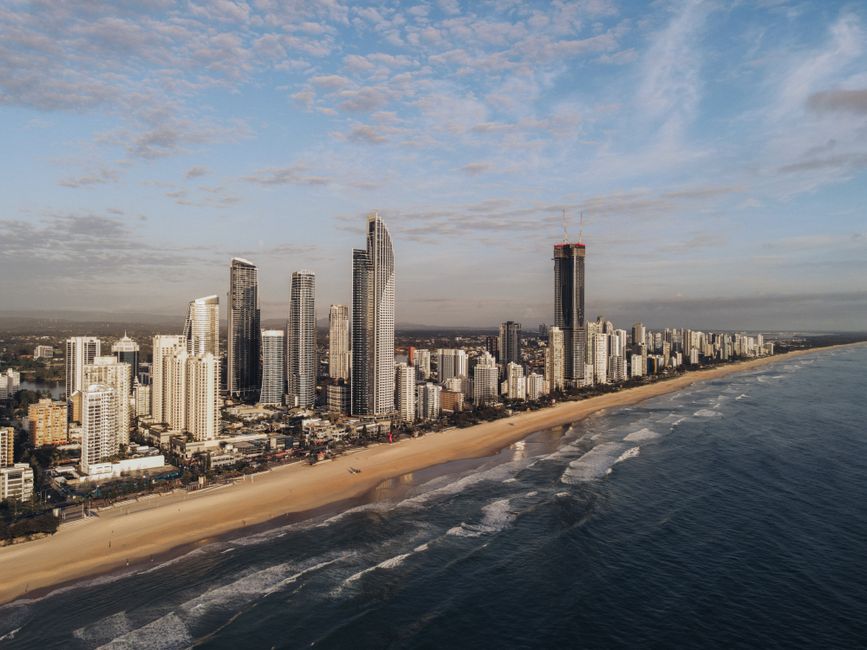
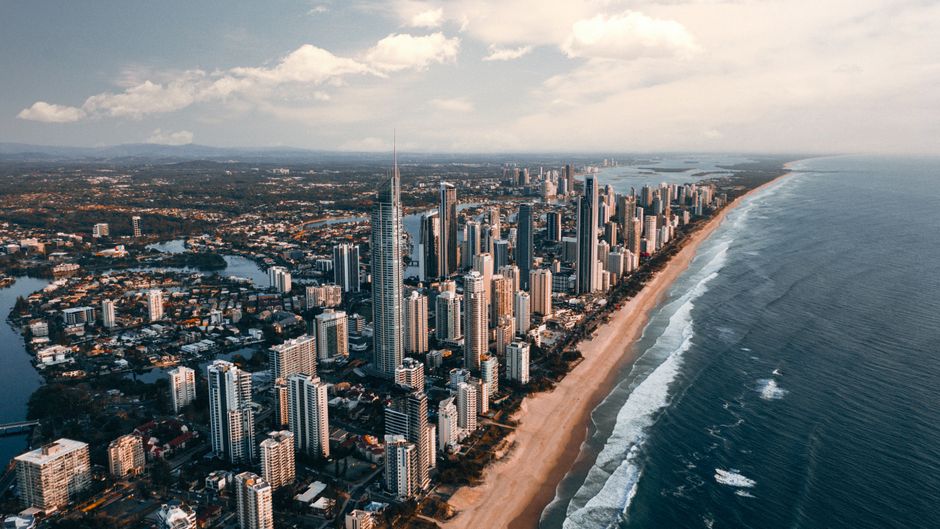
Gold Coast property owners running Airbnb and short-term rental listings have until the end of this year to register under Queensland's new short-term rental accommodation framework — and the decisions they make in the next few months will determine whether their investment income survives the regulatory shift intact.
The pressure is real and immediate. Queensland's housing shortage has pushed state and local governments to move harder on properties that sit outside the long-term rental pool, and the Gold Coast — where short-term lettings have multiplied along the beachfront strip from Coolangatta to Main Beach — is ground zero for what comes next. City of Gold Coast has been canvassing its own overlay rules on top of the state scheme, raising the prospect of suburb-by-suburb restrictions that go further than anything seen in the market before.
The Registration Crunch and What It Costs
Queensland's Short-Term Rental Accommodation register, administered through the state government's online portal, requires hosts to obtain a registration number and display it on all listings from the date the register went live earlier this year. Non-compliance risks fines that can reach into the thousands of dollars per breach. For operators running multiple apartments — particularly in high-density towers along the Esplanade in Surfers Paradise or in the Oracle precinct at Broadbeach — the administrative workload is compounding fast.
Gold Coast has an outsized exposure to this market compared with most Queensland local government areas. The city's tourism economy, which supports hospitality workers across precincts like Broadbeach Waters and Burleigh Heads, has historically depended on a large pool of self-contained holiday accommodation. Industry estimates cited by the Queensland Tourism Industry Council have placed the Gold Coast's short-term rental stock in the tens of thousands of dwellings, though precise current figures are still being compiled through the new register.
For individual owners, the financial arithmetic is shifting. Long-term rental yields in suburbs such as Mermaid Beach and Robina have climbed sharply over the past two years as vacancy rates tightened across Southeast Queensland. A three-bedroom unit near the Pacific Fair shopping centre that might generate around $700 a week on a 12-month lease is increasingly competitive with short-term returns once cleaning, platform fees, and compliance costs are factored in — a calculation that more owners are now running seriously for the first time.
Olympic Pressure Adds Another Layer
The 2032 Brisbane Olympic and Paralympic Games is adding a long-range complication. Two of the key Gold Coast venues — the Coomera Indoor Sports Centre and Robina Stadium — sit within suburbs where development and accommodation planning decisions made now will lock in the city's capacity to host athletes, officials, and visitors six years out. City of Gold Coast planners are aware that a mass conversion of short-term rental stock back to long-term residential housing, while it eases current housing stress, could reduce the flexible accommodation inventory the city needs for the Games period.
That tension sits at the heart of the decisions ahead. The council's planning committee has not yet finalised its position on proposed short-term rental overlay maps, which would allow different rules in different zones — tighter controls in residential streets inland from the beach, lighter touch in the traditional tourist precincts along the Gold Coast Highway. A community consultation process is expected to run through the third quarter of this year, with any adopted overlay feeding into the City Plan.
For owners trying to plan now, the practical advice from property managers operating on the coast is consistent: get registered immediately, document the property's compliance with pool safety, smoke alarm, and strata by-law requirements, and watch the council's planning committee agendas closely. The overlay maps, once released for public comment, will be the clearest signal of where the city draws the line between tourist precinct and residential neighbourhood. Missing that consultation window could mean being caught by rules that were entirely foreseeable — and entirely avoidable.