Gold Coast Officials Weigh In On Short-Term Rental Regulations
City council and tourism leaders share their thoughts on the impact of new rules on the local economy and housing market
City council and tourism leaders share their thoughts on the impact of new rules on the local economy and housing market
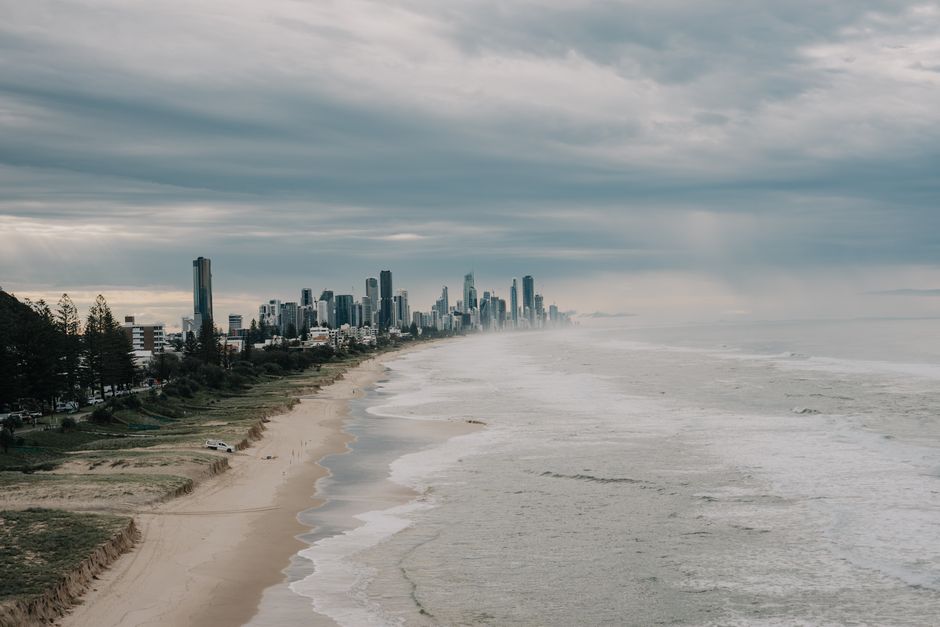
The Gold Coast City Council has announced plans to introduce new regulations on short-term rentals, sparking a mix of reactions from local officials, experts, and key figures. The regulations aim to address concerns over the impact of platforms like Airbnb on the city's housing market and neighbourhood character.
The issue of short-term rental regulation has become increasingly pressing in recent months, particularly in light of the city's ongoing construction boom and tourism recovery efforts. With the 2032 Olympics slated to bring a surge of visitors to the city, officials are under pressure to balance the needs of tourists, residents, and property owners. The council's plans have been welcomed by some as a necessary step to protect the city's liveability and affordability, while others have expressed concerns over the potential impact on the local economy.
In the Gold Coast, areas like Surfers Paradise, Main Beach, and Burleigh Heads have seen a significant proliferation of short-term rentals in recent years. The council's regulations are likely to affect properties along streets like Cavill Avenue, where high-rise apartments are often let out to tourists. Organisations like the Gold Coast Tourism Corporation and the Surfers Paradise Chamber of Commerce have been vocal about the need for sustainable tourism practices, and are likely to be closely watching the council's plans. The light rail extension, which is set to connect key destinations like the Coomera Sports Centre and Robina Stadium, is also expected to play a role in shaping the city's approach to short-term rentals.
According to data from the Australian Bureau of Statistics, the Gold Coast has seen a 25% increase in short-term rental listings over the past two years, with the average nightly rate for a one-bedroom apartment now sitting at around $120. The council's regulations are expected to affect around 12,000 properties across the city, with owners facing fines of up to $1,100 for non-compliance. As of June 2026, the city's rental vacancy rate sits at 1.4%, down from 2.1% in June 2025. With the Olympics set to bring an estimated 100,000 visitors to the city in 2032, officials are keen to ensure that the city's housing market can meet the demand for accommodation.
So what happens next? The council's plans are set to go out for public consultation in the coming weeks, with residents and property owners invited to have their say. In the meantime, officials are urging property owners to familiarise themselves with the new regulations and to consider the potential impacts on their investments. As the city continues to grow and evolve, it's clear that finding a balance between the needs of tourists, residents, and property owners will be key to ensuring the Gold Coast remains a vibrant and liveable city for all.
Spread the word
About this article
Published by The Daily Gold Coast
Daily brief
Free, in your inbox before 7am. Weekdays.
More from Gold Coast
News
News
News