As of June 2026, the Gold Coast City Council has received over 1,200 submissions on the proposed short-term rental regulation, with 70% of respondents expressing concerns about the impact of unregulated rentals on local neighborhoods.
The issue of short-term rental regulation has become a pressing concern for the Gold Coast community, particularly in light of the city's preparation for the 2032 Olympics and the anticipated influx of tourists. With the construction of new venues at Coomera and Robina, the city is expecting a significant increase in demand for accommodation, making the regulation of short-term rentals a critical issue. The Queensland Government's decision to introduce new laws governing short-term rentals has added urgency to the debate, with local residents and business owners eagerly awaiting the outcome.
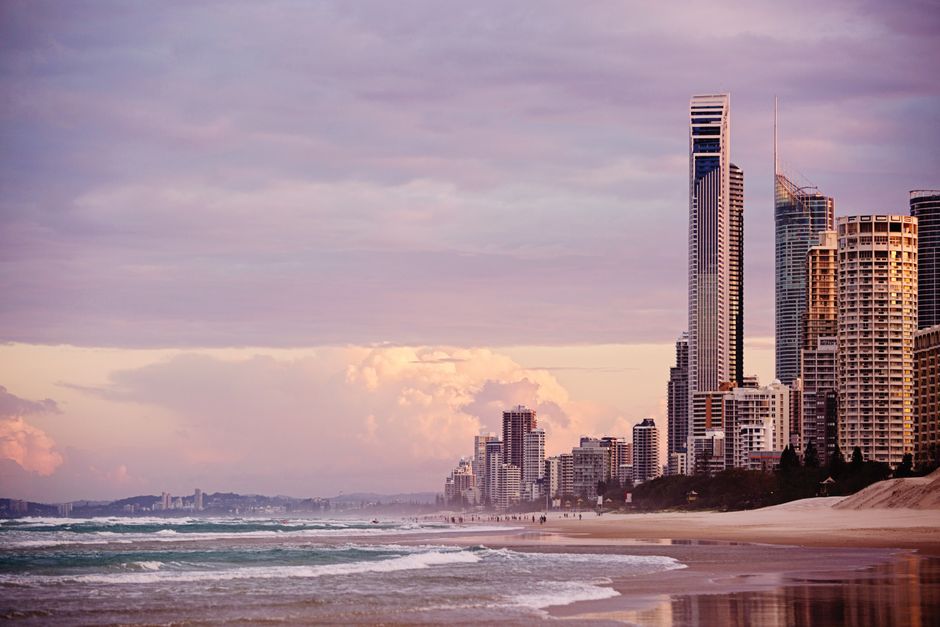
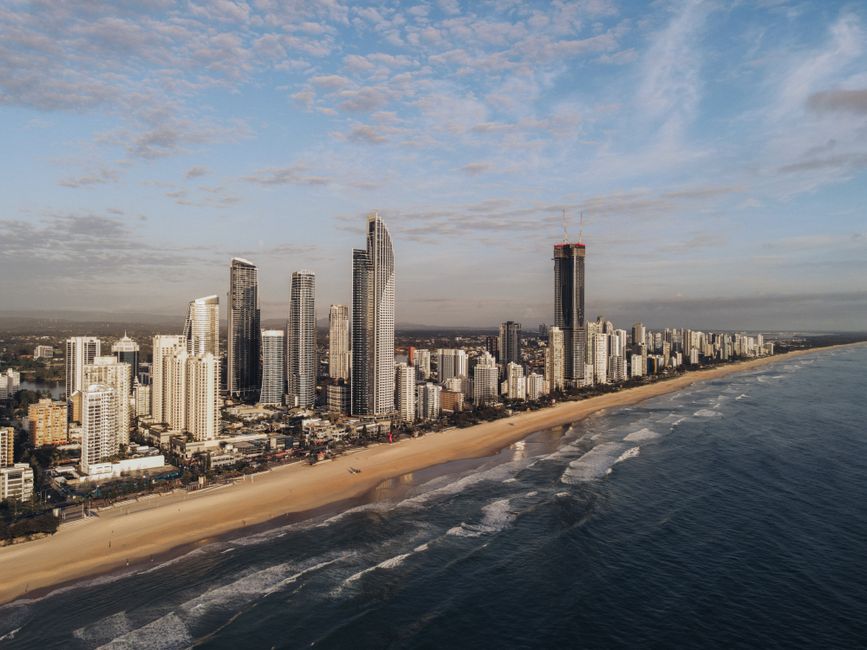
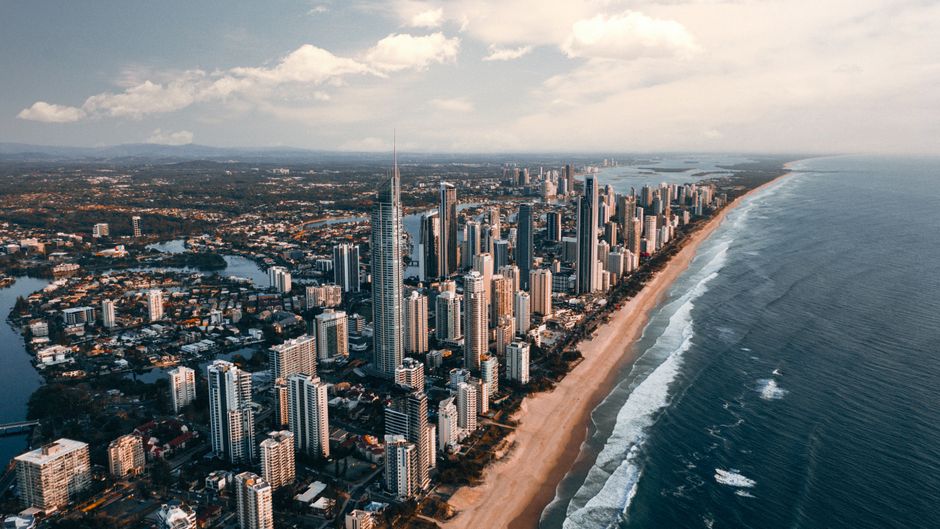
In areas like Surfers Paradise and Main Beach, the proliferation of short-term rentals has led to concerns about noise pollution, parking, and strain on local amenities. The Gold Coast Tourism Corporation has reported a 25% increase in visitor numbers over the past year, with many of these visitors opting for short-term rentals over traditional accommodation options. Organisations like the Surfers Paradise Chamber of Commerce and the Gold Coast Community Alliance have been actively engaged in the consultation process, advocating for the interests of local businesses and residents. The council's proposed regulation would require all short-term rental properties to be registered and comply with strict safety and noise standards, with fines of up to $5,000 for non-compliance.
Data-Driven Decision Making
According to data from the Australian Bureau of Statistics, the Gold Coast has seen a 30% increase in short-term rental listings over the past two years, with the majority of these listings concentrated in areas like Burleigh Heads and Kirra. The median nightly rate for a short-term rental on the Gold Coast is $250, with prices soaring to over $1,000 per night during peak season. A report by the Queensland University of Technology found that the short-term rental market is worth an estimated $1.2 billion to the local economy, but also identified concerns about the impact on housing affordability and community character. The council's regulation proposal is expected to generate significant revenue, with an estimated $1.5 million in registration fees and fines projected for the first year of implementation.
As the council continues to refine its regulation proposal, residents and business owners are advised to stay informed about the consultation process and provide feedback on the proposed changes. The Gold Coast City Council will be hosting a series of community information sessions at venues like the Robina Community Centre and the Southport Library, providing an opportunity for locals to learn more about the regulation and have their say. With the future of the city's short-term rental market hanging in the balance, it is essential that all stakeholders engage in the conversation and work towards a solution that balances the needs of residents, businesses, and tourists alike.