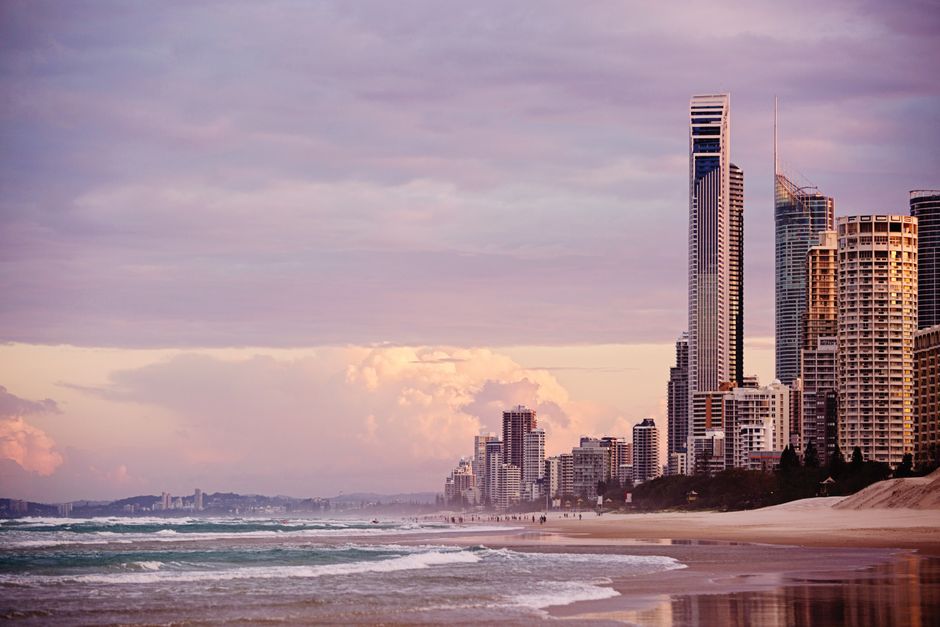
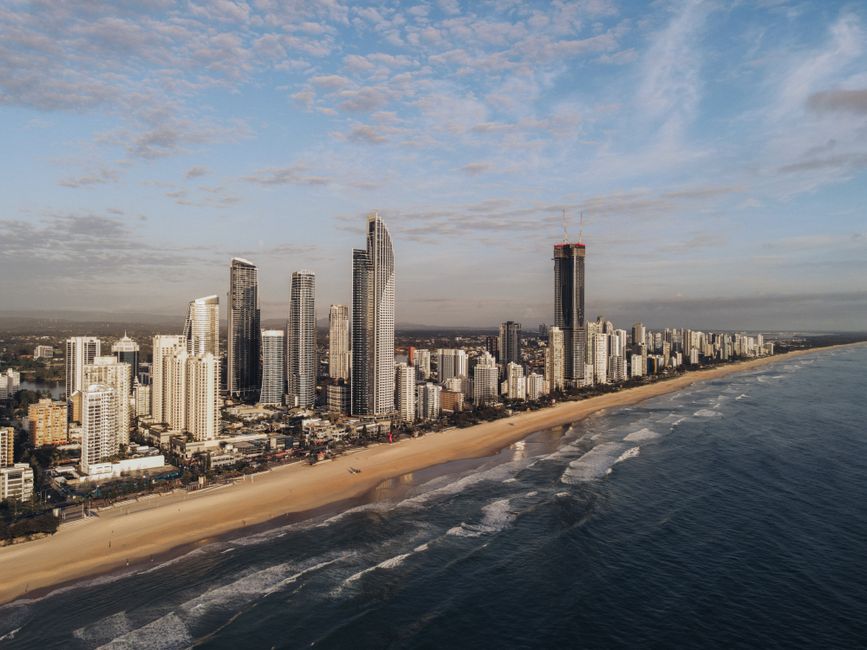
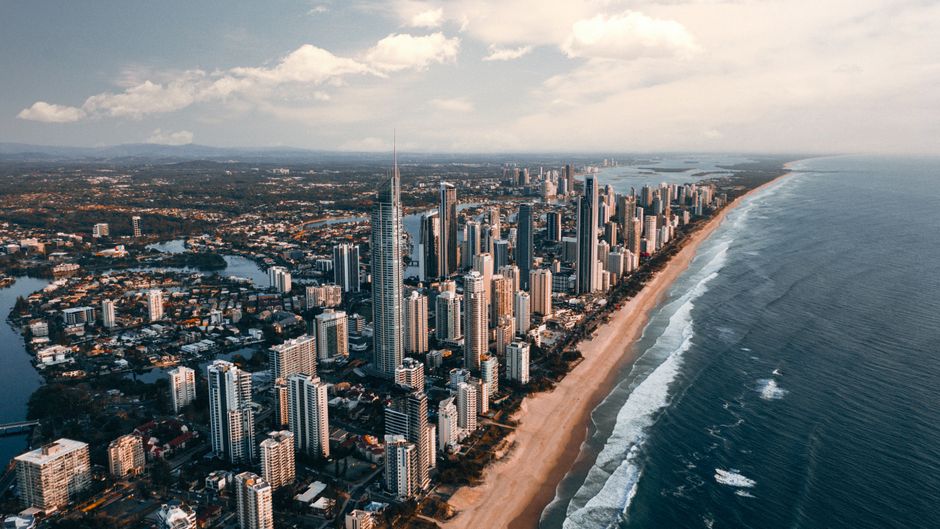
Gold Coast's property market has a visibility problem that has nothing to do with vacancy rates. Duplicate images — the same photograph appearing across multiple listings, sometimes for entirely different properties — have become a persistent fixture on real estate portals and short-term rental platforms serving the city's booming accommodation sector. The problem is old, but the pressure to address it has never been greater.
The timing matters. With the 2032 Brisbane Olympic Games locking in Coomera Arena and Coomera Indoor Sports Centre as official venues, and Robina Stadium already pencilled in for football fixtures, Gold Coast is less than six years from hosting tens of thousands of international visitors who will book accommodation digitally, often without setting foot in Australia before they arrive. A listing illustrated with recycled or mismatched photographs is not merely an aesthetic annoyance — it is a transactional risk that can generate disputes, refund claims and reputational damage for individual operators and the city's broader tourism brand.
How the Problem Took Root
The conditions for image duplication were baked into Gold Coast's development cycle from the start. The construction boom along the Broadbeach to Southport corridor through the 2010s produced hundreds of near-identical apartment towers. Developers handed the same media packages — often a single set of staged photographs — to multiple agents marketing off-the-plan units across different floors or buildings. Those images were uploaded to platforms including realestate.com.au and Domain, and later migrated into short-term rental inventory on Airbnb and Stayz as the investor-owned unit market matured.
By the early 2020s, property managers operating at scale across suburbs like Surfers Paradise, Chevron Island and Broadbeach Waters were routinely reusing hero images across their entire portfolio rather than commissioning fresh photography for each listing. The practice saved money. A professional real estate photography shoot on the Gold Coast typically costs between $200 and $450 per property depending on the size and the provider, according to publicly listed pricing from local operators. For a manager running 80 or 100 short-term rentals simultaneously, that arithmetic discouraged original imagery.
The Queensland Government's short-term rental registration scheme, which came into effect in stages from late 2023 under the Tourism Accommodation Australia Queensland framework, introduced property-level identification requirements. That was a step forward, but the registration process did not mandate original photographic verification at listing level — meaning duplicate images could persist even on formally registered properties.
What the Olympic Pipeline Is Changing
City of Gold Coast staff have been working with Tourism and Events Queensland since at least mid-2025 on destination presentation standards tied to the Games preparation timeline. That work has raised internal scrutiny of what visitors actually see when they search for accommodation in the city. Robina Town Centre, which sits adjacent to Robina Stadium and is expected to serve as a key hospitality precinct during the Games, has already attracted a wave of new apartment and hotel projects, each generating fresh listing inventory that feeds directly into the duplication problem if image governance is not built into the marketing process from the outset.
The Real Estate Institute of Queensland maintains guidelines on listing accuracy, and both realestate.com.au and Airbnb publish content policies that technically prohibit misleading images. In practice, enforcement has been complaint-driven rather than systematic. Automated image-recognition tools capable of identifying duplicates at platform scale exist and are used by major American and European portals, but their adoption in the Australian market has lagged.
For Gold Coast operators, the practical path forward starts before a listing goes live. Property managers and individual hosts can run images through reverse-image search tools before uploading, commission property-specific photography even for units in high-volume complexes, and audit existing listings annually to retire recycled photographs. The City of Gold Coast's Tourism division, which operates out of the Evandale precinct offices in Bundall, has signalled it intends to publish updated accommodation presentation guidelines before the end of 2026 — a document that industry groups will likely treat as the clearest signal yet that the era of the copy-paste listing is running out of time.