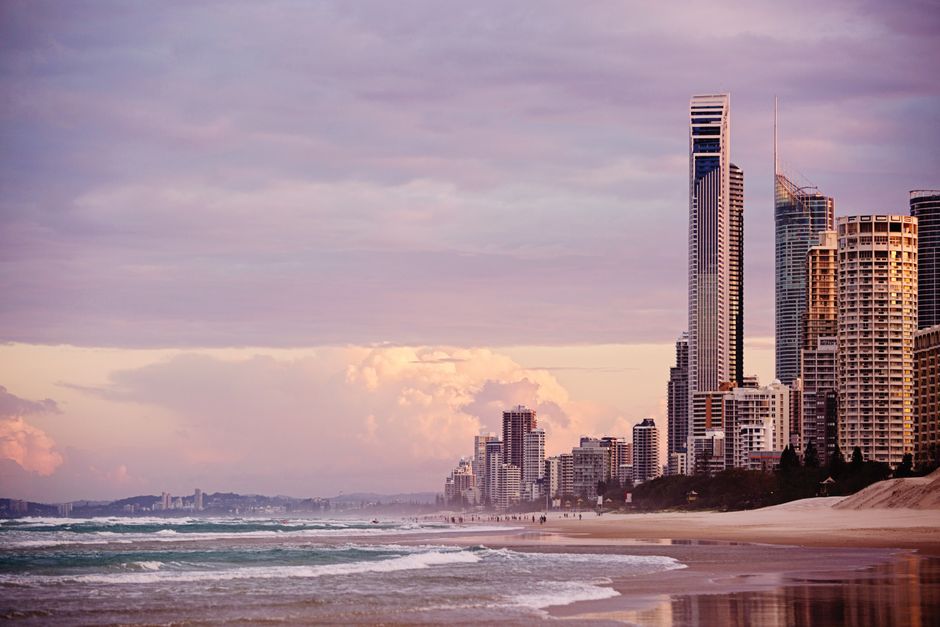
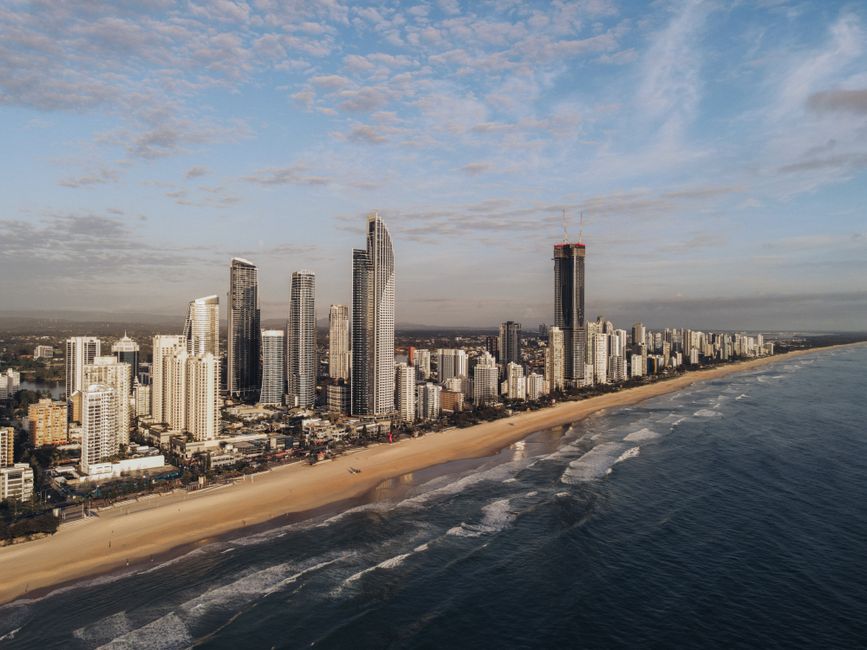
Gold Coast City Council is approaching a pivotal fork in the road on short-term rental regulation, with state-level framework decisions expected before the end of the third quarter of 2026 that will force local planners to draw firm lines they have, until now, managed to avoid drawing.
The pressure is immediate. Surfers Paradise alone has seen entire apartment blocks transition almost entirely to Airbnb-style listings over the past three years, pulling hundreds of dwellings out of the long-term rental pool at precisely the moment the city's construction pipeline — swollen by 2032 Olympic infrastructure contracts at Coomera Indoor Sports Centre and Robina Stadium — is drawing thousands of workers who need somewhere to live for twelve months, not twelve nights.
Queensland's Housing, Big Build and Manufacturing portfolio has signalled it will release a final regulatory model for short-term accommodation platforms by September 2026. That model is expected to include a registration scheme for individual properties, a data-sharing obligation for platforms operating in the state, and — most consequentially for Gold Coast — a mechanism allowing local governments to cap the number of days a residential dwelling can be listed on platforms like Airbnb or Stayz in designated residential zones.
The Decisions Council Cannot Defer
Gold Coast City Council must decide, within weeks of the state releasing its framework, whether to adopt the optional day-cap powers or leave the market unrestricted. The choice is not theoretical. Broadbeach Waters and Mermaid Beach, both predominantly low-density residential neighbourhoods, have recorded a measurable shift in housing tenure that long-term residents have raised through formal submissions to council's planning committee. The council's own housing strategy, adopted in late 2024, acknowledged affordability pressure as a tier-one concern, but stopped short of nominating short-term rentals as a primary driver.
If council opts into the cap mechanism, it will then need to set the threshold — the number most frequently discussed in similar frameworks interstate is 180 days per calendar year — and define which zones it applies to. High-density tourism precincts along the Broadwater and in Surfers Paradise central would almost certainly be exempt. The fight will be over the middle ground: the townhouse belts of Mermaid Waters, the duplex streets of Burleigh Heads, and the canal estates of Runaway Bay, where short-stay listings have multiplied fastest.
The registration scheme itself carries cost implications. Under draft models circulated at a Local Government Association of Queensland forum in May 2026, councils would administer registration, potentially charging property owners a flat annual fee to offset compliance costs. Industry groups representing property managers have argued the fee structure must not duplicate existing obligations under the Body Corporate and Community Management Act.
The Olympic Clock Adds a Layer of Urgency
The 2032 Games deadline concentrates minds. Coomera, earmarked as the venue hub for indoor sports, has already seen land values in the surrounding suburb of Ormeau rise sharply as developers land-bank ahead of anticipated infrastructure spending. Short-term rental demand in that corridor is projected to spike during Games period, which creates a perverse incentive: the closer the Games get, the more profitable it becomes to hold residential property off the long-term market in anticipation of Games-period premiums.
Council's planning division will need to decide whether its current suite of planning scheme tools — specifically the provisions under the Gold Coast Planning Scheme 2016 relating to tourist accommodation — need amendment before the state framework lands, or whether it waits and adjusts reactively. Planning attorneys who have lodged submissions on behalf of development clients have flagged that the current scheme's definitions leave a gap that allows short-term rental of entire residential dwellings without a material change of use application, provided the dwelling remains owner-occupied for part of the year.
Property owners across the city should watch September closely. If the state's regulatory model is released on schedule, council will face a statutory consultation window of roughly 60 days before it must signal its position. Owners with properties currently operating as short-term rentals in residential zones, particularly those in Mermaid Beach, Burleigh Heads and the northern canal suburbs, should seek planning advice before that window closes. The decisions made in that 60-day period will set the rules — and the economics — for the next decade.