Gold Coast's Short-Term Rental Surge: The Numbers Behind the City's Missing Homes
A growing body of data is linking the Gold Coast's soaring rental vacancy crisis directly to the platform-driven conversion of long-term housing into holiday lets.
A growing body of data is linking the Gold Coast's soaring rental vacancy crisis directly to the platform-driven conversion of long-term housing into holiday lets.
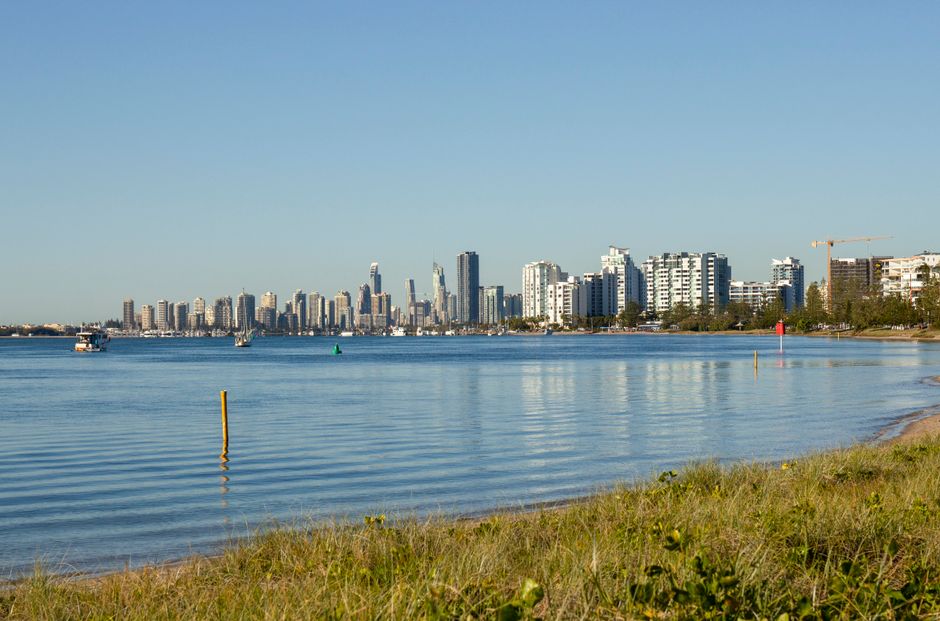
More than 12,000 properties on the Gold Coast are listed on short-term rental platforms at any given time, according to figures tracked by national housing advocacy researchers — and that single number is reshaping the argument about who the city actually houses. With the 2032 Brisbane Olympics drawing Coomera and Robina venues into international focus, operators are already repositioning properties well ahead of the games, compressing an already-tight rental pool further.
The timing matters. Queensland's broader rental vacancy rate has sat below one percent for extended periods since 2022, a threshold housing economists broadly describe as a crisis point. On the Gold Coast, suburbs closest to planned Olympic infrastructure and beach tourism corridors are bearing the sharpest pressure. Surfers Paradise and Broadbeach — where short-term listings are densest — have seen advertised long-term rents climb steeply, with two-bedroom apartments in those precincts now routinely advertised above $700 per week on Domain and realestate.com.au listings reviewed this week.
Inside Airbnb, an independent monitoring project that scrapes publicly available listing data, recorded the Gold Coast among Australia's highest-density short-term rental markets outside Sydney and Melbourne as recently as its March 2026 dataset. The platform counted active listings — defined as properties with at least one booking in the previous 12 months — concentrated along the Esplanade corridor between Surfers Paradise and Mermaid Beach, and northward through the Southport CBD fringe where older apartment stock has proven easiest to convert.
Queensland introduced a short-term rental registration framework in late 2023, requiring hosts to register properties with the state government and display a registration number on listings. As of mid-2025, the Queensland Department of Housing had confirmed tens of thousands of registrations statewide, though compliance monitoring and enforcement capacity remained points of ongoing debate in local government circles. The Gold Coast City Council, which administers planning rules separately from the state registration scheme, has received submissions through its housing strategy process calling for tighter controls on dual-key apartment conversions in medium-density zones including those around Chevron Island and Bundall.
The numbers compound quickly when layered against construction data. The Housing Industry Association's Queensland figures show apartment completions on the Gold Coast running behind dwelling approvals — a pipeline gap that means new supply is not arriving fast enough to offset conversions. Approvals for multi-residential projects in the Coomera corridor, where an Olympic venue is under development, have accelerated, but most of those units are flagged as investor stock with no covenant restricting short-term use.
For the roughly 35 percent of Gold Coast households who rent — a proportion drawn from Australian Bureau of Statistics census data — the practical consequence is a shrinking choice set in the city's most connected suburbs. A family priced out of Robina or Varsity Lakes, both within reasonable distance of the under-construction Coomera Arena precinct, is pushed toward Ormeau or Pimpama, where commute times and transport options differ substantially. The Gold Coast Light Rail Stage 3 extension toward Burleigh Heads does not yet reach those northern growth corridors.
City Council's housing and homelessness strategy, currently in its 2024-2029 implementation phase, includes a target of advocating to the state for a short-term rental levy, with revenue hypothecated toward affordable housing. No levy has been legislated as of July 2026. The Minns government's political difficulties in NSW — flagged publicly at Labor's state conference this weekend — serve as a reminder nationally that housing affordability politics can erode incumbencies, a pressure Queensland's LNP government, holding every Gold Coast seat, will not be immune to as Olympic-era displacement stories multiply.
Renters and property managers operating in the current market should check the Queensland Residential Tenancies Authority's rent increase guidelines before signing new leases, and verify that any apartment advertised for long-term rent carries a valid state short-term rental registration number if it has previously been listed on platforms — a cross-check that can reveal whether a landlord is likely to revert the property to holiday use after a short tenancy expires.
Spread the word
About this article
Published by The Daily Gold Coast
Daily brief
Free, in your inbox before 7am. Weekdays.
More from Gold Coast
News
News
News