Thousands of Gold Coast properties are being listed more than once across short-term rental platforms, inflating occupancy figures, skewing affordability research and complicating the City of Gold Coast's own attempts to count how many dwellings have been pulled from the long-term rental market. The issue of duplicate image replacement — where landlords repost identical properties under new listings using substituted photos — has emerged as a measurable distortion in the city's housing dataset.
The timing matters. Queensland's government is finalising regulations under the Short-term Rental Accommodation Act 2024, with mandatory registration for hosts expected to take effect progressively through late 2026. Accurate baseline data is the foundation of that framework. If the raw listing numbers local planners are working from are artificially inflated by duplicate entries dressed up with swapped cover images, the regulatory model being built on top of them is already compromised.
Surfers Paradise to Broadbeach: Where the Data Distortion Clusters
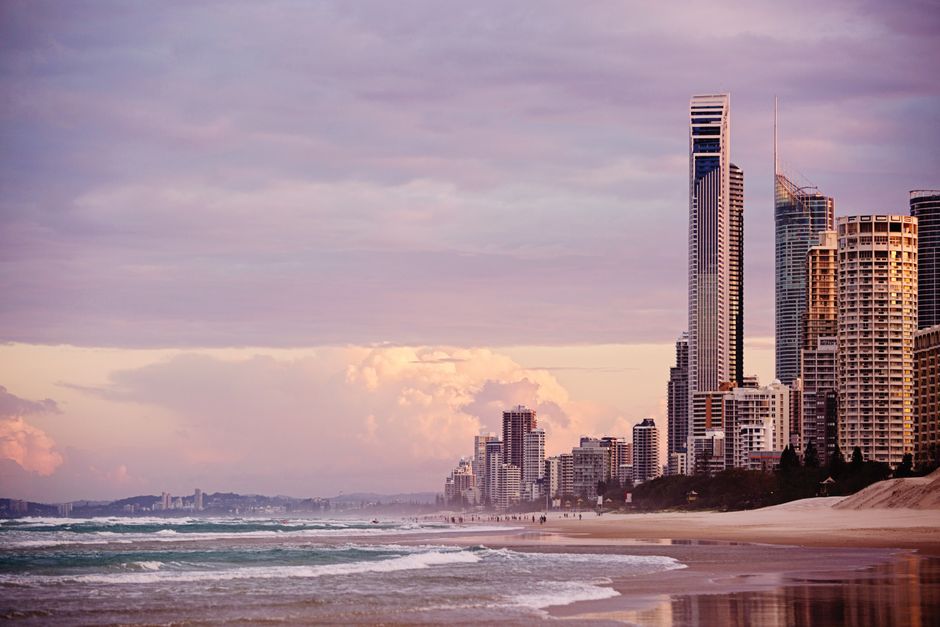
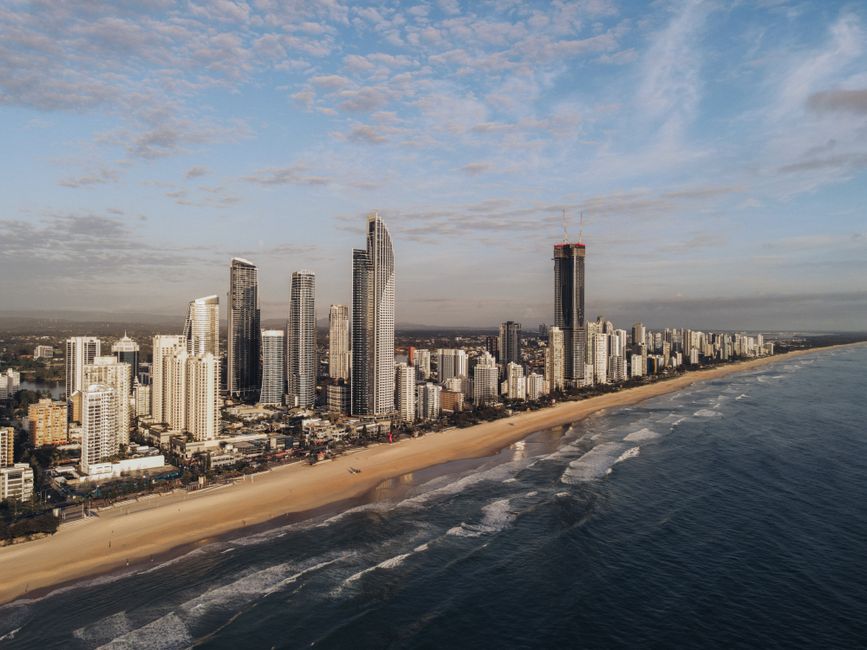
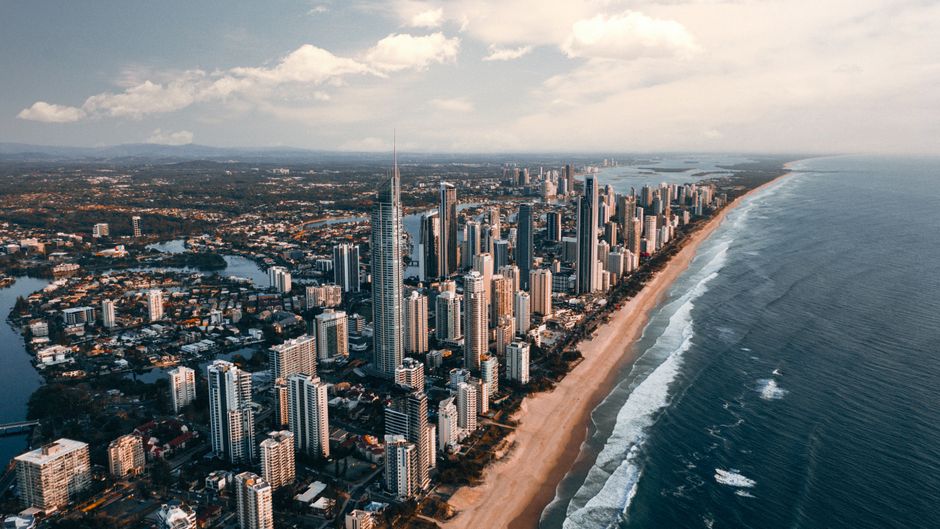
The problem is concentrated along the coastal strip. Surfers Paradise, where more than 12,000 apartments sit in high-density towers between the Nerang River and the beach, is the most exposed postcode. Broadbeach — home to the Star Gold Coast casino precinct and a pipeline of new builds on the Ocean Avenue and Surf Parade corridors — runs a close second. In both suburbs, property managers operating multiple units within the same building routinely recycle interior photography with minor edits or new hero images to create what appear to be distinct listings.
Data aggregators tracking Airbnb and Stayz across the Gold Coast local government area have flagged this pattern. One publicly available analysis by short-term rental research firm AirDNA, covering the 12 months to March 2026, recorded more than 18,400 active listings across the Gold Coast. Independent housing researchers examining the same period using reverse image search tools identified a material share — estimated conservatively at between 8 and 12 per cent — as probable duplicates of existing active listings. At the midpoint of that range, that represents roughly 1,840 phantom listings padding the city's short-term rental count.
For renters and first-home buyers, the downstream effect is real. If planners believe there are 18,000-plus short-term rental properties, their models for estimating long-term rental supply compression look less severe than they actually are. The Rental Affordability Index published by National Shelter in late 2025 rated the Gold Coast as critically unaffordable for households earning the median income, with median asking rents for a two-bedroom apartment sitting above $700 per week in several coastal suburbs.
What Happens When the Register Goes Live
Queensland's mandatory short-term rental register is the mechanism most likely to cut through the duplication problem. Under the scheme being administered by the Department of Housing, Local Government, Infrastructure and Planning, each property will receive a unique registration number that must appear on every listing. Post that registration wall goes up, the same address cannot legitimately carry two distinct listing identifiers.
The City of Gold Coast's Planning and Environment division has been cross-referencing listing data with its rates database since early 2025 as part of preparation for the Olympic precinct work at Coomera Indoor Sports Centre and Robina Stadium, both designated 2032 venues. Accurate short-term accommodation stock figures feed directly into legacy-use planning for those precincts once the Games are done.
For landlords operating in good faith, the practical advice is straightforward: consolidate listings onto a single verified entry per property before the registration deadline, and ensure that listing carries the registered property address exactly as it appears on the title. Hosts who carry duplicate listings into the registration period face the risk of having one or both entries invalidated, with platforms required to delist non-compliant properties.
The register's staggered rollout means hosts in higher-density local government areas — which puts Surfers Paradise and Broadbeach at the front of the queue — are expected to face compliance requirements earliest. The Queensland government has not yet published the exact trigger dates for each tier, but housing industry groups have been briefed to expect formal notices before the end of the third quarter of 2026.