The Numbers Behind Gold Coast's Short-Term Rental Surge: What the Data Actually Shows
From Surfers Paradise apartment blocks to Coomera family homes, the statistics reshaping Gold Coast's rental market tell a story the city can no longer ignore.
From Surfers Paradise apartment blocks to Coomera family homes, the statistics reshaping Gold Coast's rental market tell a story the city can no longer ignore.
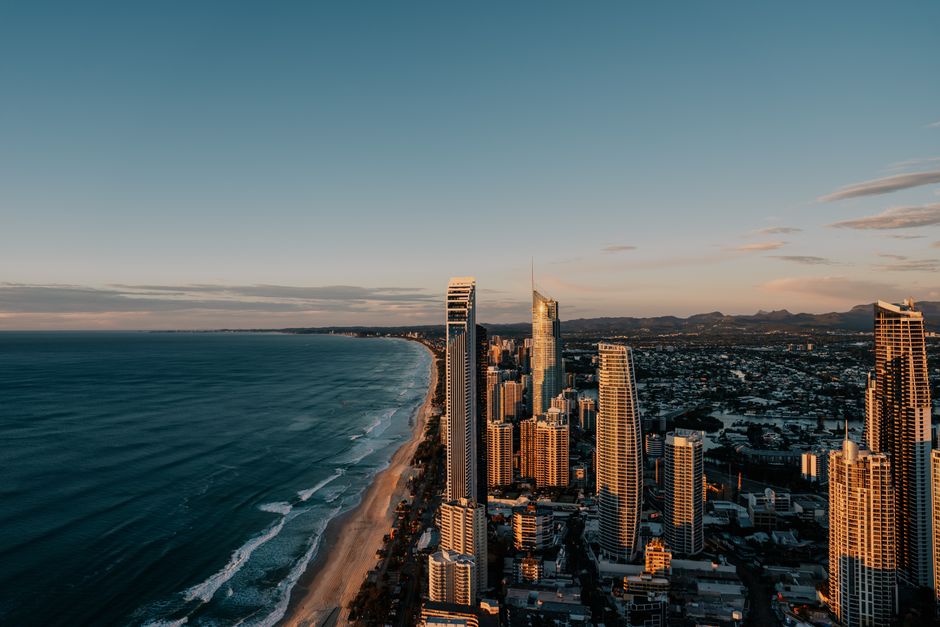
More than 12,000 Gold Coast properties were listed on short-term rental platforms including Airbnb and Stayz as of the June 2026 quarter, according to figures compiled by property analytics firm SQM Research — a number that has more than doubled since the 2020 pandemic low. That single figure sits at the heart of a housing affordability debate that is growing louder by the week across the city's coastal suburbs and Olympic venue corridors alike.
The timing matters. Queensland's Parliament is currently examining a regulatory framework for short-term rental accommodation that the state government flagged for implementation before the 2032 Brisbane-Southeast Queensland Olympics. With Coomera Arena and Robina Stadium already confirmed as Games venues, planners and community advocates have been pressing for rules that prevent an Olympic-driven speculative wave from further hollowing out long-term rental supply in their catchment areas.
Gold Coast's residential vacancy rate sat at 0.8 per cent in May 2026, according to the Real Estate Institute of Queensland — well below the 3 per cent threshold economists generally consider a balanced market. Broadbeach Waters, Mermaid Beach and Palm Beach recorded some of the tightest conditions, with property managers in those areas reporting waiting lists for long-term leases stretching beyond two months. Meanwhile, CoreLogic data from the same period shows the median weekly rent for a two-bedroom unit in Surfers Paradise reached $780, up from $580 in mid-2023.
The supply problem has a specific shape. Research published by the University of Queensland's School of Economics in March 2026 estimated that converting just 10 per cent of active short-term rental listings in a given city back to long-term tenure would add measurably to rental supply in high-pressure markets. Applied to Gold Coast's current listing count, that conversion rate would theoretically return roughly 1,200 dwellings to the long-term pool — a figure that dwarfs the 340 social housing units the Queensland Government committed to deliver in the city under the 2023 Housing Horizon program.
The proposed Queensland framework, last publicly detailed in a Department of Housing consultation paper released in November 2025, would require short-term rental hosts to register with a state portal, pay an annual fee, and in certain designated areas obtain approval to list a property that is not their primary residence. The Gold Coast City Council has not yet formally designated any local government area precincts as restricted zones, but internal council briefing documents tabled at the March 2026 planning committee meeting — reported at the time by the Gold Coast Bulletin — indicated Chevron Island and Labrador were under consideration.
Hosts operating without registration under the proposed rules would face fines. The draft paper listed penalties of up to $15,669 for individuals and $78,345 for corporations — figures drawn directly from Queensland's existing planning enforcement scale. Industry group Short Term Rental Association Australia has previously raised concerns about the compliance burden for small operators, though the organisation's formal submission to the consultation process is a public document rather than a fresh statement to this publication.
For renters and would-be long-term tenants, the practical upshot is that any meaningful shift in supply will lag regulatory change by at least one tenancy cycle. If the Queensland framework passes before the end of 2026 and council moves quickly on designation decisions, the earliest a measurable stock adjustment could appear in vacancy data is mid-2027 — still five years ahead of the Olympics torch arriving in Brisbane. Residents in Coomera and the northern growth corridor, where new housing estates continue to sell off the plan at prices starting around $720,000 for a three-bedroom home, are watching that timeline closely. The data has been accumulating for years. What changes next is whether anyone acts on it.
Spread the word
About this article
Published by The Daily Gold Coast
Daily brief
Free, in your inbox before 7am. Weekdays.
More from Gold Coast
News
News
News