More than one in five residential dwellings listed for rent on the Gold Coast last financial year was offered as a short-term rental rather than a long-term tenancy, according to property analytics compiled by the Australian Housing Data Institute for the 2024-25 period. That ratio, sitting well above the national average of around one in eight, has sharpened calls from community groups and local councillors to introduce mandatory registration and occupancy caps before the 2032 Brisbane Olympics accelerates the problem further.
The timing matters. Gold Coast City Council is mid-review of its short-term accommodation framework, with a formal submission period closing in August 2026. Olympic infrastructure at Coomera Indoor Sports Centre and Robina Stadium is already drawing investor interest to surrounding suburbs, pushing house prices and reshuffling the rental mix in ways residents say they can feel on streets that used to be quiet family neighbourhoods.
Suburb by Suburb: Where the Listings Are Concentrating
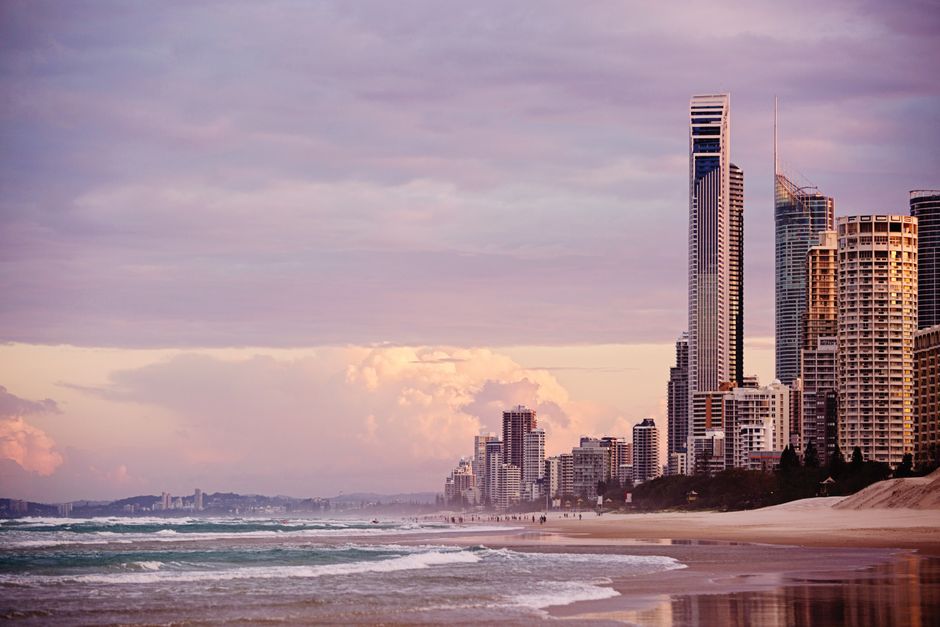
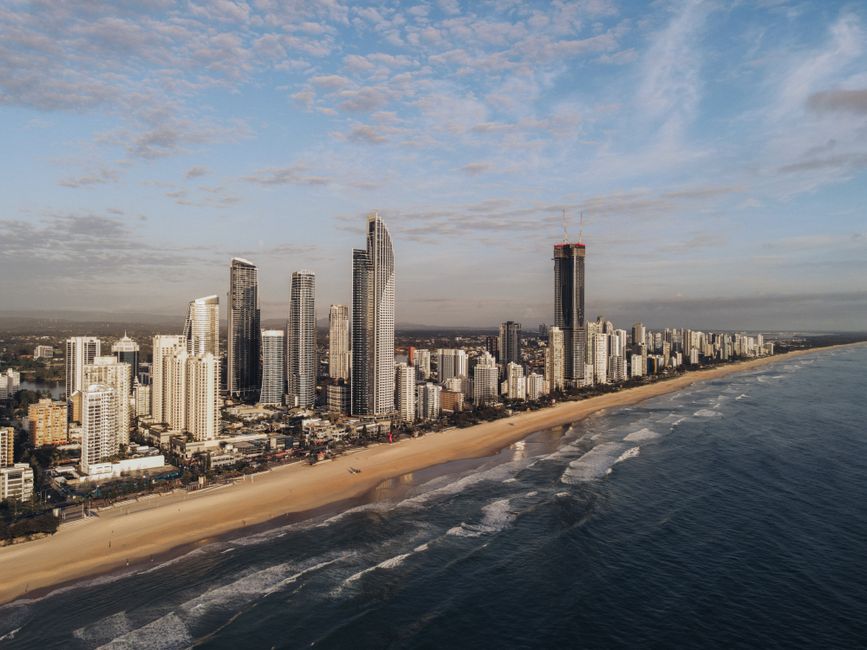
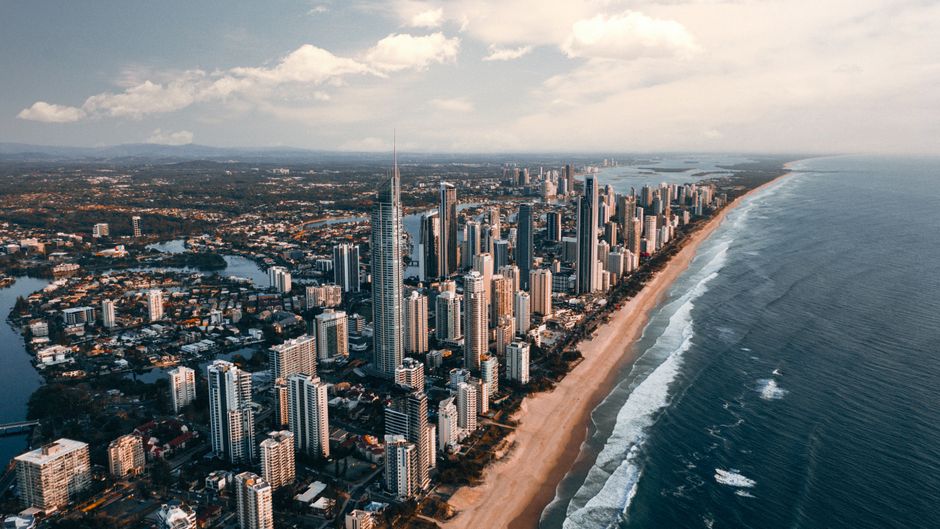
Surfers Paradise remains the epicentre. The suburb, bounded roughly by the Nerang River to the west and the Pacific Ocean frontage along the Esplanade, accounted for an estimated 4,200 active short-term listings during peak season in January 2026, according to data the Gold Coast housing advocacy group Homes Not Hotels cited in its March 2026 submission to Council. Broadbeach followed, with listings clustered around the Oracle Boulevard precinct pushing vacancy rates for conventional 12-month leases to under 1.2 per cent, a figure Homes Not Hotels described as a crisis threshold in that submission.
Further north, Palm Beach and Currumbin, traditionally owner-occupier communities, have recorded the fastest growth in new short-term listings over the past 24 months. Property management platforms active in those corridors have marketed beachfront units at nightly rates ranging from $280 to over $650, yields that make long-term leasing economically unattractive for many landlords even after platform fees and cleaning costs are factored in.
The Olympic effect is already visible in the data. Coomera, a suburb that will host competition venues for the 2032 Games, saw median house prices rise from approximately $720,000 in mid-2023 to around $890,000 by March 2026, based on figures published by the Real Estate Institute of Queensland in its first-quarter 2026 market update. Investor-owned dwellings now account for a growing share of that stock, and local advocacy groups argue that without registration requirements, a significant portion will migrate to short-term platforms as the Olympics countdown tightens.
What the Council Review Could Change
Queensland's Planning Act 2016 currently gives local governments limited direct power to cap short-term rental numbers, but councils can impose conditions through planning scheme amendments and development approvals. Gold Coast City Council's review is examining three possible regulatory tiers: a voluntary code of conduct, a mandatory registration scheme modelled on Byron Shire's 2023 framework, and a hard cap on the percentage of dwellings in defined precincts that can operate as short-term rentals at any one time.
Byron Shire's cap, set at 60 days per year for non-hosted properties in certain zones, reduced active listings in targeted areas by roughly 23 per cent within 12 months of introduction, a figure Queensland housing researchers have pointed to as a benchmark for what Gold Coast might expect under a comparable model.
For renters currently searching the market, the practical calculus is stark. The median weekly rent for a two-bedroom apartment in Southport hit $680 in the June 2026 quarter, up from $530 two years earlier, according to the Real Estate Institute of Queensland. That 28 per cent increase in 24 months has pushed hundreds of essential workers, hospitality staff, healthcare workers, tradies building the Olympic venues, into longer commutes from Logan and the southern suburbs.
Council's review submissions close on 15 August 2026. Residents, property owners and industry bodies can lodge responses through the Gold Coast City Council planning portal or in person at the Nerang Street offices in Southport. Whatever framework emerges will need to be in place before 2028, when Olympic-related accommodation demand is expected to begin distorting the market in earnest.