The Numbers Game: What Gold Coast's Short-Term Rental Surge Really Looks Like in the Data
Duplicate listings, ghost properties and inflated inventory figures are distorting what anyone can actually know about housing supply on the Gold Coast.
Duplicate listings, ghost properties and inflated inventory figures are distorting what anyone can actually know about housing supply on the Gold Coast.
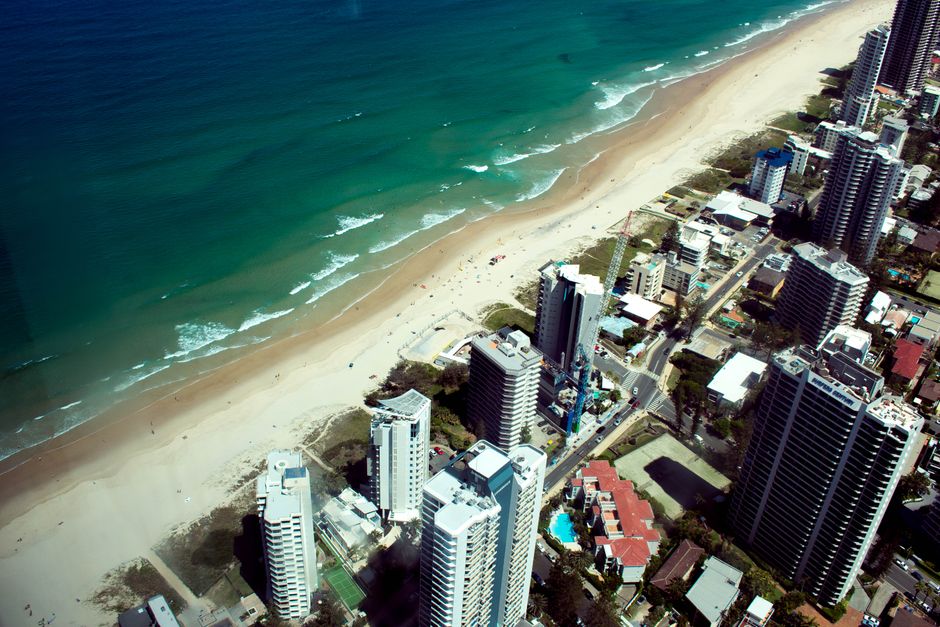
Thousands of Gold Coast properties listed across multiple short-term rental platforms are being counted more than once — and the double-up is quietly skewing every housing metric the city uses to make planning decisions. A single apartment in Surfers Paradise can appear on Airbnb, Stayz and Booking.com simultaneously, logged as three separate dwellings in raw data pulls, inflating apparent short-term rental supply figures by a margin that researchers say makes reliable analysis nearly impossible.
The problem has landed squarely in front of planners at a critical moment. Gold Coast City Council is finalising its Short-Term Rental Accommodation framework ahead of Queensland's state-wide regulatory push, which is due to take effect before the 2032 Brisbane Olympic Games. Two of the Games' key venues — Coomera Indoor Sports Centre and Coomera Arena, plus Robina Stadium — sit within the Gold Coast local government area, and accommodation demand modelling for the Olympic period depends entirely on knowing how much rental stock actually exists, not how many times it has been listed.
Analysis released earlier this year by the Australian Housing and Urban Research Institute found that cross-platform duplication in short-term rental datasets can overstate supply by between 15 and 40 per cent in high-demand coastal markets. The Gold Coast, with its concentration of managed apartments along the Broadbeach to Coolangatta strip, sits firmly in that high-duplication category. A single managed building on Cavill Avenue can have each of its 80 short-stay apartments listed on three platforms, producing 240 data points in a raw scrape when the real number is 80 units.
The Queensland Government's own rental stress data, published through the Department of Housing, already flags the Gold Coast as one of the tightest rental markets in the state. The residential vacancy rate in the city sat at approximately 0.9 per cent in the March 2026 quarter, according to the Real Estate Institute of Queensland. But if the number of genuine short-term rentals has been overstated by even 20 per cent in the models used to set policy, the case for converting those properties back to long-term housing use looks significantly stronger than the current figures suggest — and the regulatory settings being designed right now may not reflect that reality.
Gold Coast City Council's planning directorate has been working with property data firm CoreLogic to build a deduplicated register of short-term rental properties, cross-referencing Australian Business Numbers, council rates records and platform listing identifiers. The project, known internally as the STRA Property Register, was first flagged in council budget documents for the 2025–26 financial year. Progress has been slower than anticipated, partly because platform APIs — the data feeds that would allow automatic cross-matching — are not standardised across providers.
Strip out the duplicates and the city's picture changes fast. Organisations including the Gold Coast Homelessness Coalition, which operates from offices in Southport, have argued for years that inflated short-term rental counts have been used — inadvertently or otherwise — to underplay pressure on the long-term rental market. With Robina Town Centre precinct and the Coomera corridor both earmarked for significant residential development ahead of 2032, accurate baseline figures matter for everything from infrastructure levies to school enrolment projections.
Property managers operating buildings on Orchid Avenue and along the Broadwater Parklands precinct say the duplication issue also distorts their own pricing signals. When aggregator sites show apparently abundant supply, algorithms push nightly rates down — even in weeks when genuine vacancy is close to zero.
The practical path forward involves three steps that planning experts have consistently recommended to other local governments facing the same problem: mandatory platform registration with a unique property identifier, real-time data-sharing agreements with at least the top three booking platforms, and quarterly audits that reconcile registered addresses against rates database records. Byron Shire Council in northern New South Wales introduced a registration scheme in late 2024 and reported a measurable improvement in data accuracy within two reporting cycles. Gold Coast's own STRA Property Register, if fully operational by mid-2027 as the council timeline suggests, would give Olympic planners and housing authorities their first genuinely clean snapshot of what the city's short-stay market actually holds.
Spread the word
About this article
Published by The Daily Gold Coast
Daily brief
Free, in your inbox before 7am. Weekdays.
More from Gold Coast
News
News

News