Gold Coast at Crossroads: Which Way on Housing and High-Density Development?
As land availability tightens and affordability pressures mount, the city faces critical decisions about whether to build up or out—and who bears the cost.
As land availability tightens and affordability pressures mount, the city faces critical decisions about whether to build up or out—and who bears the cost.

The Gold Coast stands at a pivotal moment in its urban evolution. With median house prices now exceeding $1.2 million across established beachside suburbs and rental vacancy rates hovering below 1 per cent, council planners and state government officials are grappling with fundamental questions about the city's future shape and character.
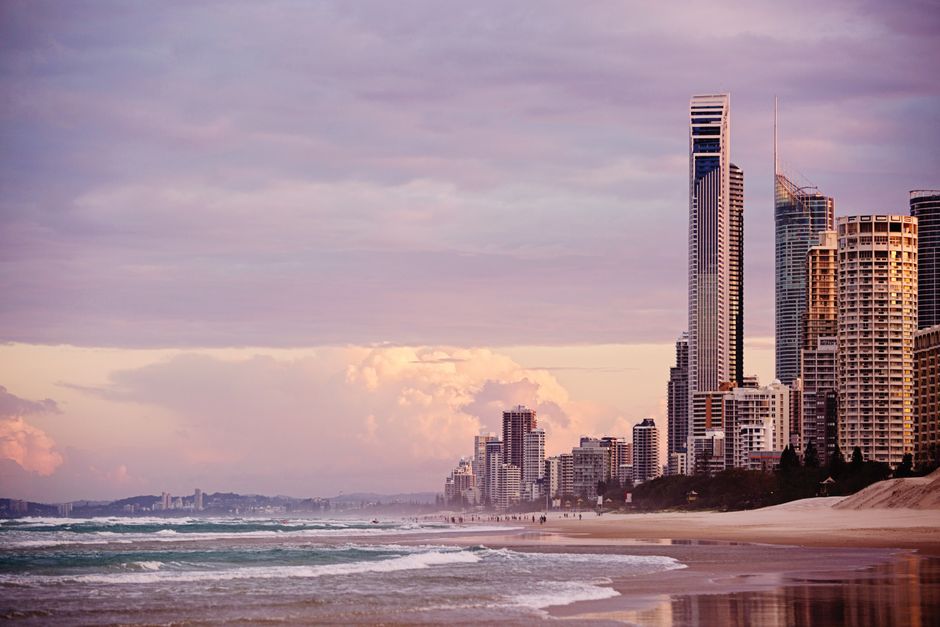
At the heart of the debate lies a tension between competing visions. One pathway points toward intensification—encouraging medium and high-density residential development along established corridors like the M1 corridor between Southport and Nerang, and around existing commercial hubs in Surfers Paradise and Broadbeach. The alternative maintains suburban sprawl patterns, pushing development further inland toward areas like Coomera and the hinterland fringes.
The numbers tell a compelling story. Gold Coast City Council's latest growth projections estimate an additional 200,000 residents within two decades. At current development rates, that demand cannot be met without significant policy shifts. The question is no longer whether change will come, but what shape it takes.
Several critical decisions loom. First, the council must clarify zoning permissions along major transport nodes. Will areas surrounding Robina Station and proposed light rail extensions see genuine mixed-use development, or will restrictive planning overlays continue to privilege single-family residential use? Second, there's the affordability question. Developer contributions toward social and affordable housing—particularly in high-demand precincts like Surfers Paradise and the Broadbeach corridor—remain contentious. Current levies generate modest funding, yet housing stress affects service workers across the city.
A third decision concerns infrastructure investment. Inland suburbs like Oxenford and Gilbertson face bottleneck traffic during peak hours. Water and sewerage capacity constraints in some areas make rapid development problematic. Planners must determine whether state government funding will follow new housing or lead it.
Environmental considerations add another layer. Wetland protection around Tallebudgera and sustainable stormwater management in newly developing precincts have become non-negotiable, yet they increase construction costs. The trade-off between environmental stewardship and housing supply remains unresolved.
Industry bodies including the Urban Development Institute Queensland and local property councils have called for clarity. Investors and developers need transparent long-term planning frameworks rather than reactive policymaking. Community groups, meanwhile, advocate for livability protections—ensuring that growth doesn't erode the beachside character and open spaces that define the Gold Coast identity.
State planning minister direction, expected within months, will signal which pathway dominates. The city's housing future—and its liveability—depends on decisions made in the next two quarters.
This article was compiled by AI from the sources linked above and screened before publishing. See our editorial standards.
Spread the word
About this article
Published by The Daily Gold Coast
Daily brief
Free, in your inbox before 7am. Weekdays.
More from Gold Coast