Gold Coast Transport Crisis: 30 Years of Delayed Planning
Decades of reactive planning amid population booms left infrastructure behind. Here's what must change in the next 10 years.
Decades of reactive planning amid population booms left infrastructure behind. Here's what must change in the next 10 years.
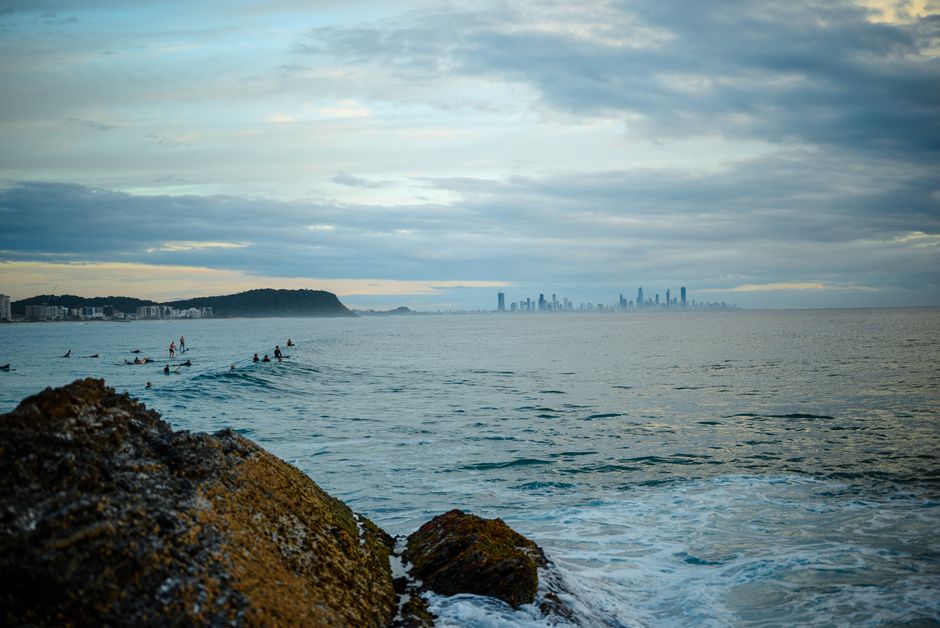
The Gold Coast's transport infrastructure tells the story of a city that grew faster than its own ability to plan for it. Today, as gridlock clogs the M1 during peak hours and public transport struggles to serve our 700,000-plus residents, understanding how we arrived at this junction is essential to imagining where we go next.
For much of the late 1980s and 1990s, the Gold Coast boomed without brakes. Developers built apartments and houses in Surfers Paradise, Broadbeach, and inland suburbs like Nerang at breakneck pace, but transport planning lagged by years. The M1 motorway, which opened sections between 1981 and 1986, became the city's arterial lifeline—and eventually, its bottleneck. Planners assumed capacity would suffice; residents' lived experience proved otherwise.
The light rail network, initially proposed in the 1980s, didn't see its first stage open until 2014—three decades later. The G:link service between Southport and Broadbeach, extended to Helensvale by 2017, now carries over 15 million passengers annually. Yet its construction exposed a fundamental gap: earlier investment in rapid transit could have reshaped settlement patterns entirely.
Congestion costs the Gold Coast economy an estimated $3.6 billion annually in lost productivity, according to infrastructure analysts. The average commute from Mudgeeraba to the CBD has stretched to 45 minutes during rush hour—a figure that would have been unimaginable when the city had 150,000 residents in 1985.
The Cross River Rail project, originally floated in the early 2000s as a regional connector linking the Gold Coast to Brisbane's transport network, has been repeatedly delayed and reimagined. What began as an audacious vision for metropolitan integration became a victim of budget constraints and shifting political priorities. Only now, with population projections suggesting we'll reach one million residents by 2051, are serious conversations resurfacing about genuine north-south rail connectivity.
The story of our transport infrastructure is ultimately one of crisis-driven decision-making. Governments reacted to congestion rather than anticipating it. Investment in buses and the light rail came only after traffic became unbearable. Parking buildings rose in Southport's CBD because no one planned adequate alternatives.
As the Gold Coast Council and state government contemplate the next generation of transport projects—from bus rapid transit corridors to potential inland rail spurs—they're confronting a hard lesson learned through decades: building the city you want is far cheaper and less disruptive than retrofitting the city you've already grown.
This article was compiled by AI from the sources linked above and screened before publishing. See our editorial standards.
Spread the word
About this article
Published by The Daily Gold Coast
Daily brief
Free, in your inbox before 7am. Weekdays.
More from Gold Coast