From Surfers Paradise to Tech Hub: How One Gold Coast Entrepreneur is Reshaping the City's Job Market
As unemployment pressures mount nationally, a local business leader is proving the Gold Coast can compete globally—and create high-skilled jobs in the process.
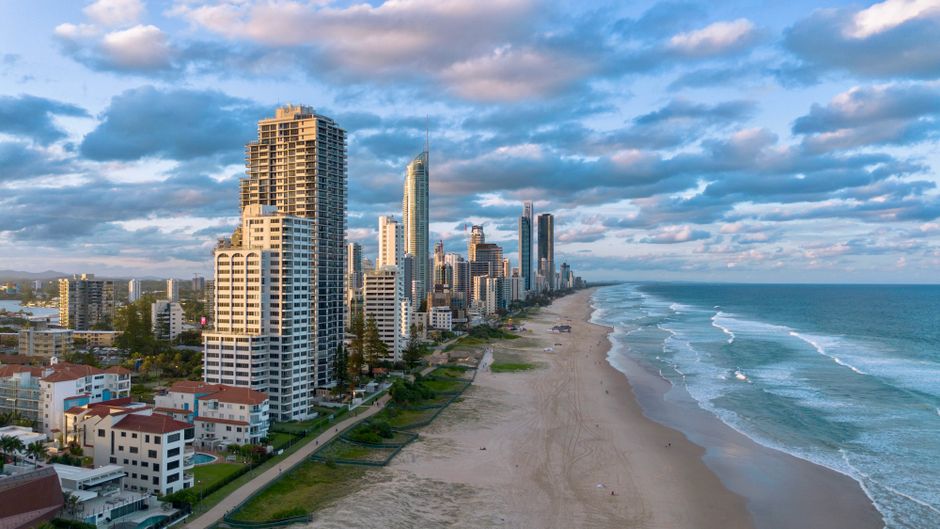
On a Thursday afternoon in the gleaming office tower overlooking Broadbeach, Mermaid Beach entrepreneur Sarah Chen is fielding calls from recruiters in Sydney and Melbourne. Her software development firm, which occupies two floors of the Chevron Renaissance precinct, has grown from a five-person startup in 2019 to a 127-person operation today—making it one of the Gold Coast's largest tech employers outside tourism and hospitality.
"The Gold Coast has been pigeonholed as a retiree and holiday destination for too long," Chen says, reflecting on her decision to anchor her operations here rather than follow the conventional path to Silicon Valley or the Eastern Seaboard tech corridors. "What we're proving is that creative, knowledge-intensive work doesn't need a city's congestion or its property prices."
Her trajectory mirrors a broader shift in the Gold Coast's economic landscape. While the city's unemployment rate hovers near 4.2%—marginally above the national average of 3.8%—sectors like digital services, creative industries, and advanced manufacturing are quietly absorbing skilled workers at rates that challenge conventional wisdom about the region's economic resilience.
Chen's company, which develops cloud-based logistics software for regional distribution networks, has created ripple effects across Southport and Broadbeach. Her payroll now tops $8.4 million annually, with average salaries for developers ranging from $75,000 to $140,000—figures that have begun attracting talent from interstate. The firm's recent expansion into artificial intelligence applications has necessitated recruitment drives at Griffith University and the University of the Sunshine Coast, signaling growing demand for locally trained graduates.
"Five years ago, we were losing people to Melbourne constantly," says recruitment consultant Michael Torres, whose firm operates from an office on Cavill Avenue. "Now we're seeing reverse migration—professionals choosing the lifestyle factor and the lower cost of living."
Yet challenges remain. Access to venture capital, limited university research partnerships, and infrastructure gaps around Robina still constrain growth. The city's median commercial property rates, while lower than Sydney, have climbed 18 percent since 2022.
Still, Chen's expansion plans—she's eyeing additional space in Varsity Waters—suggest confidence in the region's trajectory. "The Gold Coast's time as a serious business hub isn't coming," she says. "It's already here. We're just making sure people notice."
This article was compiled by AI from the sources linked above and screened before publishing. See our editorial standards.