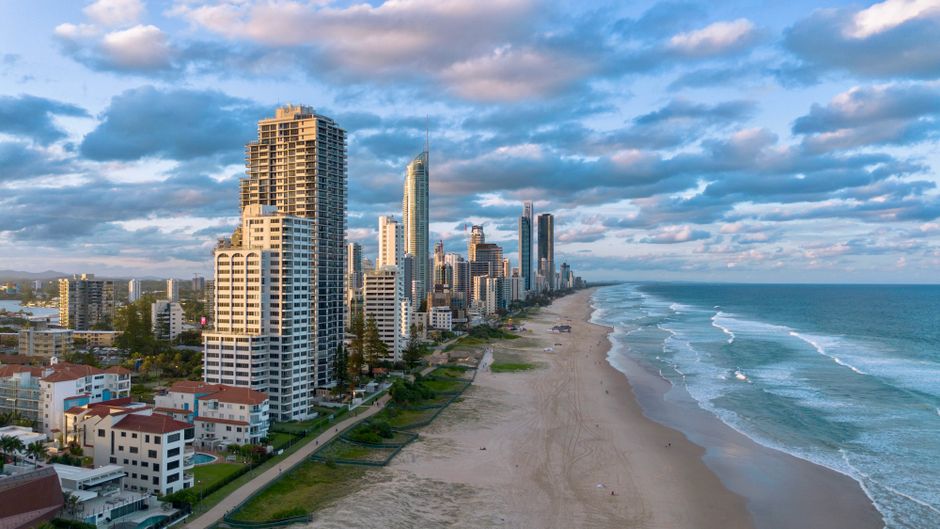
Interest rate changes are reshaping Gold Coast business lending. Learn how rising rates impact small business confidence, credit conditions, and investment decisions across Broadbeach and Surfers Paradise.
Walk along the Broadbeach Boulevard precinct or through the Surfers Paradise business district today, and you'll notice a subtle shift in the investment landscape. The Reserve Bank's recent monetary policy decisions have created a ripple effect that small business owners can no longer ignore—and understanding these economic signals could mean the difference between growth and stagnation.
The Australian Bureau of Statistics released updated data this quarter showing that regional business confidence on the Gold Coast has plateaued at 42 index points, down from the mid-50s recorded in early 2024. For entrepreneurs operating hospitality venues, retail shops, or professional services across areas like Southport and Main Beach, this translates directly into tighter credit conditions and higher borrowing costs.
"Economic indicators like the employment rate and consumer spending patterns are the real barometers," explains the consensus among Gold Coast Chamber of Commerce advisors. The region's unemployment rate currently sits at 3.8 percent—marginally above the national average—while retail trade volumes have contracted by 1.2 percent year-on-year. These aren't abstract figures: they mean fewer customers walking into businesses along the Gold Coast Highway, and banks reassessing lending appetite.
The investment flows tell another story. Property development in mixed-use precincts around Nobby Beach and the Broadwater remain robust, with approximately $2.3 billion in approved projects currently underway. However, this capital concentration in large-scale infrastructure masks uneven conditions for small operators. Commercial lease rates in premium Surfers Paradise locations have climbed to $850 per square metre annually—up 8 percent since mid-2025—pricing out many emerging entrepreneurs.
What's crucial to understand is the divergence between different indicators. While construction permits suggest optimism, wholesale trade data reveals caution. Small business loan approvals have fallen 16 percent compared to this period last year, according to latest lending data. Rising interest rates mean that the cost of servicing existing debt has increased substantially, diverting capital away from expansion and into debt servicing.
For business owners seeking to navigate these crosswinds, the key is recognising that economic signals move in clusters. When employment softens, consumer discretionary spending typically follows. When lending tightens, working capital becomes precious. The Gold Coast's diverse economy—spanning tourism, retail, professional services, and emerging tech sectors—means impact varies by industry.
The message from economists and local business leaders is clear: monitor these indicators actively. Quarterly ABS releases, RBA statements, and local chamber reports provide the roadmap for capital allocation decisions. Understanding investment flows today positions your business to respond strategically tomorrow.
This article was compiled by AI from the sources linked above and screened before publishing. See our editorial standards.