Gold Coast Business Investment 2026: What Leaders Need to Know
Geopolitical shifts reshape Gold Coast economy. Local economists reveal how Asia-Pacific capital flows and global tensions impact your business strategy in 2026.
Geopolitical shifts reshape Gold Coast economy. Local economists reveal how Asia-Pacific capital flows and global tensions impact your business strategy in 2026.
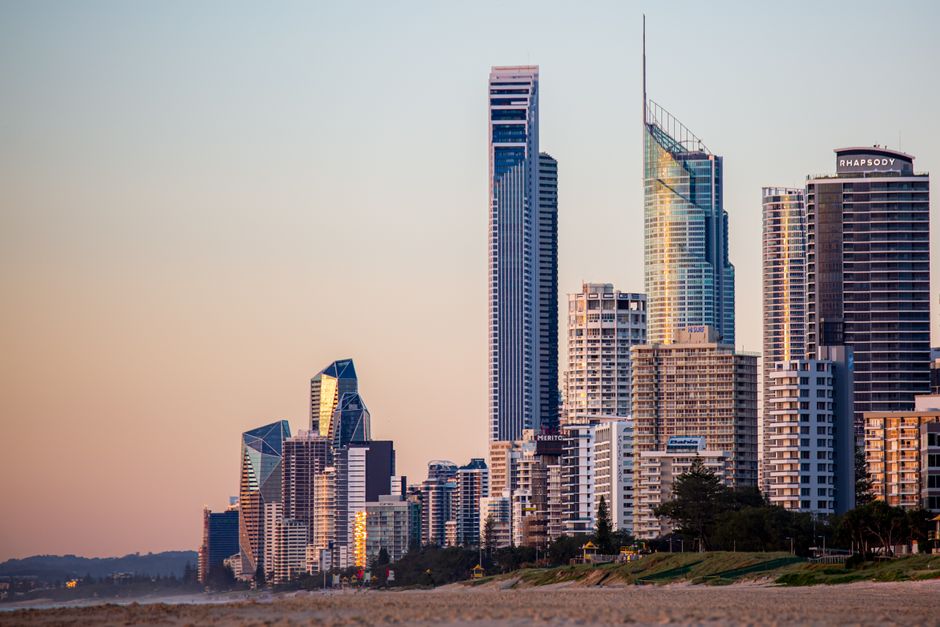
Gold Coast business owners watching the news cycle are right to pay attention. From tensions in the Middle East to trade policy shifts in Washington, global events ripple directly into our local economy through investment flows and currency movements—and understanding these signals has never been more critical for strategic planning.
According to the Gold Coast Chamber of Commerce, international investment into the region hit $2.3 billion last year, with roughly 40 per cent flowing from Asia-Pacific partners. That's significant because when geopolitical uncertainty rises, capital often retreats to safer markets or demands higher returns. Right now, business confidence indicators—which measure whether investors believe conditions will improve—are tracking at modest levels across sectors from Southport's financial district to tourism operators in Broadbeach.
So what should you watch? Currency movements matter immediately. When the Australian dollar weakens against major trading currencies, it makes our exports cheaper internationally—good news for manufacturers and services firms targeting overseas clients. Conversely, imported goods become pricier, affecting retail and construction on the Gold Coast, where many building materials come from overseas suppliers.
Interest rate decisions by central banks overseas influence local borrowing costs too. Gold Coast commercial property, particularly in the Carrara industrial precinct and around the Surfers Paradise CBD, becomes more or less attractive to international buyers depending on global yield conditions. Recent data shows foreign investment into Australian commercial real estate cooled slightly this quarter as international investors reassessed risk.
Commodity prices—particularly iron ore and coal, which underpin Australian economic strength—have shown volatility. These aren't produced here, but they affect national income and consumer spending power, which ultimately touches Gold Coast hospitality, retail, and services sectors.
Local economists emphasize three practical indicators for business operators: Watch shipping freight rates (higher costs ripple into supply chains), monitor your suppliers' country-of-origin diversification, and stay alert to currency volatility if you're pricing exports or managing overseas payables. The Reserve Bank's quarterly meetings and global trade policy announcements warrant calendar space in Southport offices.
The Gold Coast Economic Development Board has expanded briefings on these topics for members, recognizing that mid-market businesses increasingly need sophisticated understanding of international capital flows. As one economist noted, the days of purely local business decision-making have passed. Smart operators are integrating global economic literacy into strategy.
Geopolitical headlines feel distant from the Gold Coast, but their economic consequences are tangible and measurable.
This article was compiled by AI from the sources linked above and screened before publishing. See our editorial standards.
Spread the word
About this article
Published by The Daily Gold Coast
Daily brief
Free, in your inbox before 7am. Weekdays.
More from Gold Coast