The Gold Coast is experiencing a tangible shift in its visitor economy, with international arrivals climbing 18 per cent year-on-year through the first half of 2026, according to Tourism and Events Queensland data released this month. The momentum is creating immediate opportunities for hospitality operators, attraction operators, and property investors who positioned themselves to capture demand.
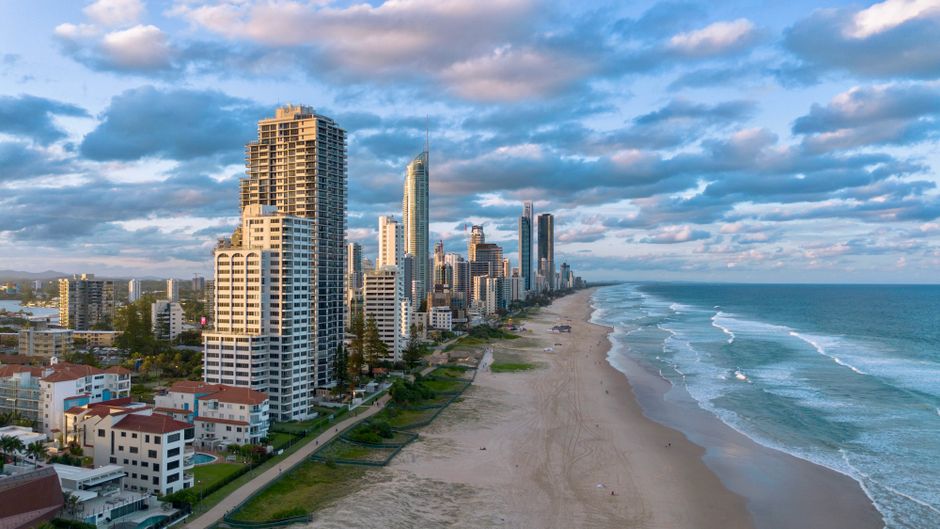
The surge reflects a confluence of factors: weakened Australian dollar dynamics favouring Asian visitors, school holiday periods driving family travel, and a post-pandemic normalisation of long-haul tourism from key markets including Japan, Singapore, and New Zealand. Unlike previous booms, this growth is being absorbed across multiple precincts rather than concentrated in Surfers Paradise.
Broadbeach is seeing the most visible activity. New boutique hotels on the Gold Coast Highway have achieved occupancy rates exceeding 85 per cent during winter months, with room rates holding steady between $180 and $280 per night despite increased supply. The precinct's evolution into a dining and entertainment hub—with expanded venues along The Esplanade and Kerferd Road—is extending visitor spend beyond accommodation.
Southport's transformation is equally striking. The business district's repositioning as a residential and leisure destination, centred around the Gold Coast Cultural Precinct and Broadwater foreshore, is attracting a different visitor demographic. Mid-range hotels like those emerging near Cypress Avenue are targeting families and extended-stay travellers, a segment historically underserved.
The theme park operators at Dreamworld and Movie World are reporting improved visitation, particularly from school groups and international families. Ancillary operators—transport services, tour companies, and casual dining—are expanding rapidly to service this demand.
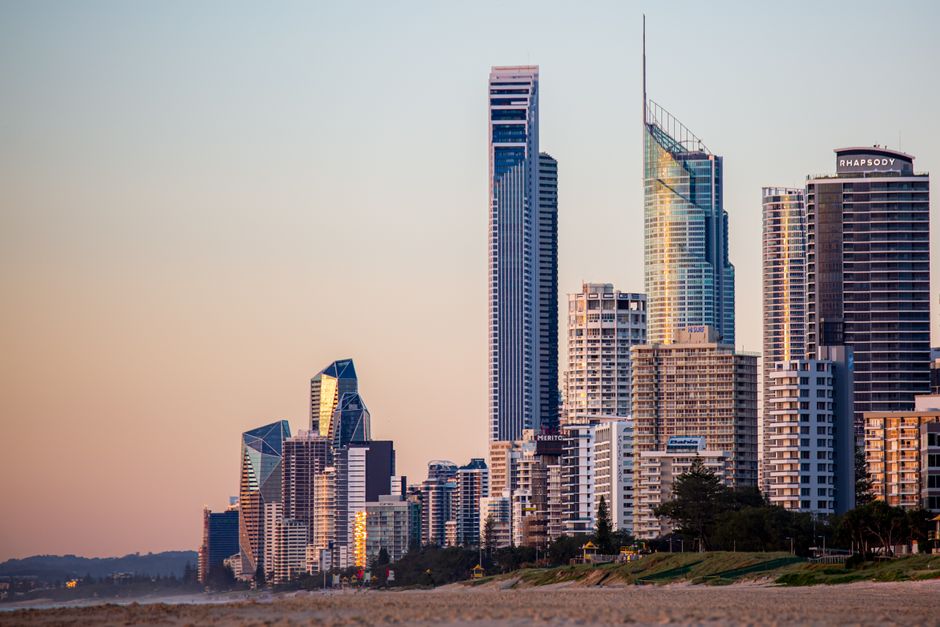
Not all operators are benefiting equally. Premium beachfront properties on The Esplanade are experiencing margin pressure as supply has increased, while value operators and mid-market venues are capturing outsized growth. Accommodation providers with flexible room configurations and family packages are outperforming traditional models.
Property investors are recalibrating expectations. Short-term rental yields in high-traffic areas near Surfers Paradise have compressed slightly, but precinct diversity is creating secondary opportunities in Broadbeach and emerging pockets near the Broadwater.
The emerging challenge is infrastructure. Transport networks, parking availability, and peak-period service capacity across hospitality venues are being tested. Operators investing in capacity and systems now are positioned to capture sustained growth through the high-season months ahead.
For the Gold Coast's visitor economy, mid-2026 represents less a temporary spike and more an inflection point—one where adaptation and strategic positioning will determine which operators and precincts sustain momentum beyond the current cycle.
This article was compiled by AI from the sources linked above and screened before publishing. See our editorial standards.