Geopolitical Instability Reshapes Gold Coast Office Market as Global Investors Reassess Risk
International tensions are forcing local commercial property owners to recalibrate strategies, with premium CBD spaces now competing harder for the flight-to-safety capital that once came automatically.
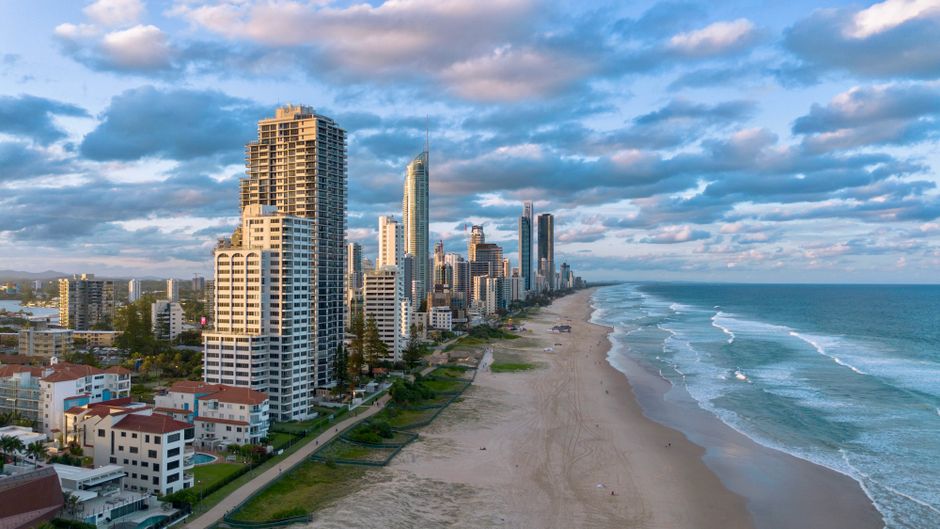
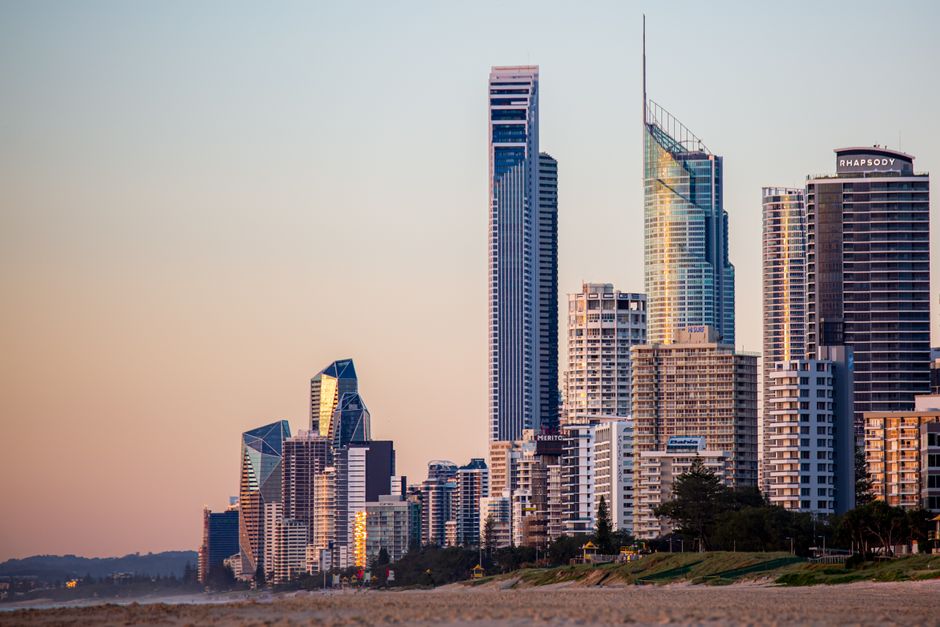
The Gold Coast's commercial property sector has long thrived on its reputation as a stable, growth-oriented alternative to Sydney's congested CBD. But recent global turbulence—from Middle Eastern brinkmanship to broader currency volatility—is forcing a sobering reality check on Southport's gleaming office towers and Broadbeach's premium business precincts.
Real estate agents working the Cavill Avenue and Orchid Avenue corridors report a marked shift in investor appetite. Where institutional capital once flowed freely into A-grade office space, particularly along the Broadbeach business district and the emerging tech hubs around Surfers Paradise, conversations now centre on geopolitical hedging and flight-to-safety considerations.
"Investors who were aggressive 18 months ago are now asking tougher questions about currency exposure and political risk," explains one local commercial leasing specialist. The Gold Coast's heavy reliance on international investment—particularly from Asia-Pacific and North American funds—means global uncertainty translates directly into local tenant demand and capital availability.
The numbers reflect this anxiety. Leasing velocity on premium office stock in the Southport CBD has slowed compared to the same period last year, while asking rents for Class A spaces have plateaued around A$550–$650 per square metre annually. Meanwhile, flight-capital seeking stability has driven up valuations for trophy assets like those along the beachfront precinct, creating a two-tier market.
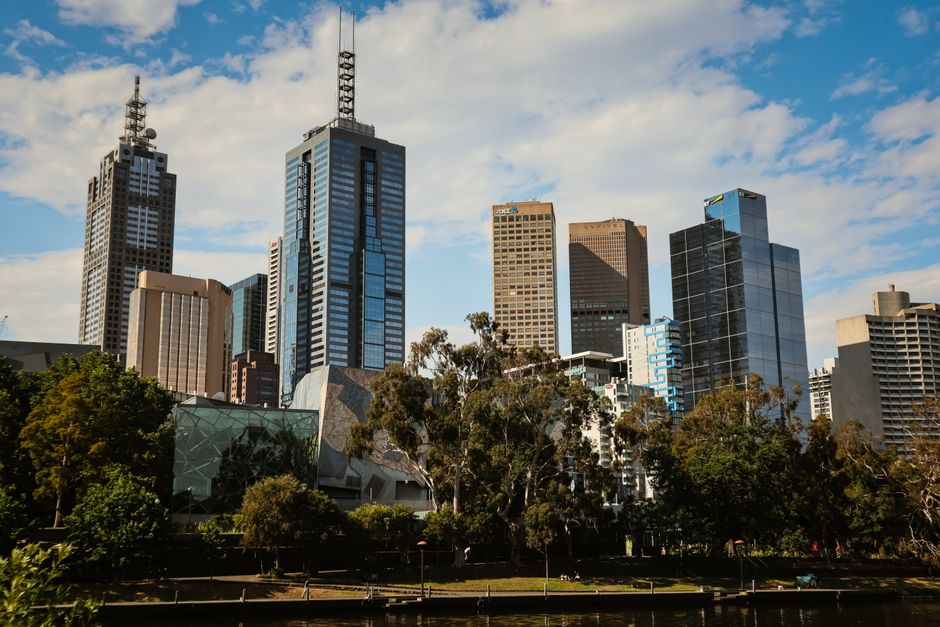
What's driving local concern is the correlation between geopolitical events and capital flows. Extended periods of international uncertainty typically redirect investment toward perceived safe havens—traditionally major Australian cities with deep liquidity and diversified tenant bases. The Gold Coast, despite its sophistication, can appear riskier to nervous institutions than Melbourne or Brisbane's more established corporate ecosystems.
Some bright spots remain. The city's growing reputation as a technology and innovation hub—with co-working spaces and startup facilities proliferating around the M1 corridor and emerging precincts near Robina—continues attracting younger demographic investors less rattled by macro volatility. Domestic superannuation funds and local developers remain active, though more selective.
The lesson for local commercial property stakeholders is clear: the Gold Coast's insularity from global turmoil is largely myth. Every geopolitical shock, currency tremor, and trade tension ripples through Southport's office parks and Broadbeach's commercial strips. Success now requires acknowledging that local market fundamentals, while sound, compete within a volatile global arena where investor confidence can shift swiftly.
The next 12 months will likely determine whether the Gold Coast can maintain momentum or faces a more challenging repricing of commercial real estate values.
This article was compiled by AI from the sources linked above and screened before publishing. See our editorial standards.