Gold Coast Startups Face New Market Reality: Rising Costs, Tighter Capital, and Investor Reset
As venture funding cools globally, local innovation districts are shifting focus to profitability and sustainable growth over rapid scaling.
As venture funding cools globally, local innovation districts are shifting focus to profitability and sustainable growth over rapid scaling.

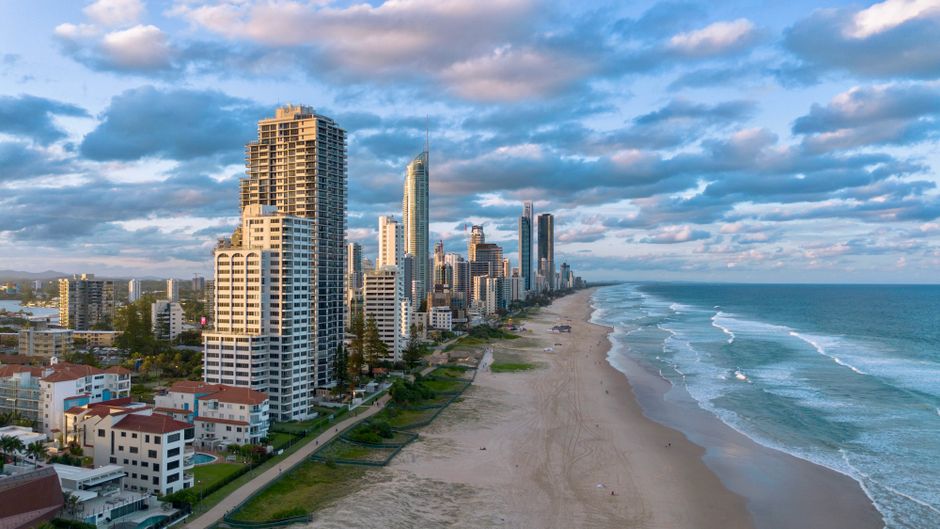
The Gold Coast's startup ecosystem is entering a critical inflection point. After years of frothy venture capital and aggressive expansion strategies, founders across Southport, Surfers Paradise, and the emerging tech corridor around Broadbeach are recalibrating their approach to match a fundamentally altered funding landscape.
Data from regional business networks suggests venture investment into Queensland startups has contracted approximately 35% year-on-year, mirroring national trends. For Gold Coast operators, this means tighter due diligence, longer fundraising cycles, and investor appetite shifting decisively toward unit economics and clear pathways to profitability—a sharp departure from the "growth at any cost" mentality that dominated 2023-2024.
"What we're seeing is maturation," explains the prevailing sentiment among accelerators and co-working spaces from the Helensvale Innovation Precinct to downtown Southport hubs. Founders who previously burned $500,000 monthly to capture market share now face pressure to demonstrate sustainable unit economics within 18-24 months. Office vacancy rates in premium startup zones have ticked upward, though premium spaces on Cavill Avenue and surrounding Surfers Paradise precincts remain competitive, with monthly leases holding steady around $45-65 per square meter.
Yet opportunity persists for disciplined operators. Sectors showing resilience include fintech, climate tech, and software-as-a-service platforms addressing regional supply chain inefficiencies—areas where Gold Coast's logistics advantages and growing Asia-Pacific trade importance create defensible competitive moats. Several local founders have successfully pivoted from venture-dependent models to bootstrapping or strategic corporate partnerships, reducing burn while maintaining product development velocity.
The broader message for Gold Coast business leaders: this reset favors founders with strong fundamentals, customer traction, and realistic capital efficiency targets. Investors increasingly reward businesses demonstrating product-market fit over flashy pitch decks and inflated total addressable markets. For the region's innovation infrastructure—including co-working operators, accelerator programs, and service providers clustered around Southport's business district—the focus is shifting toward mentorship, operational excellence, and connecting startups with established enterprises seeking innovation partnerships.
Real estate dynamics are worth monitoring. While speculative startup office expansion has cooled, hybrid work models mean founders can maintain talent across Brisbane, Melbourne, and Sydney while keeping core operations anchored on the Gold Coast. This geographic arbitrage continues attracting talent concerned about southern capital cities' rising operational costs.
For entrepreneurs evaluating market entry or expansion: assume tighter funding windows, plan for 24+ months of runway, and prioritize early customer validation and revenue generation. The startup gold rush may be over, but the real work of building enduring, profitable businesses is just beginning.
This article was compiled by AI from the sources linked above and screened before publishing. See our editorial standards.
Spread the word
About this article
Published by The Daily Gold Coast
Daily brief
Free, in your inbox before 7am. Weekdays.
More from Gold Coast