Australians are reporting higher levels of psychological stress than at any point since the early pandemic years, according to the Australian Institute of Health and Welfare's 2025 mental health snapshot, which found roughly one in five adults experienced high or very high distress in the previous four weeks. On the Gold Coast, where the cost of renting a two-bedroom apartment in Broadbeach now tops $750 per week and housing uncertainty is biting hard, that pressure is showing up in GP waiting rooms, community health centres, and wellness clinic intake forms alike.
None of that is abstract. It's the backdrop for a growing body of evidence — pulled from clinical trials, neuroscience labs, and population studies — that identifies specific, repeatable techniques capable of measurably lowering cortisol, reducing resting heart rate, and improving sleep quality. No single technique works for everyone, and anyone experiencing persistent or severe symptoms should speak with a GP or psychologist. But for daily maintenance, the science has narrowed the field considerably.
Five techniques backed by the research
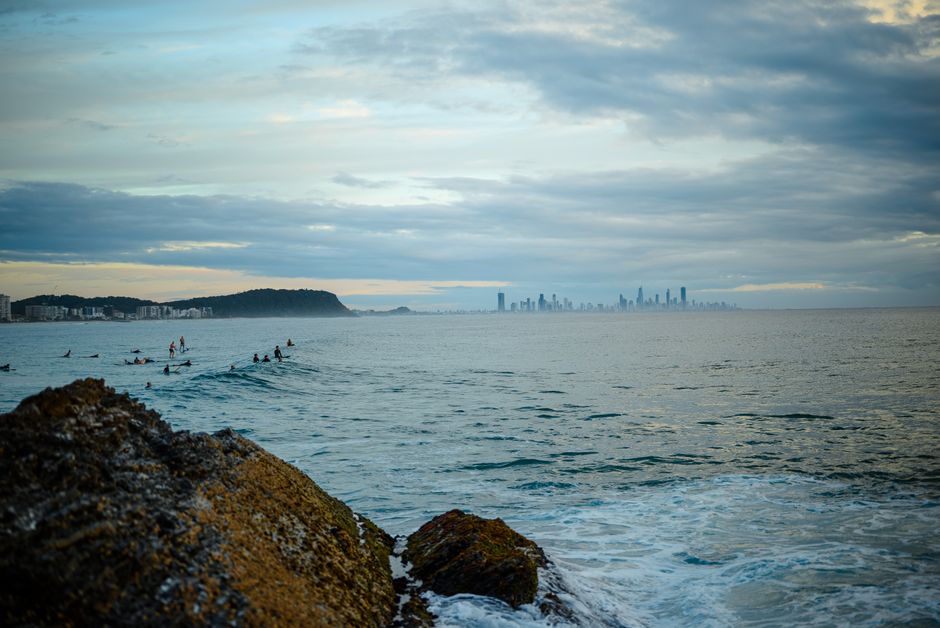
1. Cold-water immersion, brief and deliberate. A 2023 University of Queensland study found that two minutes of cold-water exposure — water temperature between 15°C and 18°C — reduced self-reported anxiety scores by 22 per cent in regular practitioners over eight weeks. The Gold Coast's surf lifesaving clubs, including Kurrawa Surf Life Saving Club on Kurrawa Beach in Broadbeach, run early-morning ocean swims year-round. Winter water temperatures along the southern Gold Coast sit around 19°C to 21°C right now — cold enough to trigger the alertness response without the shock of a true plunge pool.
2. Box breathing, four counts each way. Inhale for four seconds, hold for four, exhale for four, hold for four. The U.S. Navy SEALs formalised it; a 2021 paper in Frontiers in Psychology confirmed it reduces sympathetic nervous system activation within 90 seconds. It costs nothing and works on a train, at a desk, or sitting on the sand at Tallebudgera Creek.
3. Nature exposure, minimum 20 minutes. A landmark 2019 study published in Frontiers in Psychology — since replicated in Australian settings — found that 20 to 30 minutes spent sitting or walking in a natural space lowered salivary cortisol significantly more than the same time indoors. The Hinterland's Lamington National Park, accessible via the Canungra Road turnoff about 50 kilometres from Surfers Paradise, offers more than 160 kilometres of walking tracks. Even a 25-minute circuit at Dave's Creek is enough.
4. Progressive muscle relaxation before sleep. Systematically tensing and releasing muscle groups from feet to forehead — a technique developed by physician Edmund Jacobson in the 1930s and validated repeatedly since — reduces insomnia severity and pre-sleep anxiety. The Gold Coast Primary Health Network's mental health hub, which operates out of offices on Bundall Road, lists free guided PMR audio resources on its website for registered users.
5. Social exercise, not solo. Group physical activity outperforms solo exercise for psychological outcomes, according to a 2017 study of 69,000 participants published in The Lancet Psychiatry. The mental health dividend was largest for team sports and group classes. Kurrawa Beach hosts free community beach volleyball sessions on Saturday mornings, and several Burleigh Heads yoga studios — including two operating out of the James Street precinct — offer community-rate group classes from $12.
Building a local routine that sticks
The mistake most people make is treating stress management as something to deploy during a crisis rather than a daily practice. Research on habit formation consistently shows that attaching a new behaviour to an existing one — known as habit stacking — dramatically improves follow-through rates. An ocean swim before the school drop-off, a box-breathing sequence during a lunch break at Robina Town Centre, a 20-minute walk at Hinze Dam on weekends: these are realistic anchors, not aspirational ones.
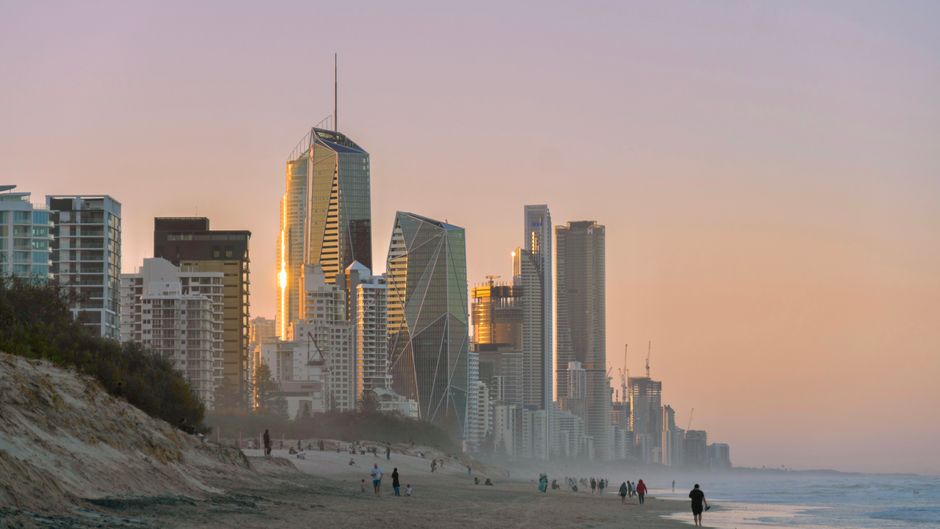
The Gold Coast's geography is genuinely useful here. The city has 57 kilometres of coastline, immediate access to subtropical bushland, and a dense enough wellness ecosystem that group classes are rarely more than a short drive away. The barriers to using them are lower than in most Australian cities. Starting with one technique — just one, practised consistently for two weeks — is what the behavioural evidence actually recommends. Consult your GP or a registered psychologist if stress is affecting your sleep, relationships, or ability to work.