wellness
Mindfulness in Schools: What Local Programs Are Available on the Gold Coast
From Burleigh to Coomera, a growing number of Gold Coast schools are bringing structured meditation into classrooms, here's what's on offer and what the evidence says.
Listen in English · 4 min
How we reported this
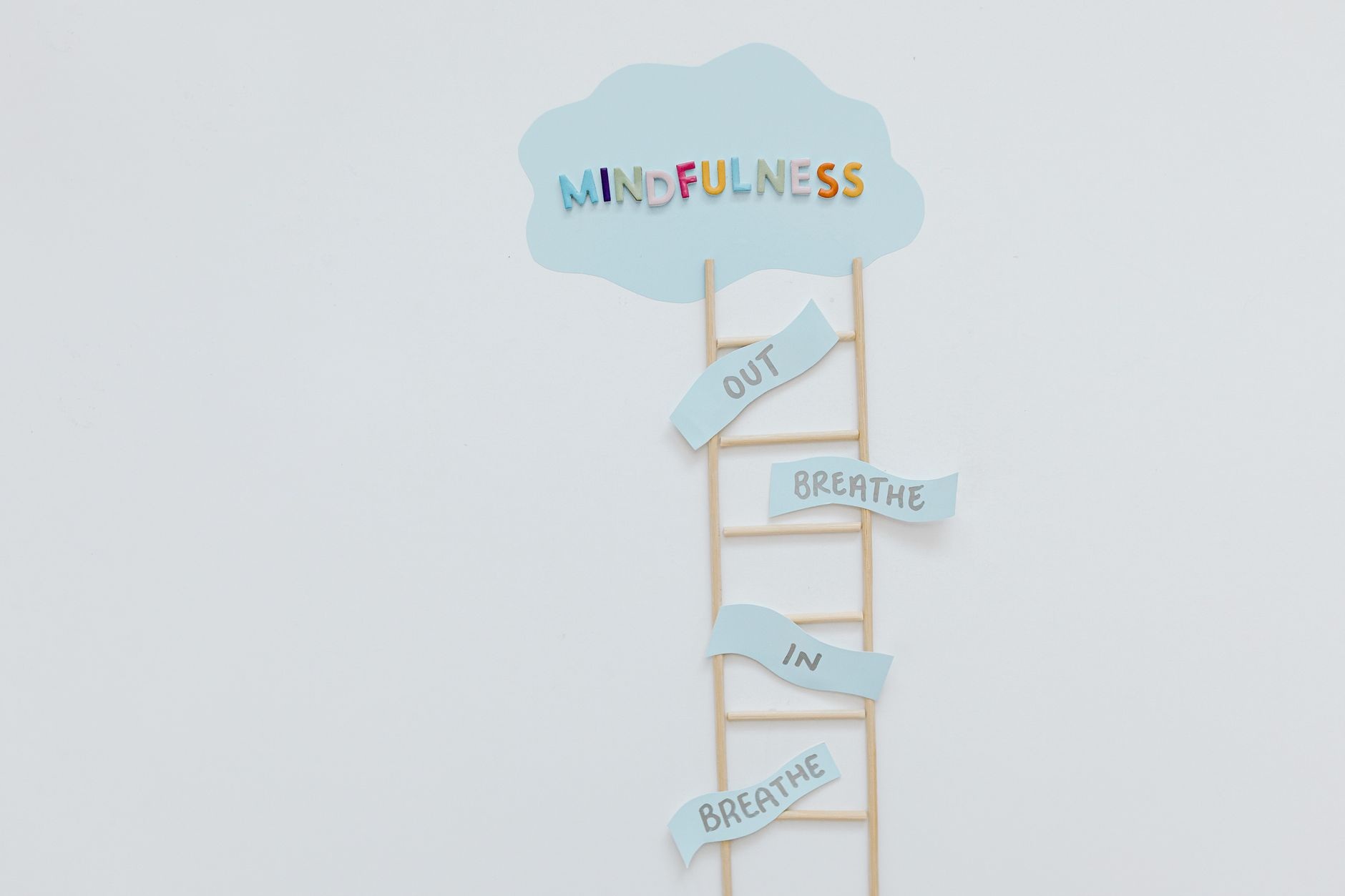
More than a dozen Gold Coast schools have introduced formal mindfulness programs into their weekly timetables since the start of 2025, with uptake accelerating across both state and independent sectors as youth mental health data continues to alarm educators and parents alike.
The push matters now because Queensland's student wellbeing figures are difficult to ignore. The Australian Child Wellbeing Project's most recent national data showed roughly one in four students aged 8 to 14 reported feeling stressed or anxious at school on most days. On the Gold Coast, where a thriving wellness influencer culture and Surf Life Saving club networks have long embedded a physical-health ethos into community life, school leaders are increasingly asking whether the mental side of that equation is getting equal attention.
What's Running in Local Schools Right Now
Robina State High School has been running a dedicated mindfulness module through its Year 9 Personal Development program since Term 1, 2025. The eight-week course draws on the Smiling Mind app, a non-profit digital platform developed in Australia, and gives students two 20-minute structured sessions per week. The program runs alongside the school's existing wellbeing curriculum and does not replace it.
Further north at Coomera Anglican College on Fern Street, students from Year 5 upward participate in what the school calls its "Still Minds" initiative, a twice-weekly breathing and body-scan practice embedded into morning homeroom. The college partnered with a Brisbane-based mindfulness facilitator to train staff in-house, meaning sessions are now led by classroom teachers rather than external contractors, a model that significantly cuts ongoing costs once the initial training investment is made.
On the southern end of the city, Elanora State School near the Currumbin Wildlife Sanctuary corridor has trialled a lunchtime meditation drop-in since February this year, targeting students in Years 4 to 6 who self-select into sessions held in the school library. Attendance has been voluntary, averaging around 22 students per session according to the school's newsletter from May 2026.
The independent sector is also moving. Somerset College in Mudgeeraba offers mindfulness as a credit-bearing elective within its broader Health and Physical Education framework, one of only a handful of Gold Coast schools to formally assess, rather than simply offer, mindfulness practice as part of a student's academic record.
What the Evidence Says, and What Parents Should Know
A 2024 meta-analysis published in the journal School Mental Health, which reviewed 61 separate school-based mindfulness trials across Australia, the UK and Canada, found that structured programs running for at least six weeks produced measurable reductions in self-reported anxiety in students aged 10 to 16. Effect sizes were modest but consistent, and the researchers noted that teacher-led delivery, as opposed to app-only approaches, produced stronger results.
Cost varies considerably. The Smiling Mind school licensing model starts at no charge for public schools using the standard curriculum pack, which makes it attractive for state schools operating under Queensland's Departmental funding constraints. Purpose-built programs with external facilitators can run anywhere from $1,500 to $6,000 per term for a school of average size, depending on session frequency and group numbers.
Not every program is equal, and parents are right to ask questions. School-based mindfulness is a complement to professional mental health support, not a substitute for it. Families concerned about a child's anxiety or emotional wellbeing should speak first with their GP or a registered psychologist, the Gold Coast Primary Health Network maintains a searchable directory of local practitioners at its Southport office on Nerang Street.
For parents wanting to engage directly, the most practical first step is contacting their child's school wellbeing coordinator and asking whether a structured mindfulness program is currently running, and if not, whether the school has considered applying for a Smiling Mind partnership. The application process is straightforward and the platform's Gold Coast school uptake doubled between 2024 and 2025. The demand, clearly, is already there.