Gold Coast Residents Need More Water Than They Think Year-Round
With winter temperatures still nudging 26°C and humidity sitting stubbornly high, staying properly hydrated on the Gold Coast is a year-round discipline, not a summer afterthought.
With winter temperatures still nudging 26°C and humidity sitting stubbornly high, staying properly hydrated on the Gold Coast is a year-round discipline, not a summer afterthought.
Gold Coast's winter is deceptive. The calendar says July, the visitors are wearing hoodies, and locals are being lulled into forgetting the one thing subtropical living demands every single day: serious, consistent fluid intake. Health practitioners across the region are seeing a familiar pattern — people underestimating how much fluid they're losing simply because it doesn't feel hot enough to sweat.
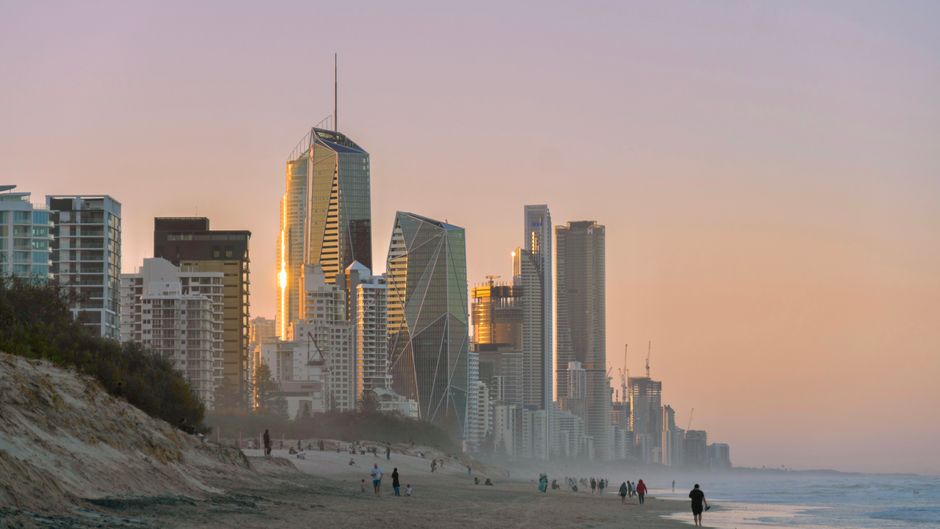
This matters right now because July marks the peak of the Gold Coast's domestic tourism season, when Broadbeach and Surfers Paradise fill with interstate visitors unaccustomed to the humidity. But even long-term residents aren't immune. The bureau of meteorology recorded an average July maximum of 22.4°C for the Gold Coast in 2025, with relative humidity frequently above 70 percent — conditions that drive passive fluid loss whether you're hiking the Lamington National Park ridgeline at Binna Burra or playing a beach volleyball set at Kurrawa Beach.
The standard Australian Dietary Guidelines recommend 2.1 litres of fluid daily for women and 2.6 litres for men from all sources, including food. On the Gold Coast, those numbers are a floor, not a ceiling. Exercise in humid conditions, time on the water or a shift on the patrol flags at a Surf Life Saving Queensland club adds anywhere from 500ml to well over a litre per hour of additional loss through sweat, depending on intensity.
Surf Life Saving Queensland, which coordinates patrol activity across clubs from Coolangatta to Main Beach, has long included hydration protocols in its Bronze Medallion training. Patrol members doing a four-hour morning shift on an exposed beach in July can lose fluid at rates that surprise new recruits who associate dehydration with January heat. The club at Miami — on Gold Coast Highway — runs hydration briefings for patrol captains as part of its seasonal preparation program.
Coconut water has become popular at juice bars around Tedder Avenue in Main Beach and along Elkhorn Avenue in Surfers Paradise, marketed as a natural electrolyte replacement. It does contain potassium — around 600mg per 250ml serve — but dietitians consistently point out it's lower in sodium than commercial sports drinks, making plain water the more efficient choice for most non-endurance activities. A 600ml bottle of a standard electrolyte drink retails for roughly $3.80 at most Gold Coast convenience stores; a 1.5-litre bottle of still water runs about $2.40. For recreational swimmers and dog walkers along the Nerang River foreshore at Southport, water is still the most practical and cost-effective option.
Caffeine remains controversial in hydration conversations, but the evidence has shifted. Research published in the journal Nutrients in 2024 confirmed moderate coffee consumption — up to four cups per day — does not produce net dehydration in habituated drinkers. So the flat white from one of the roasters on Chevron Island is not working against you. What does work against you: alcohol and high-sugar soft drinks, both of which increase urine output and leave the body's fluid balance worse than before you drank them. The Gold Coast's cafe strip culture is genuinely compatible with good hydration habits; it's the Thursday-night Broadbeach bar crawl that complicates things.
For hikers tackling the trails through Springbrook National Park or the Border Ranges west of the city, the calculation changes again. Elevation, exertion and pack weight all accelerate fluid loss. Queensland Health recommends carrying a minimum 500ml per hour of planned activity time, with electrolyte sachets for anything over 90 minutes. Those sachets are available at Chemist Warehouse outlets on Robina Town Centre Drive for around $1.20 each.
The practical baseline: drink before you're thirsty, check the colour of your urine — pale straw means you're on track, dark yellow means you're already behind — and don't assume July lets you off the hook. On the Gold Coast, the climate is always doing more to your body than you think. Anyone managing a medical condition or taking medications that affect fluid balance should speak with a GP or accredited practising dietitian for guidance specific to their situation.
Spread the word
About this article
Published by The Daily Gold Coast
Daily brief
Free, in your inbox before 7am. Weekdays.
More from Gold Coast