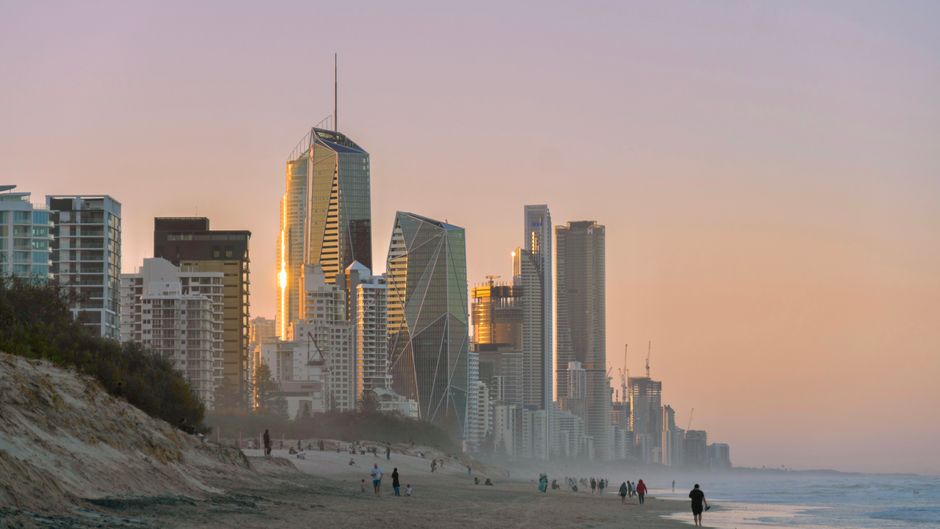
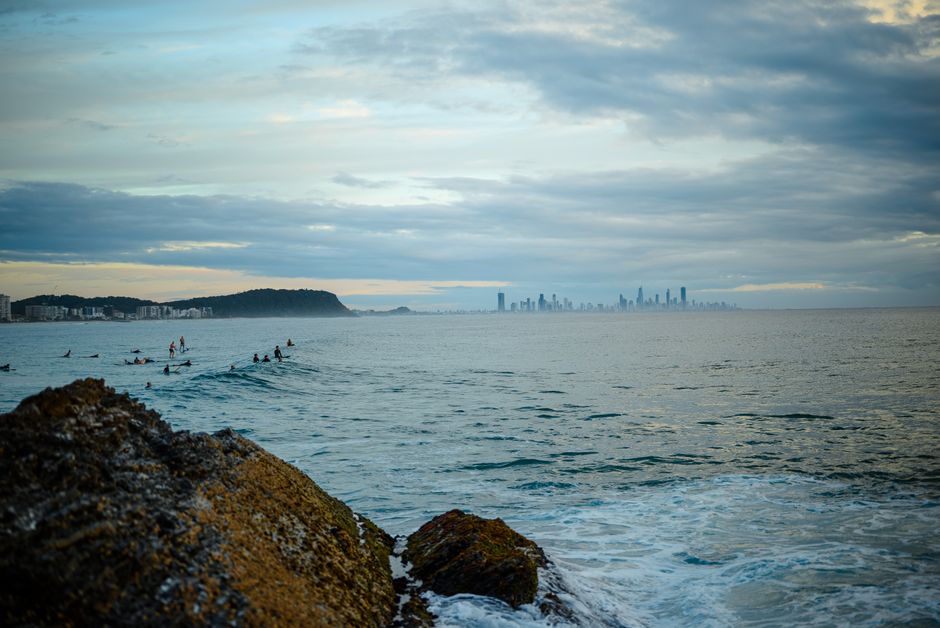
The average Gold Coast winter day hits 25–26°C with humidity sitting around 60 percent. That's not a cold snap — that's conditions that keep your body working hard to regulate temperature around the clock, even when you're doing nothing more strenuous than walking from Cavill Avenue to the beach. And yet most people here treat hydration as a summer problem.
It isn't. Dietitians and sports health practitioners across the region have been fielding a steady uptick in inquiries about fatigue, headaches and poor sleep — complaints that frequently trace back to chronic mild dehydration rather than anything more dramatic. The national recommendation from the Australian National Health and Medical Research Council sits at 2.1 litres per day for women and 2.6 litres for men, but those figures were calculated for temperate climates. On the Gold Coast, where residents can sweat through a Hinterland hike at Lamington National Park in July without registering that they're pushing hard, those baselines routinely fall short.
Why the local climate rewrites the rules
Subtropical humidity is the key complication. In dry heat, sweat evaporates quickly and people feel hot — the feedback loop is obvious. In the Gold Coast's humid subtropical climate, sweat lingers on the skin, the cooling effect is dulled and the thirst mechanism lags behind actual fluid loss. By the time you feel thirsty, you may already be down 1–2 percent of body weight in fluid, which is enough to blunt concentration and physical output.
Surf Life Saving Queensland, which operates clubs all along the coast including at Kurrawa Beach in Broadbeach and Burleigh Heads SLSC, trains its patrol members to drink 500ml of water before a shift and top up every 20 minutes during active patrolling — regardless of how they feel. That discipline doesn't translate to most beachgoers sitting two metres away on the sand, let alone to people working indoors with air conditioning falsely signalling comfort while drying out mucous membranes and skin.
For those tackling the Lamington National Park trails out of Canungra — the Border Track, for instance, runs 21.4 kilometres one way — the Queensland Parks and Wildlife Service recommends carrying at least three litres per person. Park rangers have responded to multiple dehydration incidents on day walks even in the middle of winter, when cooler air temperatures trick hikers into underestimating sweat loss on steep rainforest climbs.
What to actually drink — and what to skip
Plain water remains the benchmark, but the case for electrolyte supplementation is real for anyone active in the region. Sodium, potassium and magnesium are lost in sweat, and replacing fluid without replacing electrolytes can leave the body struggling to retain water at the cellular level. Sports drinks formulated with 400–600mg of sodium per litre are appropriate for sessions exceeding 60 minutes of moderate exertion. For shorter or less intense activity, a small pinch of sea salt in a large water bottle achieves much the same thing for cents rather than the $4–5 a branded electrolyte sachet now costs at most Gold Coast chemists and supermarkets.
Coconut water has genuine electrolyte content — roughly 600mg of potassium per 250ml serve — and has developed a loyal following among the wellness community concentrated around Burleigh Heads and Mermaid Beach. It works, though it carries a significant sugar load and a price tag of around $4–6 per carton at local IGA and health food stores on James Street in Burleigh. Coffee and tea count towards daily fluid intake, despite the persistent myth that caffeine fully cancels hydration benefits. Alcohol does not — one standard drink triggers a diuretic response that can require two glasses of water to offset.
The practical starting point is straightforward. Drink 500ml before leaving the house each morning. Carry a reusable bottle — Burleigh Heads Market and the Robina Town Centre both have a dozen retailers stocking insulated 1-litre options from around $25. Check urine colour: pale straw is the target, dark yellow is a prompt to drink more. And treat July on the Gold Coast for what it actually is — a warm, physically demanding month that deserves the same respect you'd give to February. Consult a GP or accredited practising dietitian for any concerns about persistent fatigue or fluid retention that doesn't respond to simple adjustments.