Gold Coast Development Boom Drives Up Housing Prices, Strains Infrastructure
A wave of new projects from Broadbeach to Coomera is reshaping the Gold Coast skyline — and putting real pressure on prices, infrastructure and neighbourhood character.
A wave of new projects from Broadbeach to Coomera is reshaping the Gold Coast skyline — and putting real pressure on prices, infrastructure and neighbourhood character.
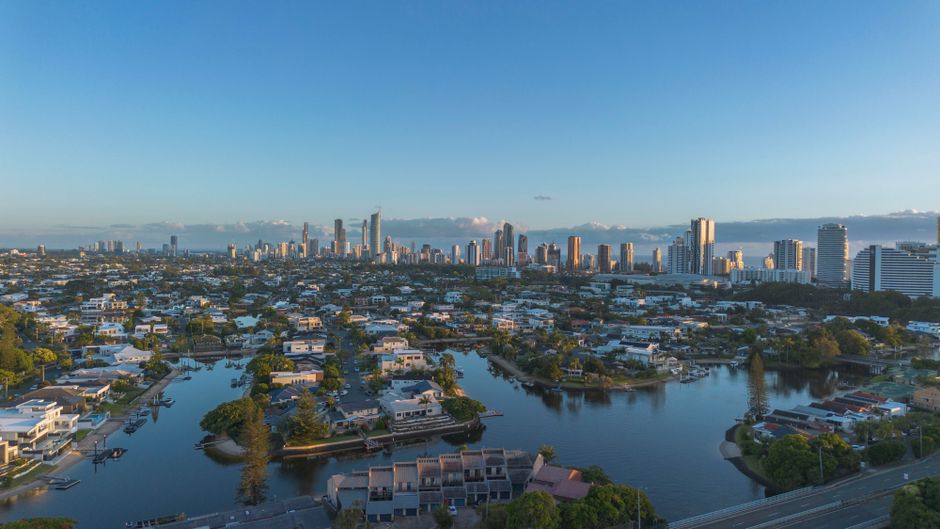
Three significant development applications lodged with Gold Coast City Council in the past six weeks signal the city is nowhere near done growing. From a 42-storey residential tower on Victoria Avenue in Broadbeach to a mixed-use precinct proposed for the old Coomera industrial corridor, the pipeline of approved and pending projects is the busiest it has been since the pre-Commonwealth Games surge of 2016.
The timing matters. Queensland's median dwelling price is sitting around $850,000, and on the Gold Coast that figure climbs sharply for anything within two kilometres of the beach. Developers and their financiers are betting that demand — driven by interstate migration, downsizer appetite and a tourism sector that has recovered faster than most forecasters expected — will absorb thousands of new dwellings over the next four years. The question locals are asking is whether the city's roads, schools and water infrastructure can keep pace.
Broadbeach is carrying the heaviest load. The proposed Victoria Avenue tower, if approved in its current form, would deliver 310 apartments above a ground-floor retail tenancy, sitting directly between the Star Gold Coast and Kurrawa Park. Supporters say the location — walking distance to the G:link light rail stop at Broadbeach South — makes it exactly the kind of transit-oriented density the state government has been pushing under its ShapingSEQ regional plan. Critics, including several owners in the existing Phoenician Resort complex nearby, have raised objections about overshadowing and traffic on an already congested block.
Further north, Southport's former law courts precinct on Davenport Street is the subject of a $340 million proposal by a Brisbane-based developer to deliver 680 dwellings, ground-floor commercial space and a publicly accessible plaza. Council planners gave the concept a tick in principle in May, meaning formal lodgement could follow before the end of the third quarter. Southport's central business district has been the target of urban renewal efforts for nearly a decade, and this project would represent the largest single private investment in the suburb since the construction of Australia Fair was expanded in 2019.
Out west, Coomera is the growth story that rarely gets the coastal attention it deserves. The $2.1 billion Coomera Connector — Stage 1 of which opened in October 2024 — has unlocked land along Foxwell Road that was previously considered too isolated for high-density residential. Two separate developers have now filed material change of use applications for lots in that corridor, together proposing around 1,100 homes across townhouse and low-rise apartment formats.
Gold Coast City Council approved 6,812 new dwellings in the 2024–25 financial year, according to figures published by the council's City Development division in June. That is the highest annual approval count since 2017. Yet rental vacancy across the city sits at roughly 0.8 percent, according to SQM Research data from May 2026 — a figure so tight that property managers on Cavill Avenue report fielding 30 or more applications for every advertised rental.
The gap between approvals and completions is part of the story. Construction costs have eased slightly from their 2023 peak but remain about 18 percent above pre-pandemic levels, according to the Master Builders Queensland cost index. That makes feasibility tight for projects targeting the sub-$700,000 apartment segment — precisely the price point where demand from local owner-occupiers and first-home buyers is strongest.
Burleigh Heads remains the suburb every developer wants but few can afford to build in at scale. Land values on the James Street retail strip have pushed past $12,000 per square metre for commercial sites, effectively ruling out the kind of ground-up apartment development that is happening freely in Southport or Ormeau.
Buyers and renters watching these developments should pay close attention to completion timelines rather than announcement dates. The Southport Davenport Street project, if lodged on schedule, would realistically not settle its first apartments before late 2029. For anyone hoping new supply will soften rents this side of 2027, the construction calendar is not on their side. Engaging with council's development tracker — updated weekly on the Gold Coast City Council website — is the most reliable way to follow individual projects from application through to occupation certificate.
Spread the word
About this article
Published by The Daily Gold Coast
Daily brief
Free, in your inbox before 7am. Weekdays.
More from Gold Coast