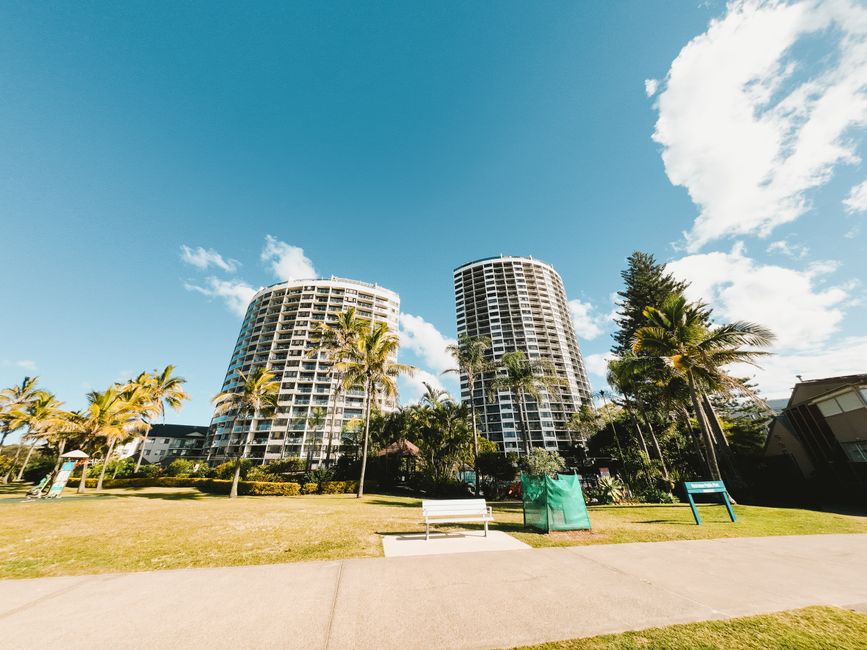
Proposed Rezoning Puts Miami on Cusp of Dramatic Transformation
Major planning proposal could see Miami shift from sleepy suburb to a high-density, mixed-use precinct – sparking debate from locals and developers alike.
Major planning proposal could see Miami shift from sleepy suburb to a high-density, mixed-use precinct – sparking debate from locals and developers alike.
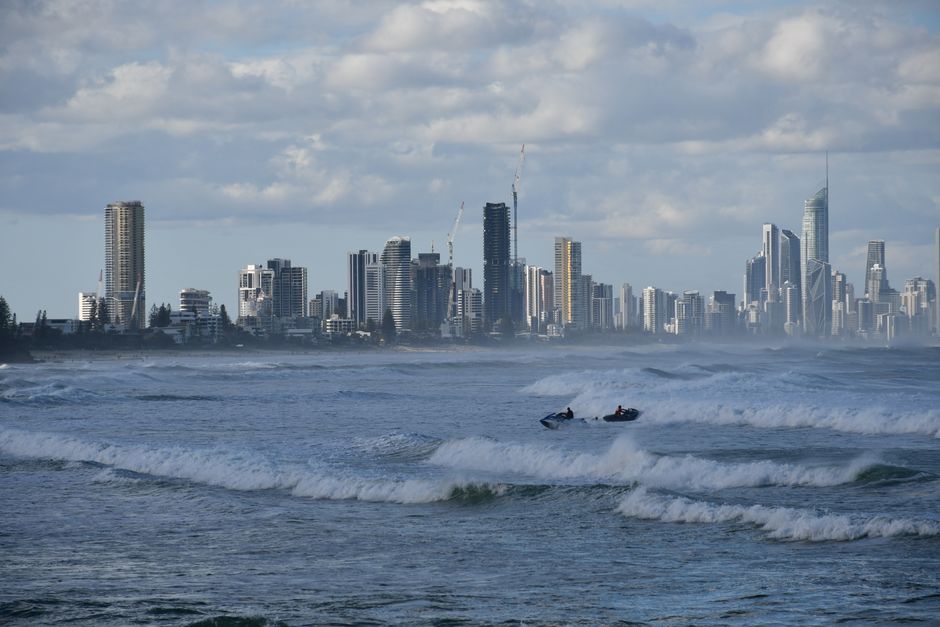
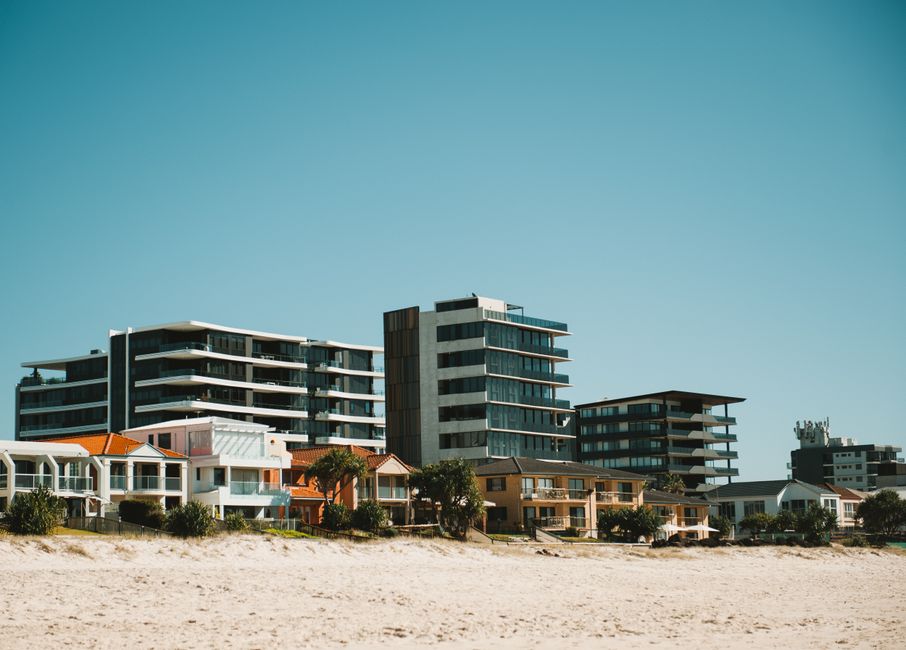
The Gold Coast City Council has confirmed it is considering a sweeping rezoning proposal for central Miami, paving the way for up to 12-storey mixed-use towers along the Gold Coast Highway and fundamentally changing the fabric of the beachside suburb.
The draft plan, released for community consultation late last week, would replace much of Miami’s low-rise residential zoning with high-density allowances east of Pacific Avenue through to Christine Avenue. If progressed, the rezoning would allow developers to build apartment buildings and mixed-use complexes where single-family homes now stand. Council planners argue the shift is necessary to meet soaring population targets and capitalise on Miami’s prime position between Burleigh Heads and Broadbeach – two of the city's most sought-after neighbourhoods. The move comes as the Gold Coast continues to attract downsizers, interstate buyers, and investors seeking properties for both lifestyle and yield.
For long-time locals, the proposal presents tough questions about balancing growth with the laid-back feel they cherish in spots like the Miami Marketta precinct. The Miami State High School catchment – long praised for its coastal community feel – could see dramatic increases in enrolments should higher density become reality. Amid these changes, groups like Save Our Miami have already flagged concerns about overshadowing, traffic congestion and infrastructure shortfalls if the higher-density model goes ahead unchecked.
The proposed rezoning follows a string of recent apartment approvals and completions just up the road in Nobby Beach and Burleigh Waters, where off-the-plan sales have routinely exceeded $1 million for two-bedroom units. Gold Coast’s median house price now sits around $850,000, according to CoreLogic’s June figures, with Miami itself climbing 7.8% year-on-year to $987,000 for houses and $872,000 for units. Council documents show Miami’s population is expected to grow by more than 2,800 people over the next decade. To accommodate this, planning officers say upzoning will be critical. Developers, including Sunland Group and Mosaic Property, have already registered interest with council in assembling landholdings in the Miami corridor, betting on approval of the new planning scheme. For existing homeowners, that could mean sizeable windfalls – or a bracing adjustment as construction ramps up.
No formal rezoning has been approved yet. The council has scheduled community forums at the Miami Community Centre on July 18 and 22 for face-to-face feedback. Residents have until August 2 to lodge submissions. If the rezoning proceeds, developers expect the first new towers could break ground as soon as late 2027. Locals weighing this turning point are encouraged to review the draft scheme at cityofgoldcoast.qld.gov.au and consider independent planning advice before formal submissions close next month. The coming weeks will determine whether Miami’s future will soar skyward—or stick with its low-key coastal roots.
Spread the word
About this article
Published by The Daily Gold Coast
Daily brief
Free, in your inbox before 7am. Weekdays.
More from Gold Coast