Gold Coast Investor Yields: Returns Hold Firm as Local Data Paints Mixed Picture
Domain figures reveal rental yields steady above national average, with Broadbeach and Southport attracting robust interest from property investors.
Domain figures reveal rental yields steady above national average, with Broadbeach and Southport attracting robust interest from property investors.
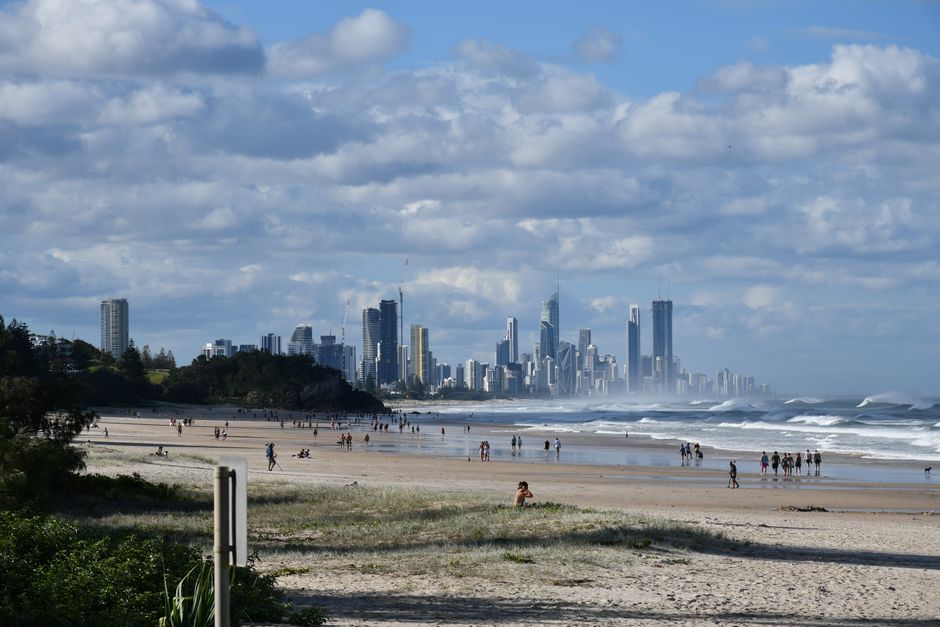
The latest Gold Coast data points to steady investor yields, with median gross rental returns maintaining a clear edge on many other Queensland and interstate markets. Newly released figures from Domain show the city-wide median gross rental yield for houses holding at 4.1% for June 2026, and some hot suburbs performing closer to 4.5%—well above the national capital city average of 3.6%.
This matters as investor sentiment is rebounding after a period of uncertainty. Throughout late 2025, a tightening in rental vacancy rates and continued demand from newcomers—both interstate migrants and downsizers—reinvigorated interest in local property. Confidence in southern capitals such as Melbourne slipped in the first quarter, with several agents on the Gold Coast reporting a noticeable uptick in investor enquiry since Easter.
"We’re seeing a lot more seasoned investors circling the mid-tier unit market along Surf Parade in Broadbeach and the townhouse pockets of Currumbin Waters," said a senior analyst from a national real estate research group. The firm tracks several buildings along Old Burleigh Road, noting that rental listing days have fallen by nearly a third since early 2024.
Local data backs this up. CoreLogic’s June 2026 analytics show Burleigh Heads units are fetching an average weekly rent of $700, up from $650 a year ago, with yields for one-bedroom apartments nudging 4.7%. In Southport, houses on Ferry Road and Musgrave Avenue are still being leased out within 12 days on average. New supply from the Luxor Southport complex, which opened 86 apartments last month, was absorbed quickly, largely by investors aiming for rental incomes of $630–$720 per week.
Out-of-town buyers—particularly from Sydney’s North Shore and Brisbane’s western suburbs—are looking at local agents such as Ray White Broadbeach and Professionals Mermaid Beach to identify properties delivering not only stable rents, but underlying capital growth. According to Gold Coast City Council’s June report, there were 644 residential property sales in May 2026, 28% to investors.
The outperformance of tourist-centric locations remains notable. Data from SQM Research puts the citywide residential rental vacancy rate at just 1.3%, holding near two-year lows, with Surfers Paradise and Broadbeach especially tight at sub-1%. Median house prices across Gold Coast suburbs hover near $850,500, up 4.2% year-on-year. For units, the city median climbed to $635,000, pinched by demand for lock-and-leave properties in lifestyle-focused addresses.
However, buyers are urged to watch out for recent changes to Queensland’s land tax thresholds, which may affect long-term holding costs. Several property managers flagged that self-managed investors in Hope Island and Labrador could see softer yields as landlord insurance premiums edge upward post-2025 summer storms.
Looking ahead, analysts say investor fortunes may hinge on whether new developments around Varsity Lakes and Chevron Island can relieve ongoing supply pressure. Practical advice for would-be landlords: work with local agencies familiar with holiday-letting rules, and focus on units with low outgoings in precincts like Palm Beach and Robina. With rental demand unlikely to ease before late 2027, the numbers suggest Gold Coast investment properties should continue to generate robust yields—at least for the next year.
Spread the word
About this article
Published by The Daily Gold Coast
Daily brief
Free, in your inbox before 7am. Weekdays.
More from Gold Coast