Gold Coast Rental Crunch: What the Development Pipeline Means for Tenants and Investors
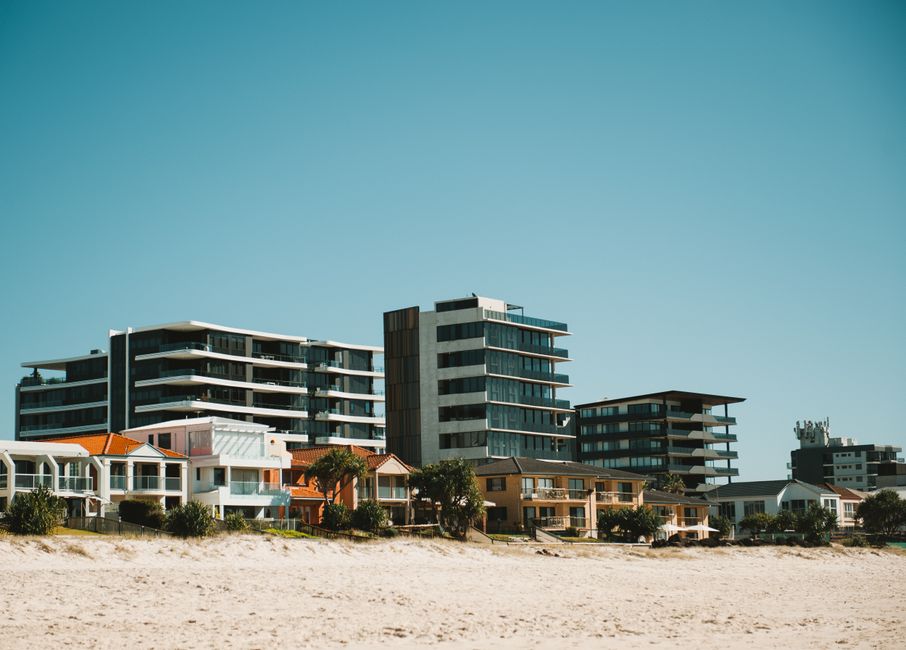
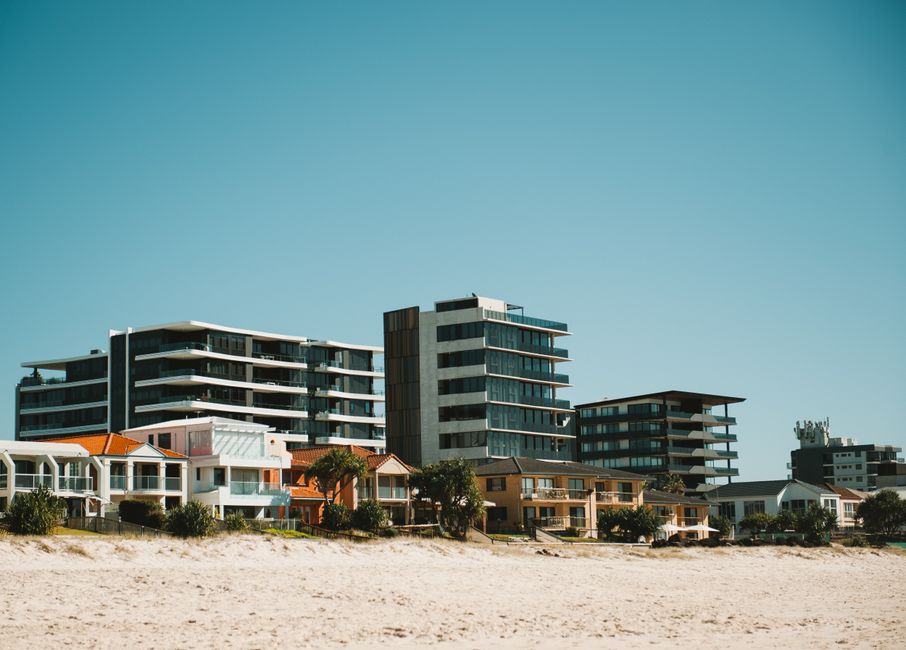
Vacancy rates are sitting near record lows across the Gold Coast, but a wave of new apartment projects from Southport to Burleigh Heads is about to test whether supply can finally catch up with relentless demand.
Gold Coast's rental vacancy rate hit 0.9 per cent in June 2026, according to the Real Estate Institute of Queensland's latest data — barely half the 2 per cent threshold economists consider a balanced market. That figure has barely budged since late 2024, and the city's median weekly rent for a three-bedroom house now sits at $920, up from $820 a year ago. For the roughly 42 per cent of Gold Coast households who rent, the maths is brutal.
The timing matters. Queensland's rental relief measures under the 2023 Residential Tenancies and Rooming Accommodation Act — including the cap on rent increase frequency — provided a political cushion, but those provisions could not suppress underlying demand driven by interstate migration, a recovering tourism workforce, and the steady pull of lifestyle that keeps drawing buyers and renters south from Brisbane. The Gold Coast population crossed 700,000 residents earlier this year, and the city's planning department is projecting another 30,000 arrivals before the decade is out.
The Projects That Could Change the Equation
Several approved developments are now moving from planning documents to construction hoardings. The most significant in terms of rental supply is the 312-apartment tower approved for the corner of Scarborough Street and Lawson Street in Southport, where developer Iris Capital secured a development permit in March 2026. Southport's proximity to Gold Coast University Hospital and the light rail network makes it a natural target for the healthcare worker and student renter cohort — a group that has been hammered hardest by the vacancy squeeze. Construction is expected to begin in the September quarter.
Further south, Burleigh Heads remains the market's tightest pocket. Vacancy there is estimated at just 0.6 per cent by local agency Harcourts Coastal, with two-bedroom units along West Burleigh Road now regularly listing above $700 per week. A mixed-use project on the Gold Coast Highway corridor near Miami — 86 dwellings with ground-floor retail — received Gold Coast City Council approval in May 2026 and has been flagged for completion in mid-2028. That timeline means no relief for current tenants this year or next.
Broadbeach, long regarded as the city's apartment epicentre, is seeing a different dynamic. Several investor-grade towers completed between 2022 and 2024 near the Kurrawa Surf Club precinct initially softened that submarket's rents, but those gains have been absorbed. The median asking rent for a two-bedroom apartment in Broadbeach now sits at $830 per week, up 11 per cent on July 2025.
Investors Watching the Clock
The development pipeline looks substantial on a spreadsheet — the Queensland Government's ShapingSEQ framework identifies the Gold Coast as needing roughly 6,200 new dwellings per year through to 2046 — but planning approvals and completed, tenantable stock are very different things. Industry groups including the Urban Development Institute of Australia's Queensland chapter have repeatedly flagged that construction cost pressures, labour shortages and financing conditions are stretching project timelines by six to 12 months on average.
For investors already holding Gold Coast rental properties, the near-term outlook remains favourable on yield. A unit purchased at the Queensland median of $850,000 generating $830 per week returns around 5.1 per cent gross — not spectacular by historical standards, but ahead of comparable Sydney assets and enough to sustain investor interest. The risk is that 2028 and 2029 could see a cluster of project completions arrive simultaneously, softening rents in the apartment segment just as mortgage costs start to ease and owner-occupier demand reasserts itself.
For tenants, the practical reality is stark: the new supply pipeline offers limited help before late 2027 at the earliest. Those seeking more immediate options should look at Coomera and Upper Coomera in the northern corridor, where a combination of house-and-land estates and newer townhouse stock has kept vacancy slightly higher — around 1.4 per cent — and median rents roughly $150 per week below the Broadbeach benchmark. The Gold Coast City Council's Housing Strategy 2022-2031 also lists several build-to-rent pilot sites under assessment; none have broken ground yet, but two sites in Robina are scheduled for a development brief release before December 2026.