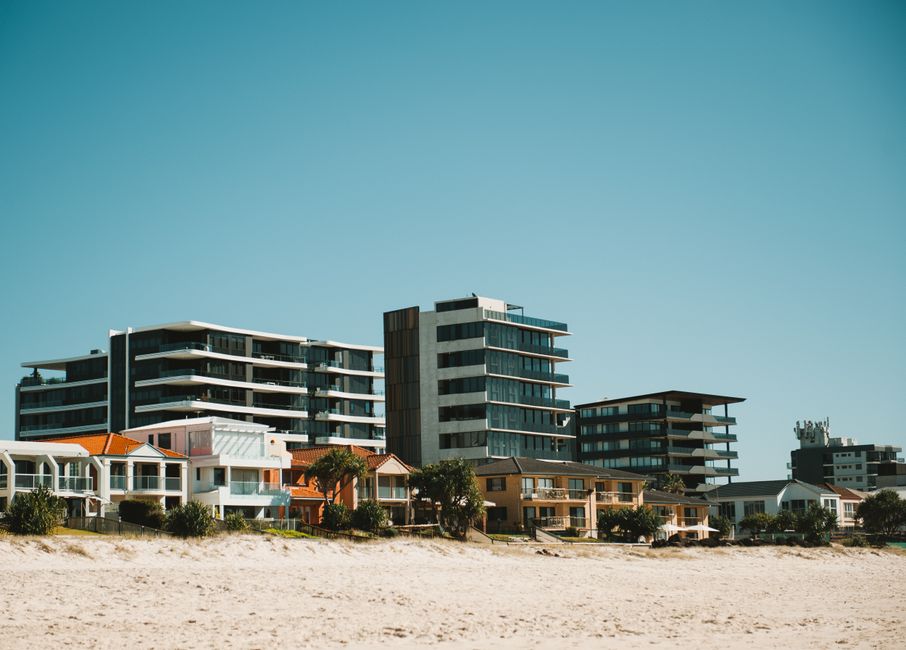
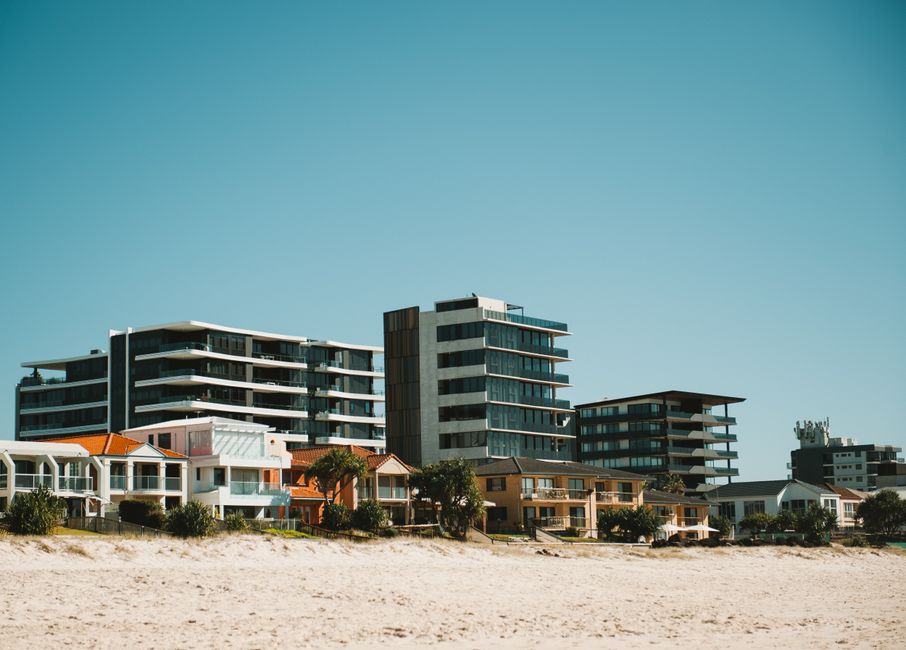
Renters on the Gold Coast are paying more every week to stay out of the market than it would cost them to get into it. New comparative analysis of mortgage repayments versus median weekly rents across the city's postcodes reveals that in at least six suburbs — including Nerang, Oxenford and Coomera — a buyer with a 20 per cent deposit is now facing lower monthly housing costs than a tenant signing a fresh lease.
The numbers matter because Queensland's rental vacancy rate has sat below 1.5 per cent for the better part of two years. On the Gold Coast, that squeeze has been particularly brutal. The Real Estate Institute of Queensland recorded the city's vacancy rate at just 0.9 per cent in the March 2026 quarter, the tightest figure since the organisation began tracking Gold Coast data separately in 2019. Rents have responded accordingly, with median weekly asking rents for three-bedroom houses in the northern corridor now nudging $780 per week — up roughly 18 per cent since mid-2024.
Where the numbers flip
In Coomera, the median house price sits around $730,000. On a 30-year principal-and-interest loan at the current major-bank standard variable rate of approximately 6.1 per cent, a buyer putting down $146,000 would carry monthly repayments of about $3,540 — or $817 per week. That sounds painful until you look at what landlords are asking. Comparable three-bedroom homes in Coomera are listed on realestate.com.au at between $780 and $850 per week, with properties routinely leased above asking price within 48 hours of listing.
Oxenford tells a similar story. Median purchase prices there have eased from their 2022 peak to around $695,000, while rents have continued to climb. A buyer at that price point is spending roughly $770 per week servicing debt — still at or below what landlords are commanding for equivalent stock. Nerang, historically one of the city's most affordable pockets and sitting just off the Pacific Motorway at Exit 71, has median house prices around $650,000 and three-bedroom rentals consistently listed above $730 per week. The gap there is stark.
Mortgage broker network Loan Market, which operates an office on Orchid Avenue in Surfers Paradise, has reported a 22 per cent jump in first-home buyer enquiries across its Gold Coast branches in the first half of 2026 compared with the same period last year. Brokers there say many clients arrive having already done the arithmetic themselves. The Queensland government's First Home Owner Grant of $30,000 for new builds, combined with the state's first home buyer stamp duty concession on purchases up to $700,000, is shaving meaningful sums off the upfront barrier — enough to change the decision for some renters who have managed to accumulate a deposit.
The catch buyers need to know
The buy-versus-rent calculus is never purely about the weekly figure. Strata levies, council rates, maintenance costs and insurance add between $5,000 and $12,000 annually to the true cost of ownership, depending on property type and suburb. A townhouse in an Ormeau estate with body corporate fees of $85 per week looks less compelling once that line item lands in the budget. Financial planners at Gold Coast-based advice firm WealthPoint, headquartered in Robina, consistently warn clients that the repayment-versus-rent comparison is a starting point, not a conclusion.
That caveat aside, the structural case for buying in the northern corridor has rarely been clearer. The City of Gold Coast's draft 2026-2031 Local Government Infrastructure Plan flags Coomera and Pimpama as priority growth areas, with an estimated 14,000 additional dwellings projected for the two precincts before the end of the decade. Infrastructure investment follows population, which tends to support values — a consideration for any buyer running a long-term calculation.
For renters still on the fence, the practical advice from brokers and buyers' agents active in the northern suburbs is consistent: get pre-approval before inspecting, because properties in Nerang and Oxenford that are priced competitively are attracting multiple offers within days. The window where repayments undercut rents exists right now — but it depends on interest rates holding, and the Reserve Bank of Australia's next scheduled decision falls on August 4.