Renting Here, Buying Elsewhere: Why Gold Coast Rentvesting Is Having Its Moment
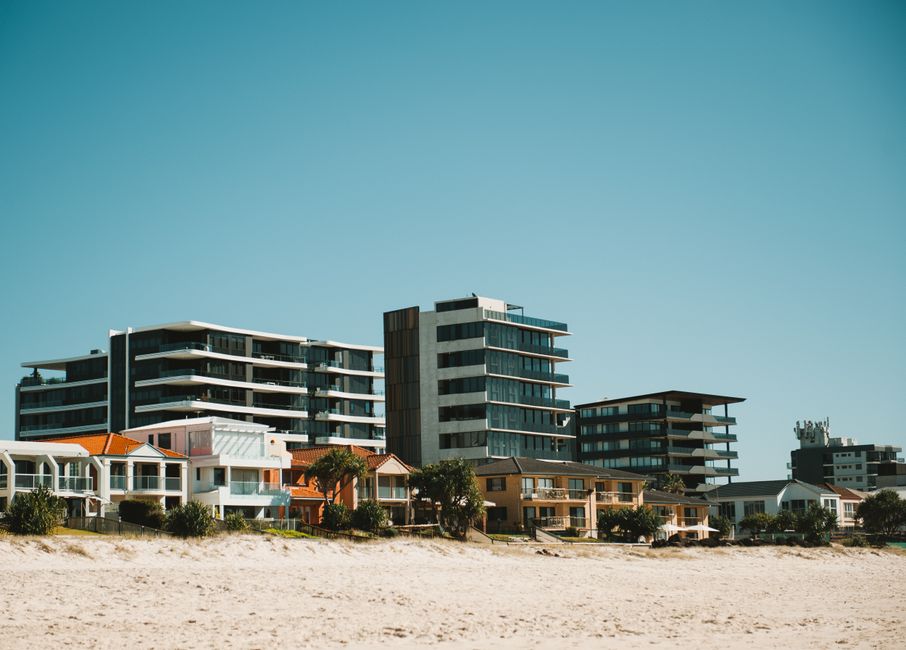
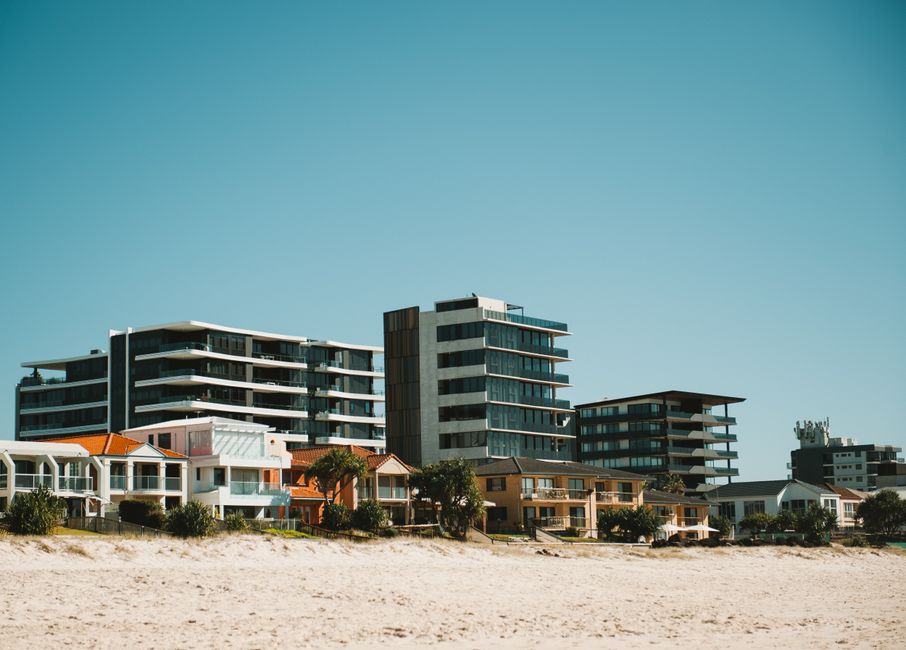
With Broadbeach units cracking $900,000 and Burleigh Heads houses pushing well past a million, a growing cohort of Coast residents is choosing to rent where they want to live and invest where the numbers actually work.
The maths stopped making sense for a lot of Gold Coast renters somewhere around mid-2025. Median house prices across the city have now pushed above $1.1 million in prestige pockets, while the Queensland-wide median sits at roughly $850,000 — and mortgage repayments on either figure, at current rates, comfortably eclipse what those same buyers would pay to rent a comparable property a suburb away. That gap is driving a quiet but accelerating shift toward rentvestment: hold a lease on the lifestyle, buy an investment property somewhere you can actually afford.
The strategy is not new, but the conditions on the Gold Coast right now make it unusually compelling. Interest rates have eased from their 2023 peak but remain elevated enough that servicing a $1 million mortgage costs north of $5,800 a month on a standard 30-year principal-and-interest loan. Renting a three-bedroom townhouse in Mermaid Beach or a unit two streets back from Burleigh Heads' Goodwin Terrace typically costs between $2,800 and $3,500 a month. The weekly savings can be redirected into a deposit or, for those already holding equity, into a debt-reduction offset account on an investment property bought somewhere like Townsville, Ipswich or regional Victoria — markets where $500,000 still buys a freestanding house with a yield above 5 per cent.
The Local Arithmetic
Ray White Burleigh Group and Harcourts Coastal are among the agencies that have reported increased inquiry from clients specifically asking about rentvesting structures in the first half of 2026. Buyer's advocates operating in the southern Gold Coast corridor say the conversations have shifted from "how do I get into Burleigh" to "how do I stay in Burleigh while I build something elsewhere." The Queensland First Home Owner Grant — currently $30,000 for new builds — can still be accessed by rentvestors who purchase a qualifying new property as their first home within 12 months of settlement, provided they move in, a wrinkle in the strategy that requires careful timing and tax advice.
The numbers in the rental market are doing their part to make the case. SQM Research data from June 2026 shows Gold Coast vacancy rates hovering at 1.1 per cent, the tightest reading since early 2022. Average weekly asking rents for houses across the city have risen to approximately $1,050, but the gap between that figure and the cost-of-ownership equivalent remains wide enough to justify the trade-off for buyers who can tolerate the psychological discomfort of not owning their own roof. A two-bedroom apartment in a Broadbeach complex near the Pacific Fair precinct is currently leasing for around $680 a week — the same property would likely sell for $870,000 to $920,000, delivering a gross rental yield of roughly 3.9 per cent, well below what an investor would want to see.
What Rentvestors Need to Get Right
The strategy carries real risks that get glossed over in the enthusiasm. Land tax is the one that catches people off guard: in Queensland, investment properties are assessed without the principal place of residence exemption, meaning a $600,000 investment property purchased in Logan or the Moreton Bay region will attract land tax once the unimproved land value crosses the $600,000 threshold — a line that can be reached faster than buyers expect in a rising cycle. Depreciation schedules on newer investment properties help offset this, particularly for post-2017 builds where Division 43 claims remain available.
Gold Coast-based accounting firms with property specialisations — several clustered around Robina Town Centre and Southport's corporate precinct — have reported a marked uptick in enquiries about the deductibility of investment property losses against PAYG income, the classic negative gearing trade. For a dual-income household earning $180,000 combined and renting a unit in Nobby Beach for $700 a week, the numbers can genuinely stack up: lower lifestyle costs, a depreciating investment asset creating tax relief, and time to wait for a local entry point that makes sense rather than stretching now and hoping.
The practical advice from advisers active in this market is consistent: get a quantity surveyor's depreciation report commissioned before the first tax return, choose your investment market on yield and vacancy data rather than sentiment, and review the strategy at the 24-month mark. The Gold Coast is not getting cheaper. But for now, renting it and owning somewhere else may be the most rational housing decision a lot of people here can make.