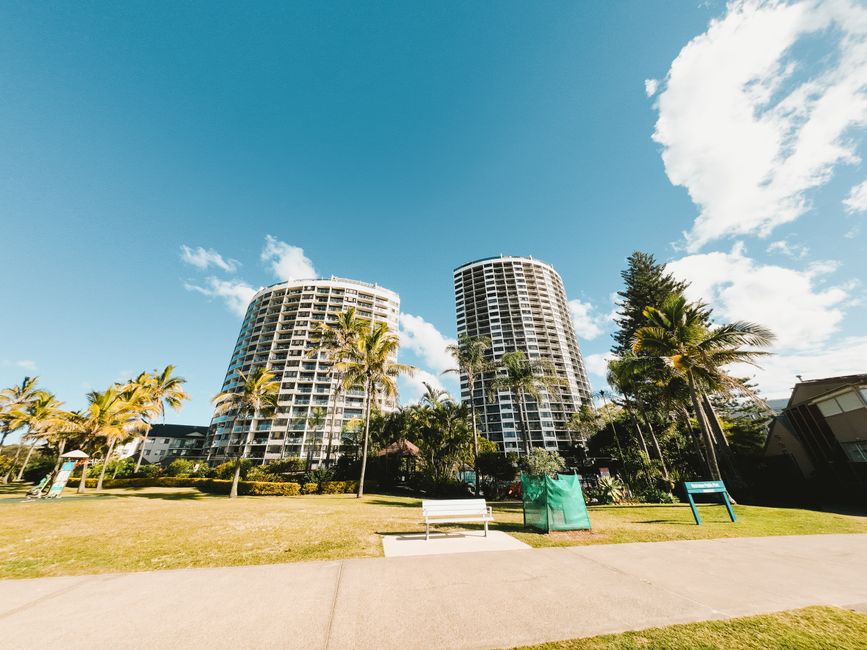
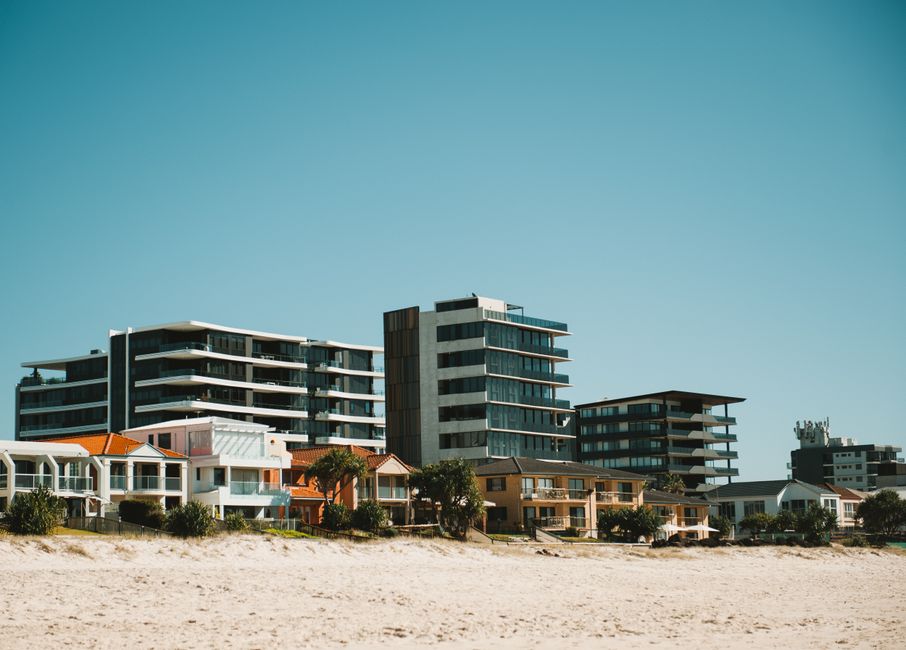
Property investors on the Gold Coast are enjoying their strongest rental yields in nearly a decade, with median gross returns now topping 5.2% across some of the city’s liveliest suburbs. The jump in investor returns comes as tourist arrivals swell once more and downsizer buyers snap up waterfront apartments, keeping vacancy rates below 1% from Surfers Paradise to Burleigh Heads.
Lifestyle Appeal Meets Investor Logic
The surge in yields is rippling through the market as the city’s property values have stabilised after last year’s steep escalation. Many local agents are reporting queues at rental open homes along the Esplanade in Burleigh and around Chevron Island, as demand outpaces new supply. For landlords, the equation is compelling: the average two-bedroom in central Surfers Paradise now commands $700 per week, up 12% since July 2023, according to SQM Research. Gross yields in Burleigh Heads and Broadbeach now hover between 4.5% and 5.5%, outstripping every mainland capital except Darwin.
This latest data lands at a time when the broader national market is wobbling, with Melbourne sellers ditching auctions and investor confidence wavering in Sydney’s inner west. But on the Gold Coast, rising net migration and a revival in short-stay bookings are keeping rents and yields high. Ray White Surfers Paradise reported its highest winter rental occupancy since 2016 this month. Tourism, after a long COVID-era lag, has also charged back, with local accommodation providers listing record mid-year bookings, boosting interest in Airbnb and holiday lending across Main Beach.
Crunching the Numbers: Where Investors Are Winning
Recent CoreLogic figures show a median Gold Coast dwelling price of $856,000 as of June 2026, a marginal 2% slide from the March peak. But rents have moved in the opposite direction. In Miami and Mermaid Beach, rental listings can expect as many as 40 inquiries within hours, according to local management firm First National Broadbeach. Apartment yields in these pockets are now returning $34,000 to $38,400 annually for sub-$800,000 units, not including short-term premium bookings.
Vacancy rates paint the same story: PropTrack data lists an average vacancy at just 0.7% citywide, and under 0.4% in Southport. It’s not just ocean-facing units that are in demand, either. New villa developments on Christine Avenue in Robina and townhouses near Pacific Fair have sold out pre-completion, luring investors with rental yields sitting at 5.1% and above.
Industry watchers pin much of this on the ongoing influx of downsizers making the move from Sydney and Melbourne, many opting for apartment living in established enclaves. The City of Gold Coast’s new short-term rental policy, due to take effect in September, is expected to further tighten supply in Surfers and Main Beach as some properties shift from the holiday to the long-term market, likely underpinning further rent rises into summer.
Next Steps for Investors and Locals
With the Gold Coast’s reputation as a lifestyle capital continuing to lure buyers and renters alike, experts caution that returns may remain strong at least through the end of this financial year. Local property managers recommend carefully reviewing suburb-by-suburb vacancy rates and gross yield statistics before making a new investment.
While popular suburbs like Burleigh Heads and Broadbeach are enjoying the largest uplift, adjacent neighbourhoods such as Varsity Lakes and Labrador, with slightly lower entry prices, are drawing in savvy buyers looking to maximize percentage returns.
The city council’s tightening of regulations around new apartment developments—from imposed setbacks in Palm Beach to stricter parking provisions in Southport—may slow new supply, but for existing landlords, it spells the likelihood of continued low vacancies and robust rental competition. For investors on the Gold Coast, the message from this year’s data is clear: yields are up, competition is fierce, and the lifestyle dividend remains as strong as ever.