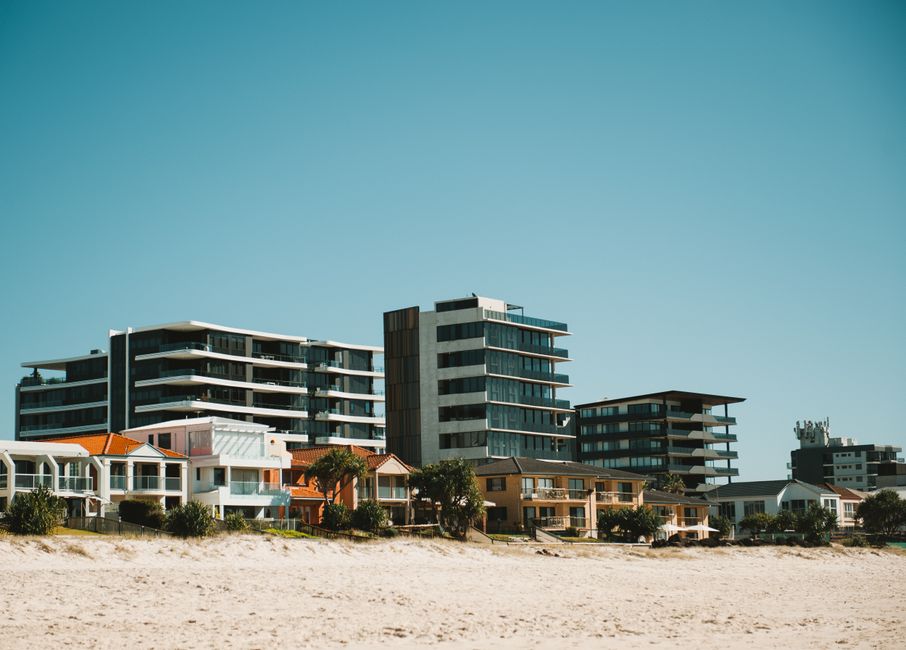
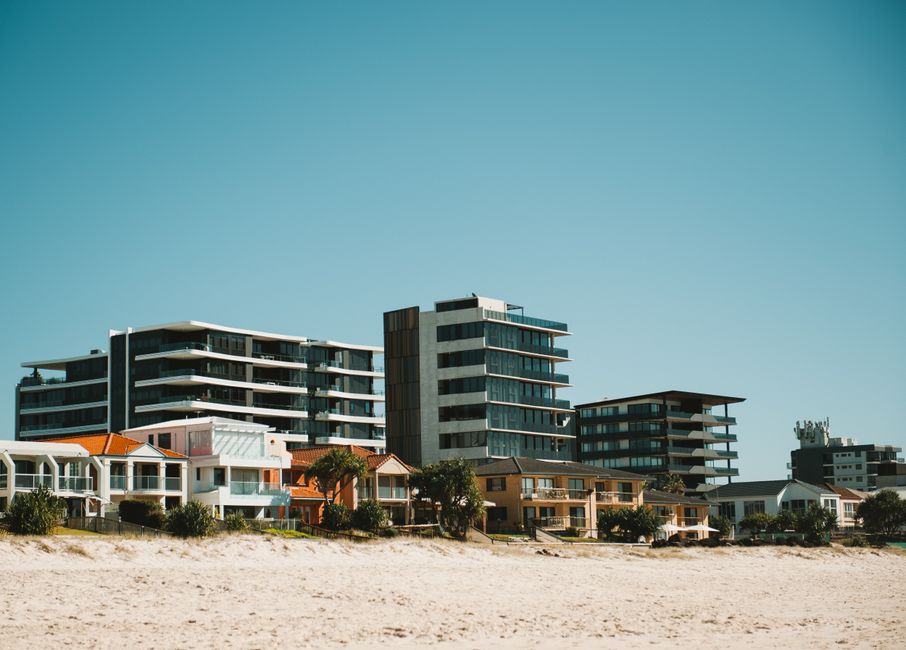
Mermaid Beach has broken from the pack. While the broader Gold Coast property market continues to tick along at a Queensland median of roughly $850,000, this tight 1.2-kilometre strip of beachfront suburb recorded a median house price of $2.14 million in the June 2026 quarter — a 14 percent lift on the same period last year, according to figures compiled by Herron Todd White's Gold Coast office.
The timing matters. Nationally, auction markets in southern capitals have been rattled by softer buyer confidence, with sellers in some Melbourne suburbs quietly abandoning the auction format altogether in favour of private treaty campaigns. On the Gold Coast, that hesitation is largely absent. The city's lifestyle premium, turbocharged by a post-pandemic migration wave that has never fully reversed, is keeping competition sharp — and Mermaid Beach is where that competition is most visible right now.
Why Mermaid Beach, and Why Now
The suburb's appeal is not accidental. Mermaid Beach sits south of the Pacific Fair shopping centre precinct and north of the Nobby Beach café strip on Jefferson Lane, giving residents walkable access to two of the coast's most reliable retail and dining corridors without the congestion of Surfers Paradise. Owner-occupier demand from downsizers has been strong since at least 2024, but investors are now moving in alongside them, drawn by gross rental yields sitting between 3.8 and 4.2 percent on premium properties — thin by national standards, but competitive for a beach address.
Ray White Surfers Paradise reported that three properties on Hedges Avenue — widely regarded as the Gold Coast's premier residential street — went under contract in June within seven days of listing, two of them without a formal auction campaign. The fastest sale settled at $3.35 million for a four-bedroom home on a 506-square-metre block. That is not an outlier. CoreLogic data shows the suburb's days-on-market dropped to 19 in June, down from 34 in June 2025.
Downsizer demand is a significant driver. The $2 million-plus segment is being fed by buyers liquidating larger homes in Brisbane's inner suburbs and on the Sunshine Coast, pocketing the capital gain and re-entering as cash or near-cash buyers on the coast. The First Home Owner Grant and the Queensland Housing Investment Growth Initiative, which extended land tax concessions on build-to-rent developments earlier this year, have done little to reshape this top end of the market — but they have freed up stock in surrounding suburbs like Mermaid Waters and Miami, which is pushing aspirational buyers one rung up the ladder toward Mermaid Beach itself.
The Broader Hotspot Picture
Mermaid Beach is not the only suburb attracting attention. Burleigh Heads recorded a median unit price of $1.02 million in the June quarter, its first time crossing seven figures for apartments, driven partly by the completion of new boutique blocks along the James Street and Goodwin Terrace corridors. Palm Beach, directly to the south, is seeing spillover from Burleigh, with house medians now at $1.78 million after a relatively quiet 2024.
Investors watching these numbers should move with clear eyes, though. The Gold Coast City Council's infrastructure charges for new residential development were revised upward in February 2026, adding pressure to construction costs that developers are passing on to buyers of off-the-plan product. That makes established dwellings in tightly held suburbs even more competitive relative to new builds — another structural reason why Mermaid Beach, where new supply is almost physically impossible given its boundaries, keeps attracting capital.
Buyers' agents operating on the coast are advising clients to treat anything within 400 metres of the beach between Broadbeach and Burleigh as a hold asset, not a flip. The logic is straightforward: land content is irreplaceable, rental vacancy across the Gold Coast sat at 0.9 percent in May 2026 according to the Real Estate Institute of Queensland, and the 2032 Brisbane Olympic Games infrastructure spend is still flowing through the region's economy. The window for buying ahead of that curve is narrowing fast.