Gold Coast Landlords Sell Properties as Rental Crisis Deepens
A wave of investor sales is shrinking the city’s rental pool to critical levels, as rising holding costs make it more profitable to sell than to lease.
A wave of investor sales is shrinking the city’s rental pool to critical levels, as rising holding costs make it more profitable to sell than to lease.
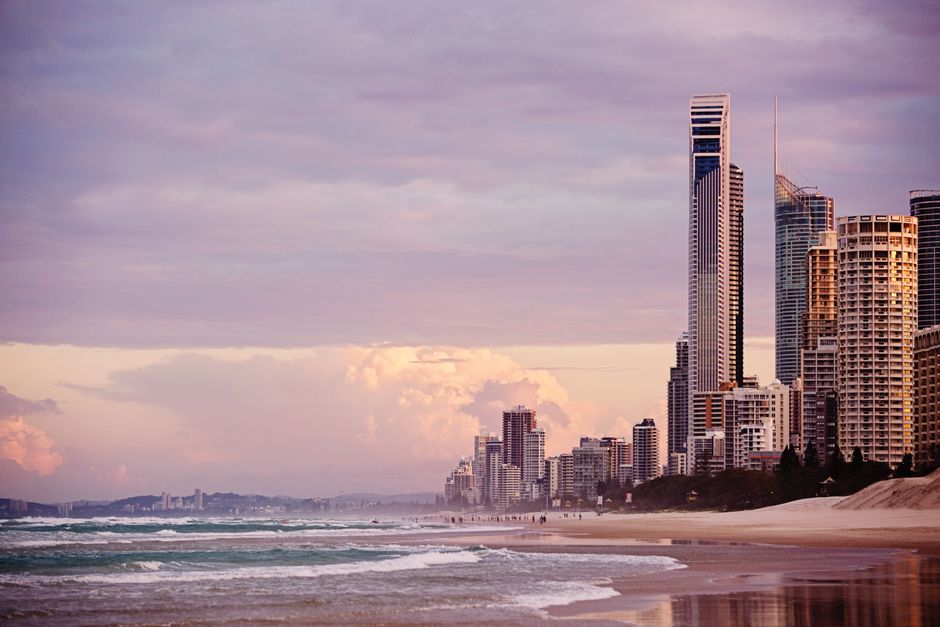
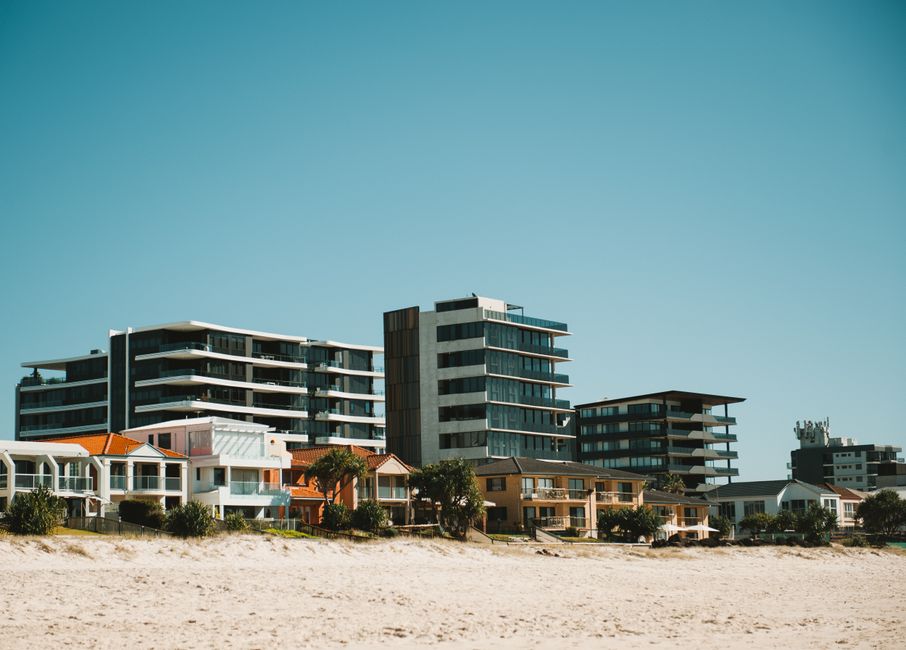
An increasing number of Gold Coast landlords are selling their investment properties, a calculated retreat from the market that is choking an already desperate rental scene. This quiet exodus, driven by a cocktail of soaring costs and peak property values, is directly removing homes from the long-term rental pool, leaving tenants facing the tightest market conditions in a generation.
The trend has accelerated dramatically in the first half of 2026. After more than a year of stubbornly high interest rates set by the Reserve Bank, many investors are finding their balance sheets stretched to the breaking point. Add to that skyrocketing body corporate fees, particularly in the ageing high-rises of Surfers Paradise and Southport, and eye-watering insurance premium hikes post-2024 storm season, and the decision becomes purely economic. For many, the capital gains to be made by selling to an owner-occupier now far outweigh the dwindling monthly returns from a rental.
The impact is being felt most acutely in high-density suburbs built on the investor model. Property managers in Robina and Varsity Lakes report receiving notices to vacate from owners at an unprecedented rate, often with little recourse for tenants who are then thrust into a brutal search for a new home. While council's Gold Coast Housing Action Plan 2025 continues its rollout, community support services like the Gold Coast Community Legal Centre are fielding a surge in calls from tenants distressed about end-of-lease notices and the bleak prospect of finding an affordable replacement.
The numbers paint a stark picture. Vacancy rates across the city, according to the latest figures from SQM Research, are hovering at a critically low 0.8%. This pressure has sent rents into the stratosphere. The median asking rent for a standard two-bedroom apartment in Burleigh Heads has now climbed to $870 per week, a sharp increase from the $750 seen this time last year. Data from CoreLogic confirms the sell-off, showing a 14% year-on-year increase in the number of properties previously listed for rent being put on the sales market in the June quarter.
Real estate agents confirm that many of those selling are not large-scale corporate investors, but private individuals who bought a single apartment or townhouse a decade ago. An agent with a leading firm in Broadbeach noted a pattern of owners who bought off-the-plan in towers along the Gold Coast Highway around 2015 now deciding to cash in their chips. For them, successive state land tax increases combined with mortgage repayments that have doubled since 2023 have erased any meaningful rental yield.
This market shift leaves tenants in an incredibly vulnerable position. It’s now standard to see queues of 30 or more people snaking down the street for a single rental viewing in suburbs like Mermaid Waters or Miami. Prospective tenants are coming armed with pre-filled applications and character references, with some resorting to offering three or even six months' rent in advance to secure a property, despite government efforts to curb the practice.
The ripple effect is redrawing the city's social geography. Families and essential workers who once lived centrally are being priced out, forced to move further north to Coomera or west into hinterland suburbs like Mudgeeraba. This not only increases their commute times and transport costs but also disconnects them from established support networks and school communities. Advocacy group Tenants Queensland has been vocal about the need for urgent government intervention to boost rental supply, arguing that the current crisis is unsustainable.
Looking ahead, there is no simple fix. While Queensland’s rental law reforms, which came into full effect in late 2025, offer tenants more security during a lease, they do little to address the fundamental lack of available housing. Until significant new rental stock is brought online – potentially through large-scale Build-to-Rent developments, a model gaining traction in southern capitals – the cycle is set to continue. As long as market conditions make selling more attractive than leasing, Gold Coast renters will be the ones paying the price.
Spread the word
About this article
Published by The Daily Gold Coast
Daily brief
Free, in your inbox before 7am. Weekdays.
More from Gold Coast