Gold Coast Residential Development: Community vs Growth
Tallebudgera Valley's $180M project divides Gold Coast residents. Explore infrastructure concerns, approval processes, and how communities shape new developments across the region.
Tallebudgera Valley's $180M project divides Gold Coast residents. Explore infrastructure concerns, approval processes, and how communities shape new developments across the region.
Listen to this article · 3:52
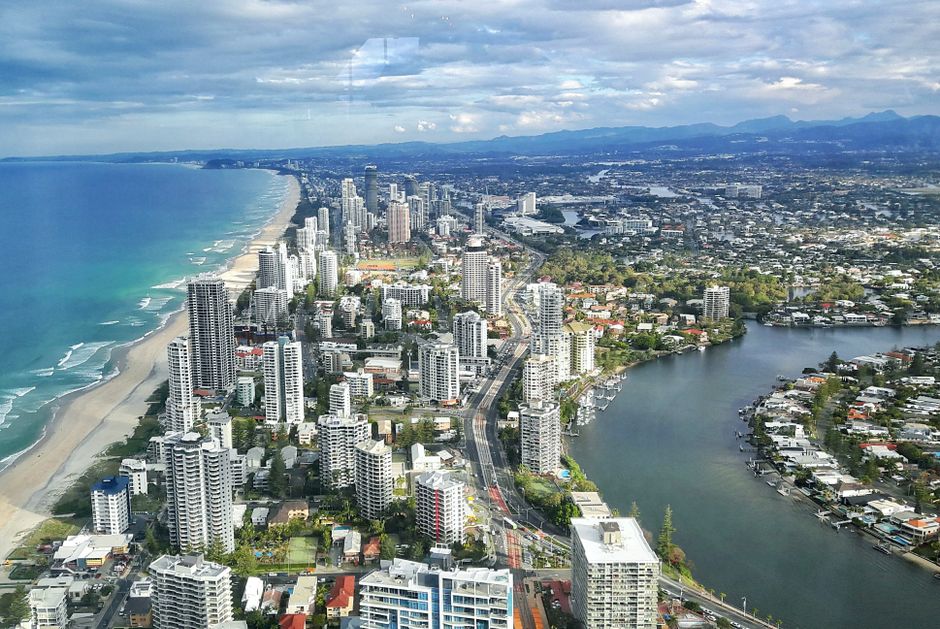
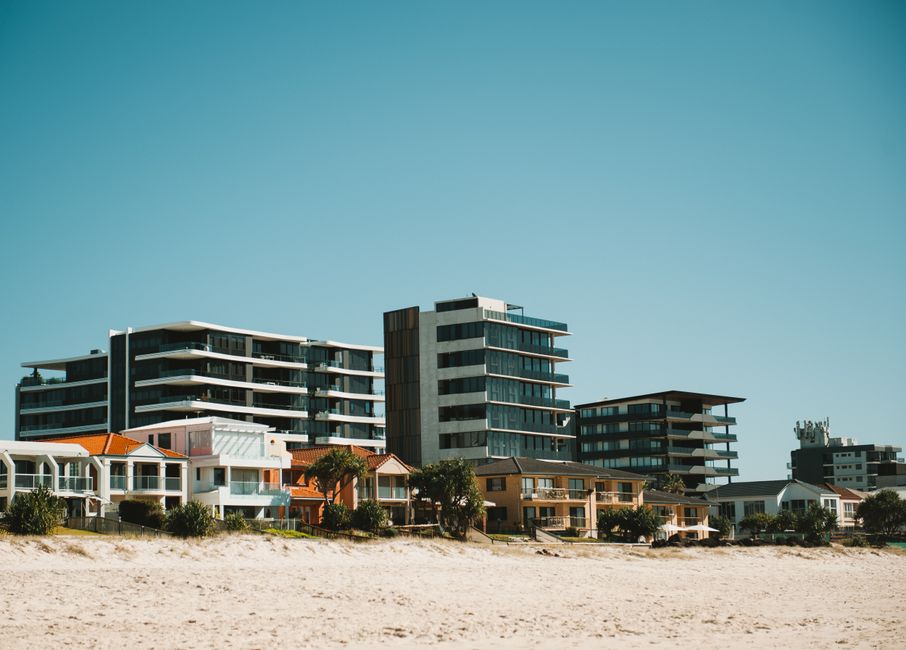
The Tallebudgera Valley precinct has become ground zero for Gold Coast's most heated planning debate in 2026. A proposed $180 million mixed-use development featuring 340 apartments, retail, and a boutique hotel has triggered fierce community opposition—yet the developer's case for approval is equally compelling. This tension mirrors conflicts playing out across Southport, Ashmore, and Nerang, revealing a deeper divide about what the Gold Coast should become.
The case against: Community groups argue that major developments strain local infrastructure beyond capacity. Traffic on the Tallebudgera Valley Road already peaks at near-gridlock during school hours and summer holidays. Local schools—already operating near full capacity—cannot absorb an influx of families. Drainage systems serving the nearby Boomerang Reserve are aging. Residents also cite cultural loss: the valley's semi-rural character and bushland connectivity would be permanently altered. "We bought here for the lifestyle, not to live in another Broadbeach," one concerned property owner told council. With median property values in the valley hovering around $920,000, many worry the development will bring higher density without delivering proportionate community benefit.
The case for: Developers and planning advocates counter that housing supply remains critical. Queensland's median is $850,000, and Gold Coast's shortage of apartments between $600,000–$900,000 is pricing out young professionals and downsizers. Infrastructure planning, they argue, requires development—without revenue from new projects, councils lack funds to upgrade roads and services. The Tallebudgera proposal includes $2.8 million in community contributions and public realm improvements. Planners note that well-designed density near established suburbs supports local retail, reduces urban sprawl into pristine hinterland, and creates walkable neighbourhoods. The developer has committed to an upgraded traffic light system at the valley's main intersection and a new pedestrian bridge to Boomerang Reserve.
Gold Coast City Council remains diplomatically neutral through the assessment phase, but the pattern is clear: population growth and lifestyle protection are no longer compatible goals. Both communities and developers are correct about their concerns. The region needs housing diversity to remain competitive for migrants and young families. Yet its appeal—those tree-lined streets, proximity to nature, manageable congestion—is precisely what people pay premium prices to access.
The question isn't whether development should happen. It's whether planning frameworks can deliver growth without destroying the conditions that make growth desirable. Until councils and communities find that middle ground, expect more Tallebudgera Valley standoffs.
This article was compiled by AI from the sources linked above and screened before publishing. See our editorial standards.
Spread the word
About this article
Published by The Daily Gold Coast
Daily brief
Free, in your inbox before 7am. Weekdays.
More from Gold Coast