Gold Coast Rental Vacancy Hits 1%: Renters Battle for Keys
Severe shortage forces prospective tenants into bidding wars, raising questions about renting versus buying on the Gold Coast.
Severe shortage forces prospective tenants into bidding wars, raising questions about renting versus buying on the Gold Coast.
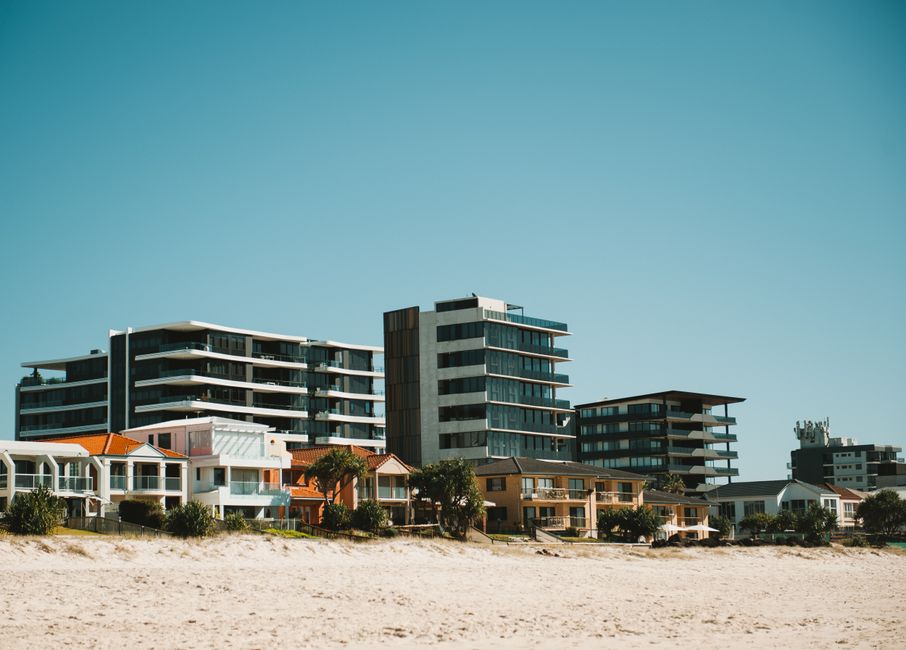
Walk down the beachfront promenade at Broadbeach on any given week and you'll see something curious: apartment buildings that look fully occupied, yet landlords struggling to fill vacancies. It's a paradox that tells a deeper story about the Gold Coast rental market in 2026.
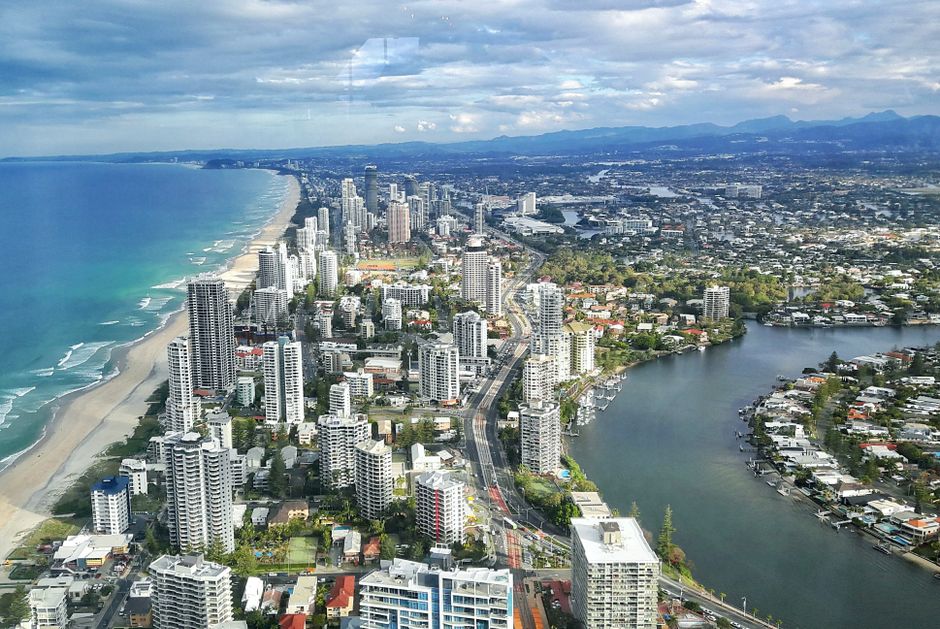
Vacancy rates on the Gold Coast have tightened to around 0.8–1%, well below the 3% threshold considered healthy for renters. That means when a three-bedroom villa hits the market in Burleigh Heads or a modern apartment becomes available near Tallebudgera Valley, competition erupts instantly. Prospective tenants are now submitting applications within hours, often offering above-asking rent or waiving inspection conditions—tactics once reserved for property buyers.
The crunch stems from a perfect storm. Tourism recovery post-pandemic boosted short-term holiday rentals, pulling stock from the long-term market. Simultaneously, Queensland's median property price sits around $850,000, pushing first-time buyers into extended rental periods. Add new migration to the Coast—drawn by lifestyle, proximity to Brisbane, and the rebrand of suburbs like Surfers Paradise—and demand has simply outpaced supply.
For renters, the math is brutal. A modest two-bedroom apartment in Southport now rents for $450–$520 per week, while comparable stock in established suburbs like Ashmore or Broadbeach commands $550–$650. Annual rent on a $500-per-week place exceeds $26,000. Over five years, that's $130,000 with zero equity. A buyer in the same suburb, financing a $650,000 property at current rates, might service a $3,300 monthly mortgage—comparable to rent, but building ownership.
Yet the renter-versus-buyer debate isn't black-and-white. Buyers face stamp duty (around $32,500 on a $650,000 purchase in Queensland), ongoing council rates, body corporate fees in high-rises, and maintenance costs. Renters, by contrast, enjoy flexibility: they can relocate to Currumbin or the hinterland without being tethered to a mortgage.
What's clear is that rental competition has fundamentally shifted power dynamics. Landlords and agents now cherry-pick tenants, favouring stable employment, higher deposits, and references. First-time renters and those with patchy work histories struggle most.
For prospective Gold Coast residents deciding whether to commit to buying, tight vacancy rates should factor into the equation. A severe rental shortage today suggests sustained demand—and potentially stronger property appreciation. Conversely, for those already renting, the urgency to secure housing before rates shift again has never been higher.
This article was compiled by AI from the sources linked above and screened before publishing. See our editorial standards.
Spread the word
About this article
Published by The Daily Gold Coast
Daily brief
Free, in your inbox before 7am. Weekdays.
More from Gold Coast