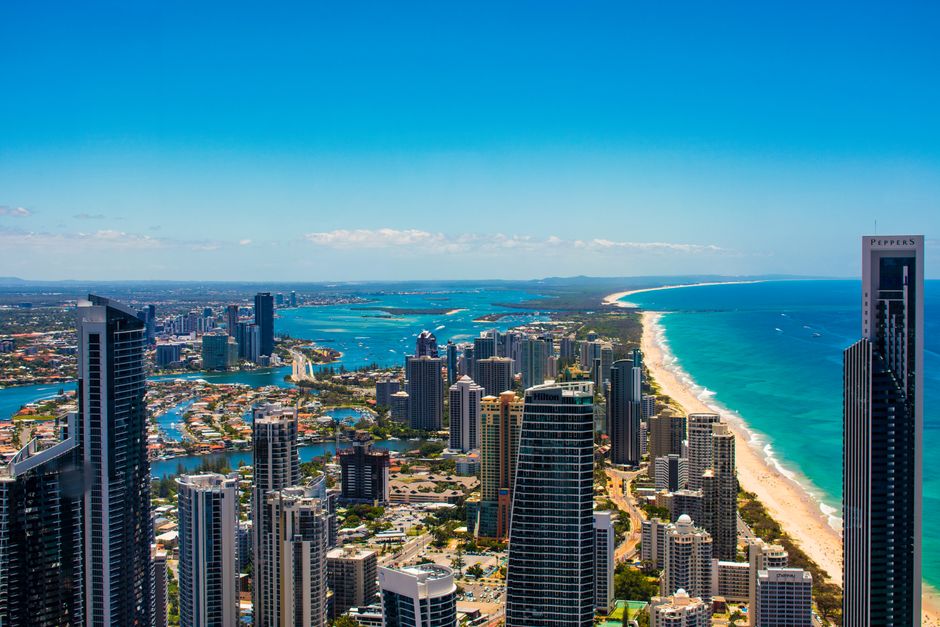
Moving to the Gold Coast: The cost, access, and everything you need to know before going
With interstate migration hitting record levels, we break down what it actually takes to set up shop in Australia’s fastest-growing coastal hub.
With interstate migration hitting record levels, we break down what it actually takes to set up shop in Australia’s fastest-growing coastal hub.

New arrivals to the Gold Coast are finding that a slice of the sun-drenched life comes with a tightening price tag. As of July 2026, the city’s vacancy rate is hovering at a razor-thin 0.9%, making the hunt for a rental in popular hubs like Burleigh Heads and Palm Beach an exercise in endurance rather than leisure.
The median house price across the Gold Coast reached $1.15 million this quarter, a figure that reflects the ongoing pressure from both southern expats and overseas investors. For those looking to rent, expect to part with at least $850 per week for a standard three-bedroom property in central precincts like Broadbeach or Mermaid Beach. Local property managers at LJ Hooker and Ray White indicate that open inspections are now routinely drawing over 40 applications per listing, often before the property even hits the digital portals.
Relocating here requires more than just a moving truck. The Gold Coast City Council’s latest infrastructure levy means that new residents are paying a premium for proximity to the G:link light rail extension. Accessing the city’s social fabric often hinges on your ability to secure a spot in a school catchment area early; enrollment at high-demand institutions like Varsity College can be subject to strict residency proof, often requiring a signed lease or property settlement documents months in advance.
Getting around is no longer just about owning a car. The expansion of the light rail toward the airport at Coolangatta has fundamentally changed how residents view the commute from the southern end of the city. While this has improved connectivity, it has also inflated commercial rents in surrounding corridors. If you are planning a move, target the suburbs serviced by the current transit network, such as Southport or Main Beach, where the reliance on vehicle ownership is lower and the access to city-wide amenities is significantly higher.
Before you commit to a long-distance move, ensure your employment contract accounts for the local cost of living adjustments. Industry data from the Gold Coast Chamber of Commerce shows that while the hospitality and tourism sectors are booming, salary growth has not kept pace with the 12% rise in energy and grocery costs seen over the last year. If you are moving for a change of pace, be prepared to treat your arrival like a competitive project. Keep your financial references ready, maintain a local bank account with a major institution like the Commonwealth Bank, and ensure you have a temporary dwelling arranged for at least 21 days before signing a long-term lease. The beach lifestyle is still here, but access now demands a strategic approach to both your budget and your location.
Spread the word
About this article
Published by The Daily Gold Coast
Daily brief
Free, in your inbox before 7am. Weekdays.
More from Gold Coast